Vintage Shell Cameo Screw-Back Earrings – Hand-Carved Portrait, Gold Bezel Setting, Original Ottawa Jeweler Box, Circa 1950s
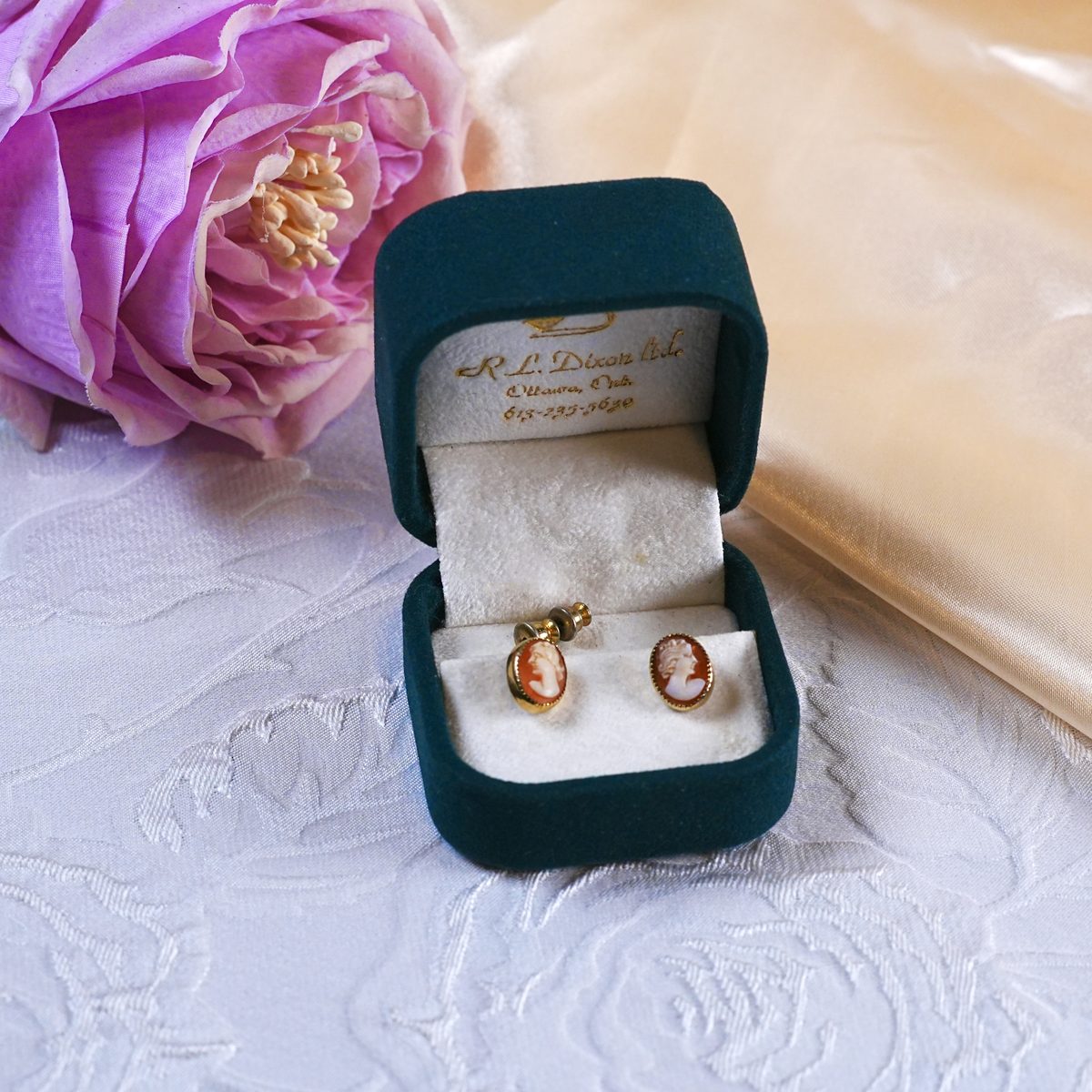
AvailableA pair of perfectly petite cameos, still resting in the teal velvet box from the Ottawa jeweler who first sold them. There is something quietly romantic about vintage earrings that arrive with their original case — it speaks to a piece that was treasured, not tossed in a drawer.
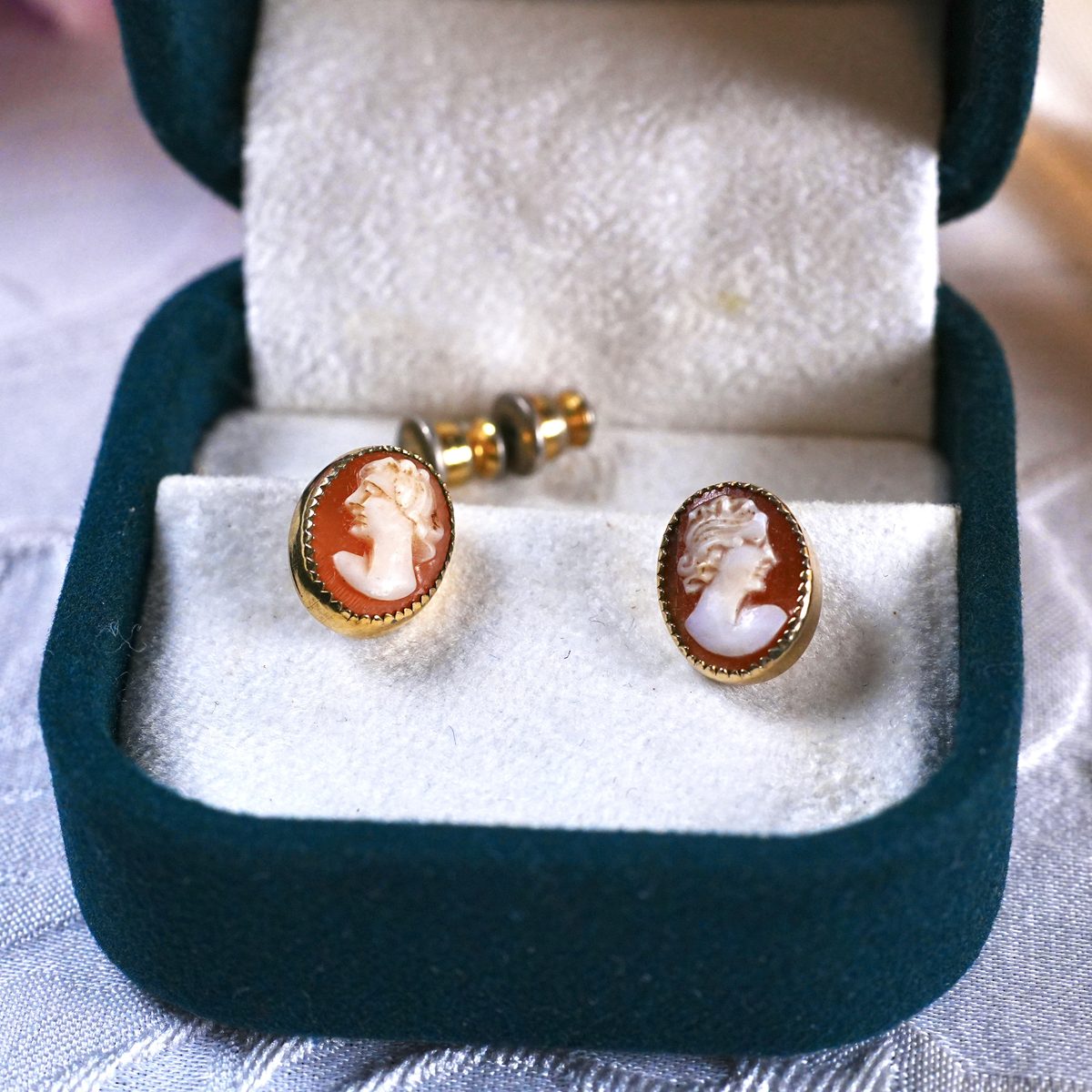
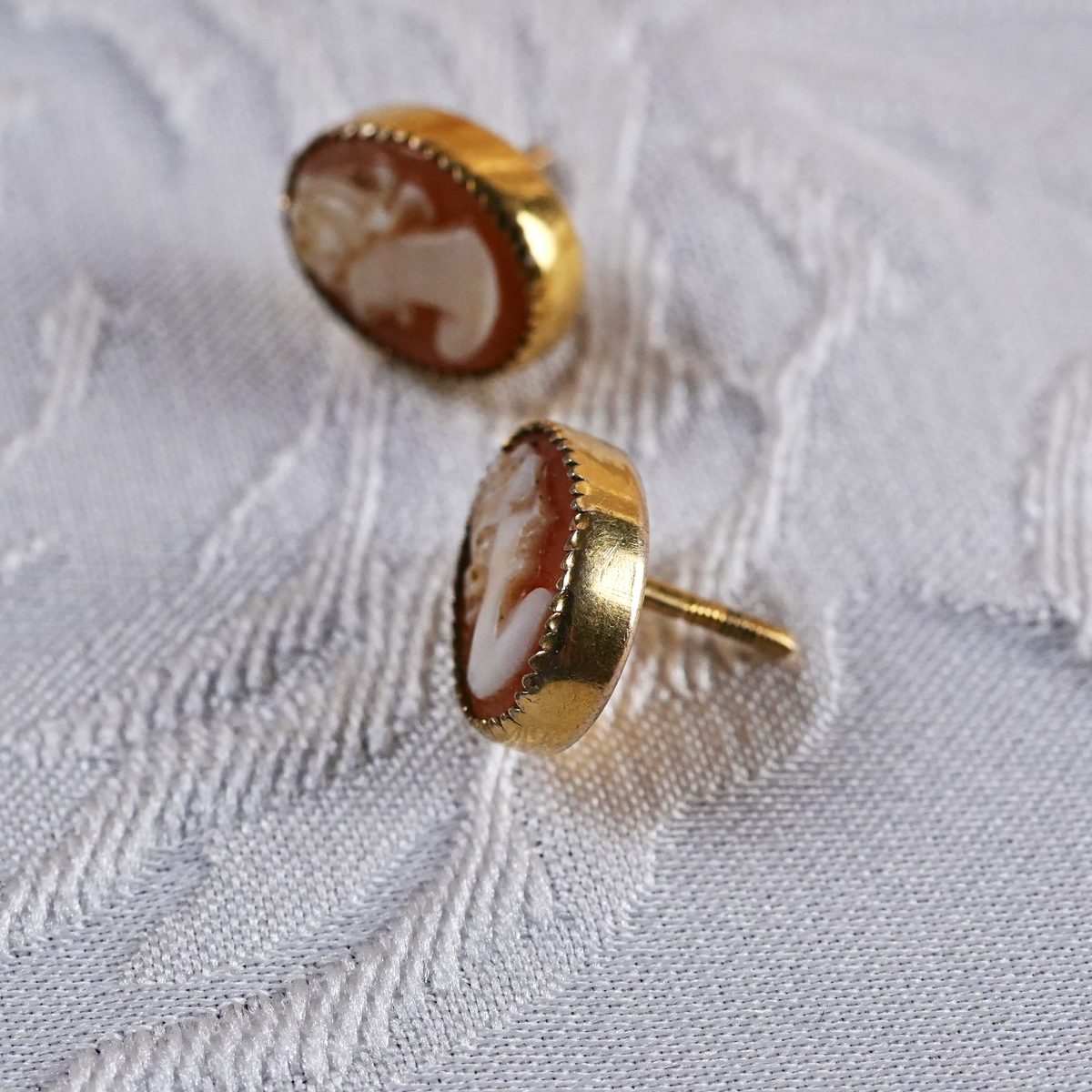
Each earring features a hand-carved shell cameo in the classic left-facing female portrait — the timeless silhouette that has defined cameo artistry since the Georgian era. The carving is crisp and detailed: softly waved hair, a refined classical profile, and a graceful neckline, all rendered in creamy white relief against a warm cornelian shell ground. Set in gold-tone bezels with a delicate rope-twist border, these are the kind of earrings that elevate a white linen blouse or a black dress with equal ease.
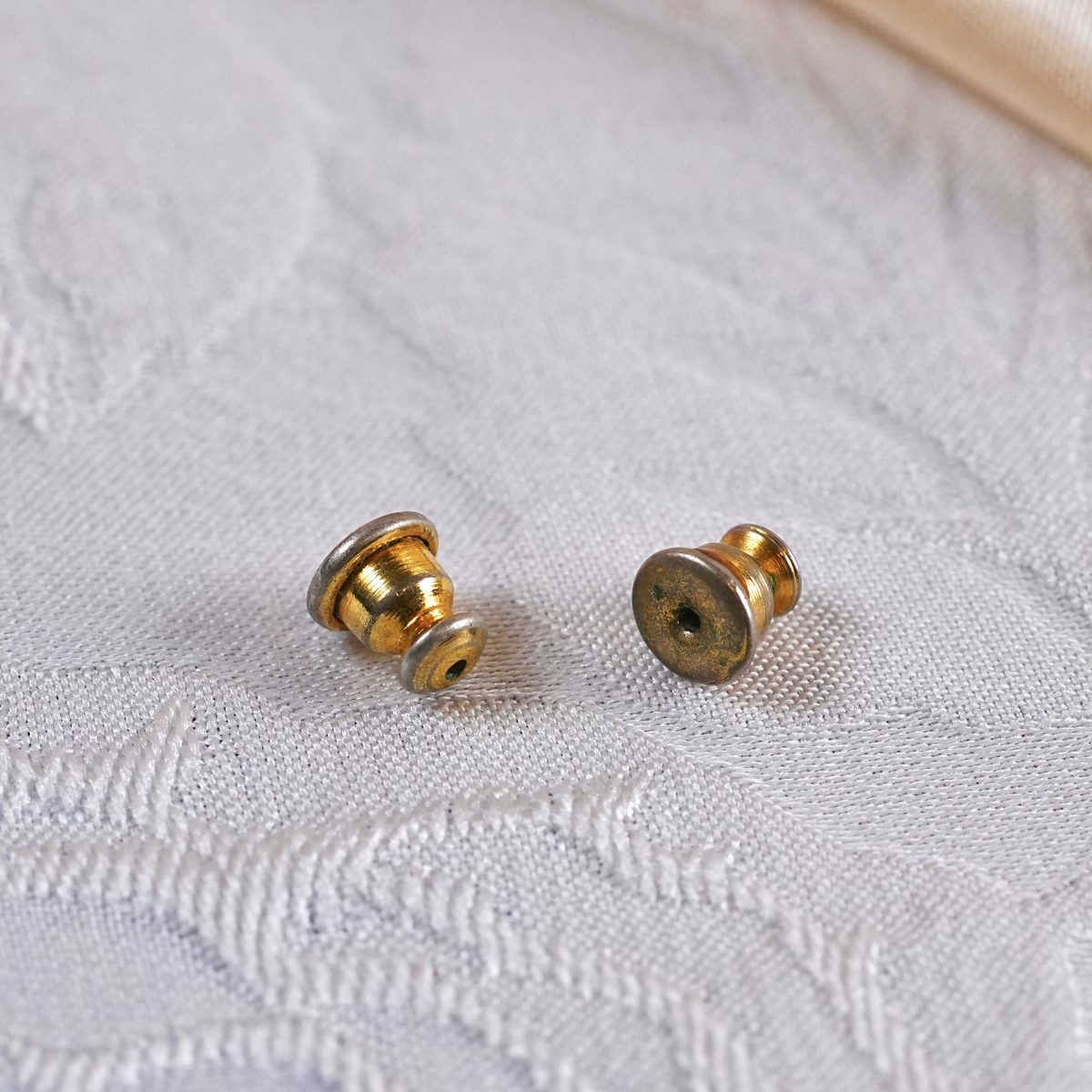
The screw-back mechanism — popular from the 1940s through the early 1960s — offers a secure, adjustable fit without piercing, making them wearable for pierced and non-pierced ears alike. The original R.L. Dicaire Ltd. jeweler's box from Ottawa, Ontario adds provenance and a touch of local Canadian history to the set. At just under 1 cm across, they are understated enough for everyday wear yet unmistakably vintage in their craftsmanship.
Details
- Type
- Screw-Back Stud Earrings (Pair)
- Material
- Hand-carved shell cameo in gold-tone bezel
- Origin
- Retailed in Ottawa, Ontario, Canada (R.L. Dicaire Ltd.)
- Era
- Circa 1950s
- Design
- Classical female portrait cameo, left-facing profile
- Size
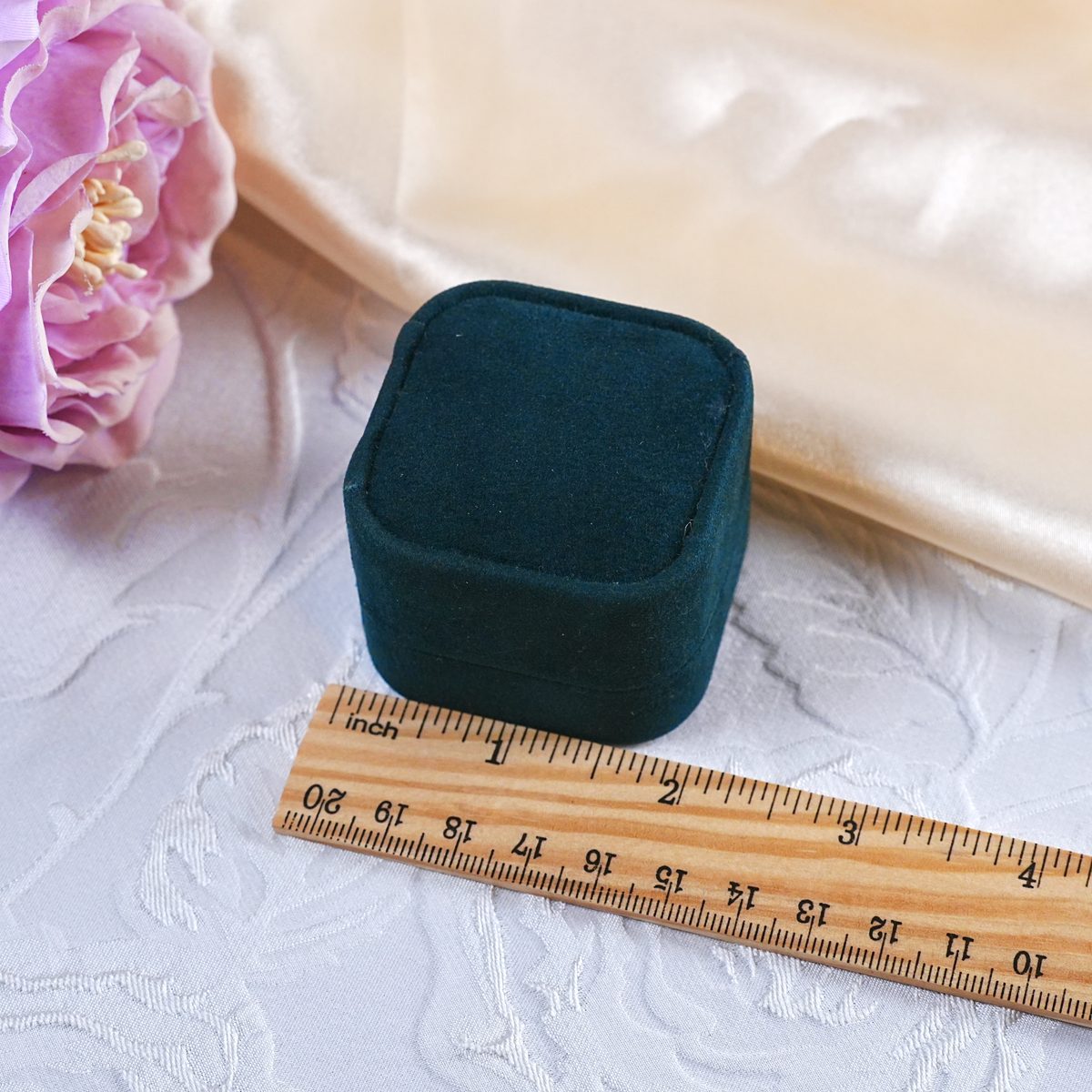
- Approx. 1 cm × 0.8 cm each
- Closure
- Screw-back (suits pierced and non-pierced ears)
- Extras
- Original teal velvet jeweler's box with gold-stamped retailer name
Backstamp & Pattern
- Era
- Circa 1950s
The base carries the maker's printed mark; the wording — especially “England” versus “Made in England” versus “Bone China” — together with any pattern or registration number are the main clues to its age.
Read the full backstamp & pattern guide →More in Curiosities & Keepsakes
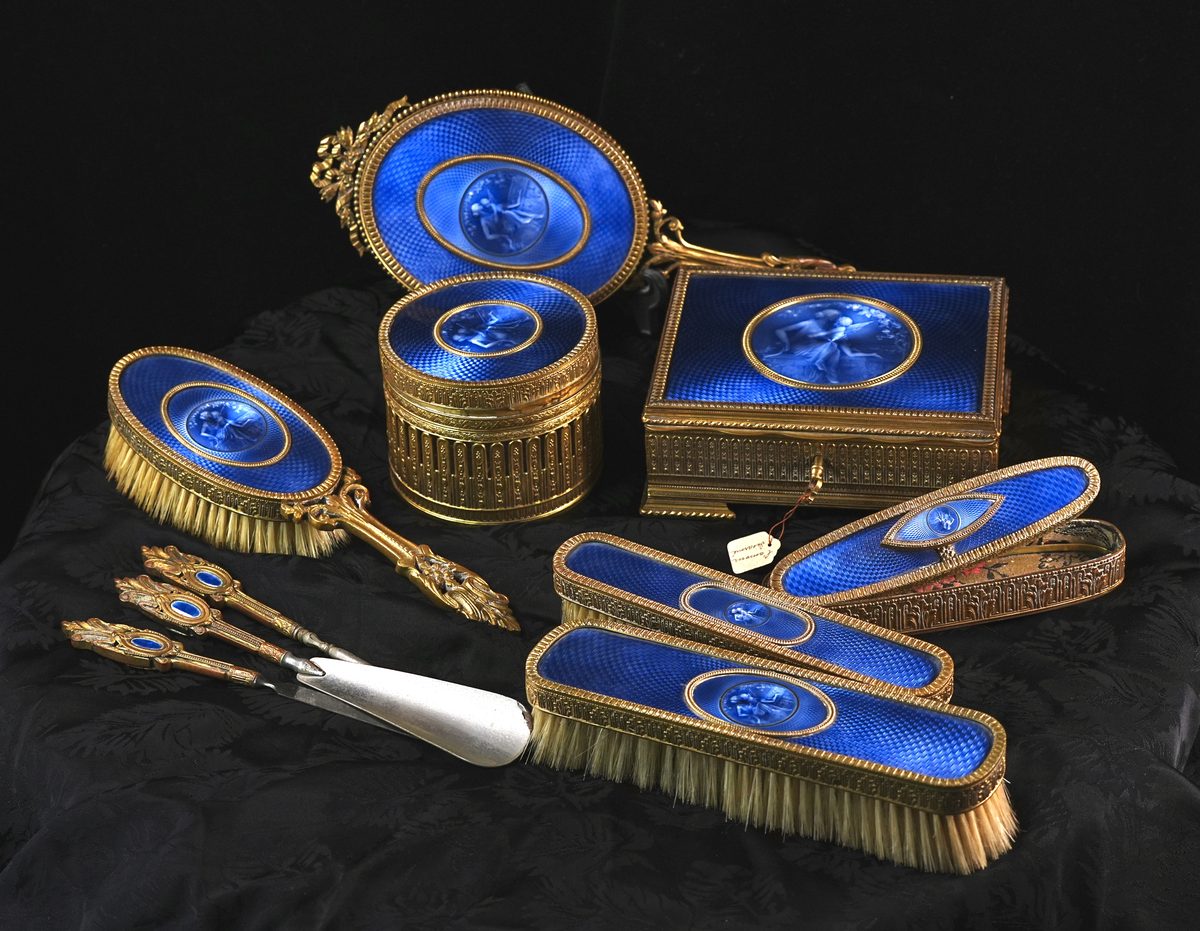
Antique French Guilloche Enamel Vanity Set
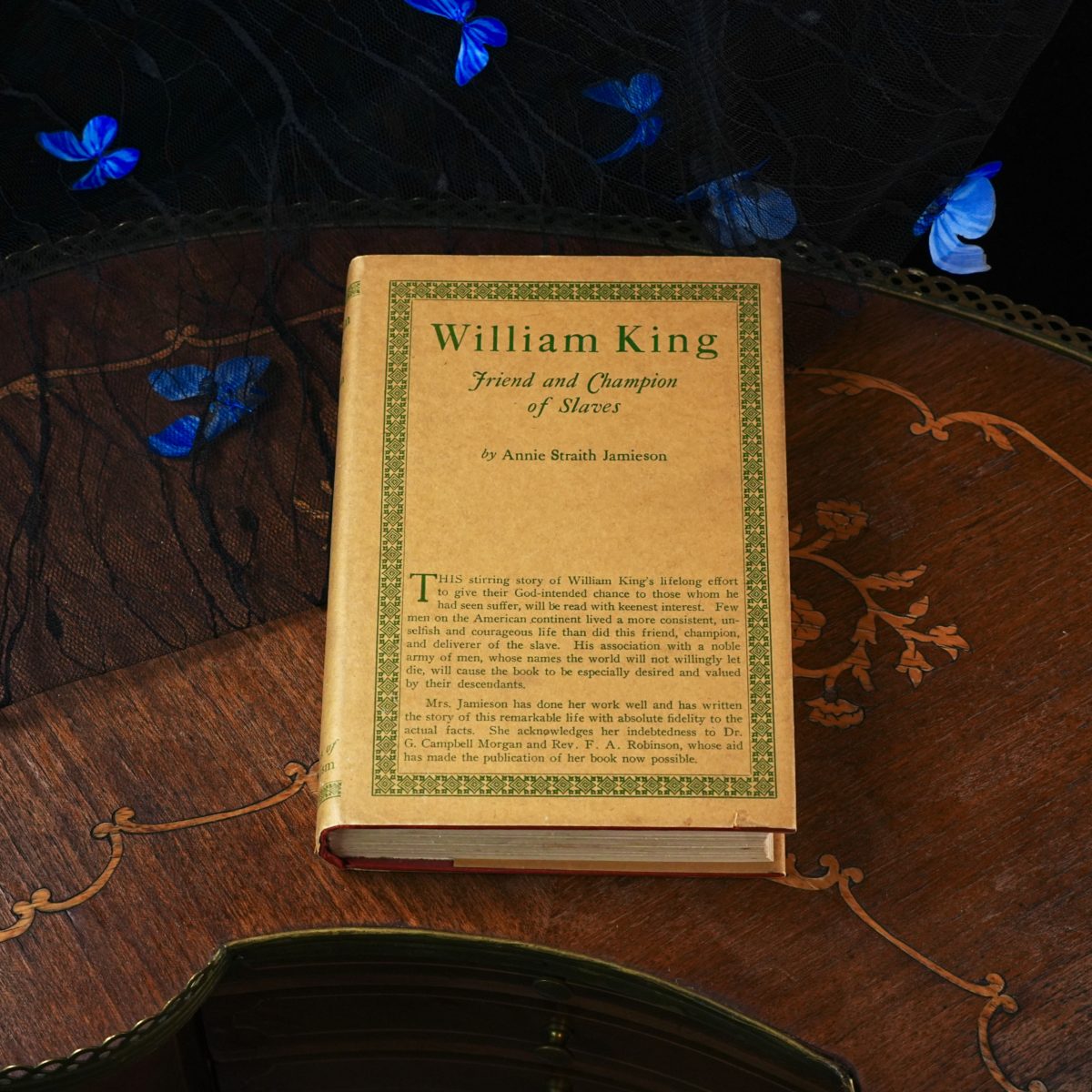
中文物件研究报告|Annie Straith Jamieson《William King: Friend and Champion of Slaves》(Missions of Evangelism, Toronto|Copyright Canada 1925|原版书衣尚在|加拿大黑人史第一手传记)
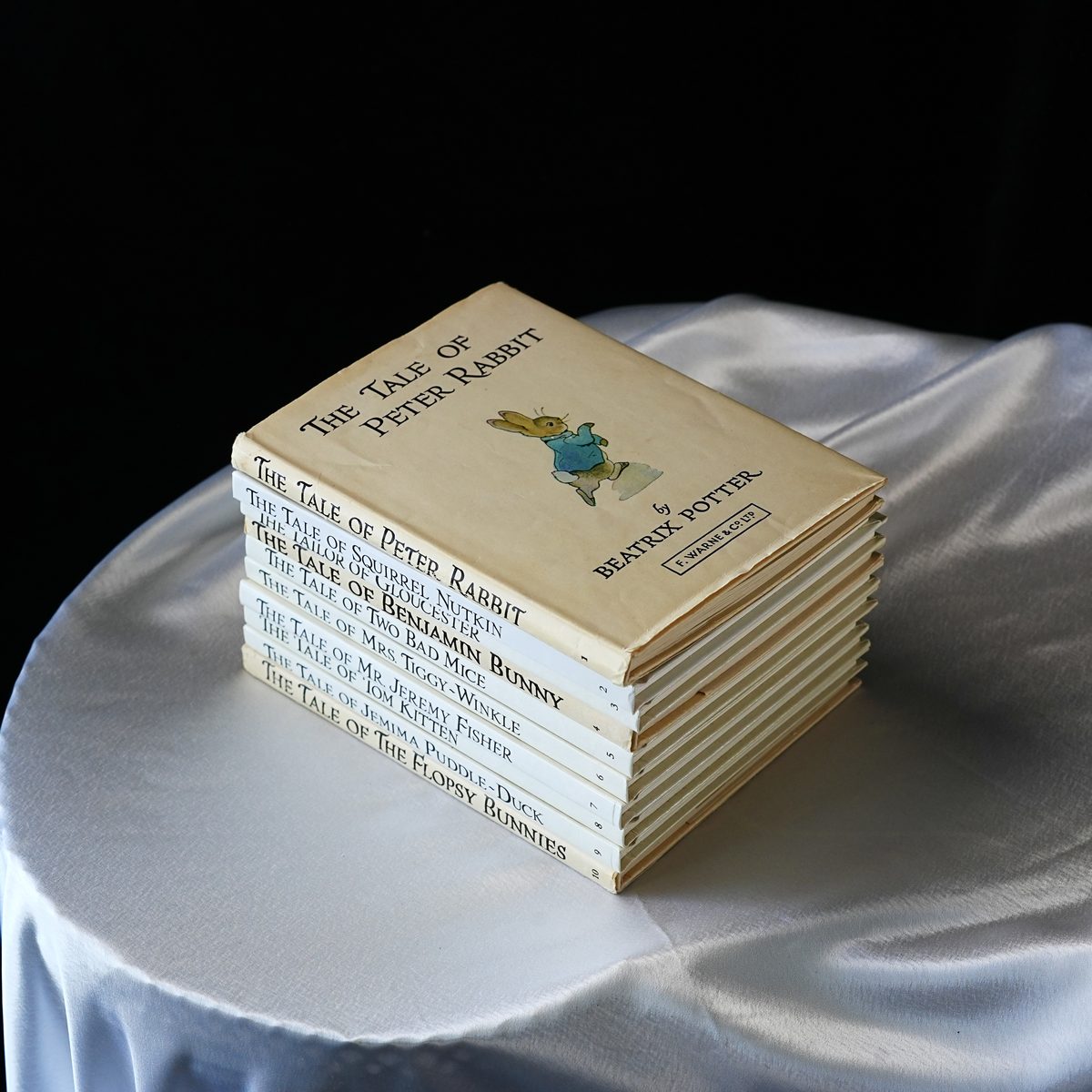
Vintage Beatrix Potter Set of 10 Books