Commemorative china is history you can hold: each piece names its own occasion, and often its own date. That makes this the best-documented corner of English pottery — and a dated backbone for collectors, because a jubilee mug pins its year exactly. What follows is the tradition in order, from Queen Victoria’s Golden Jubilee to the reign of Elizabeth II, every era illustrated from our own collection. Pieces already sold remain here as a record.
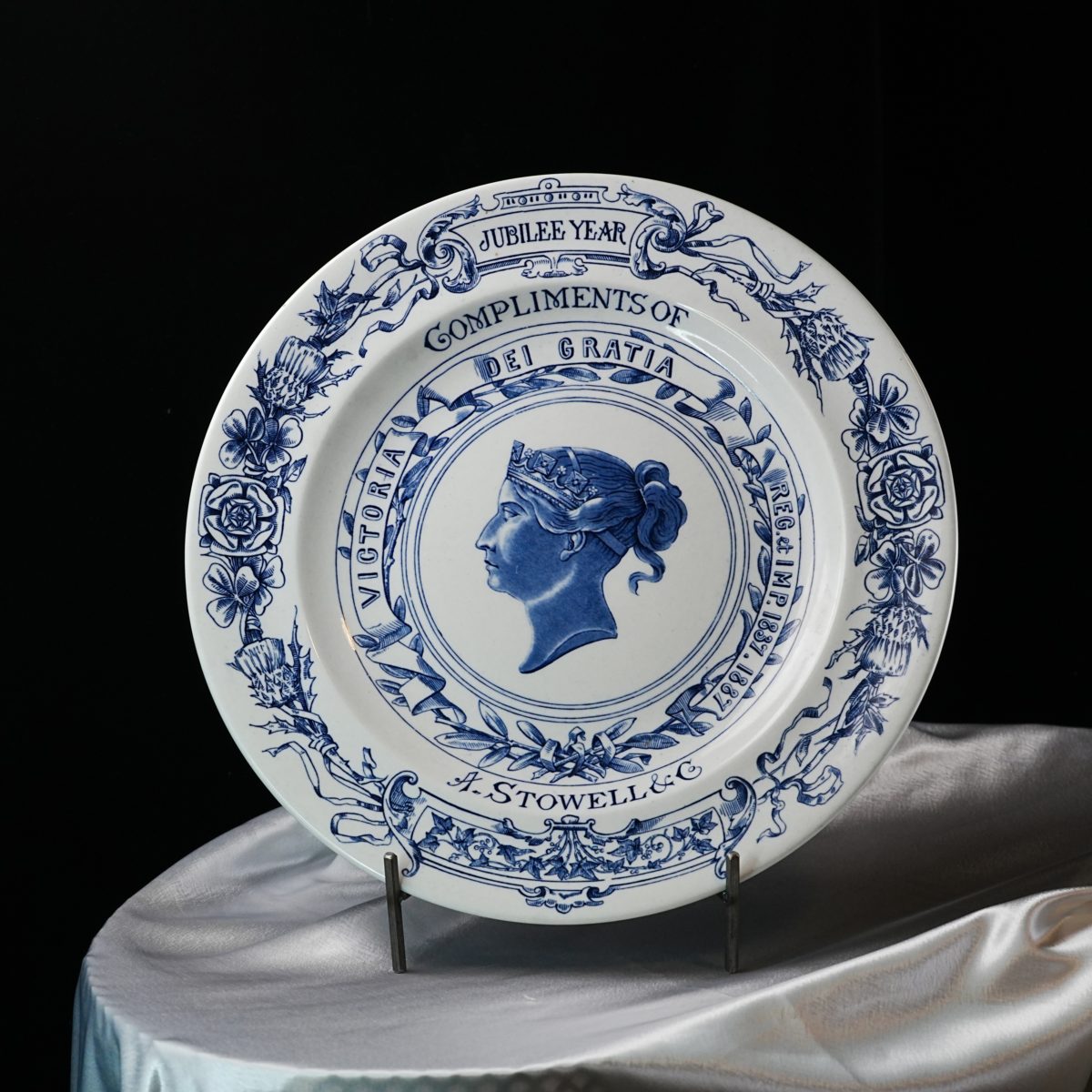
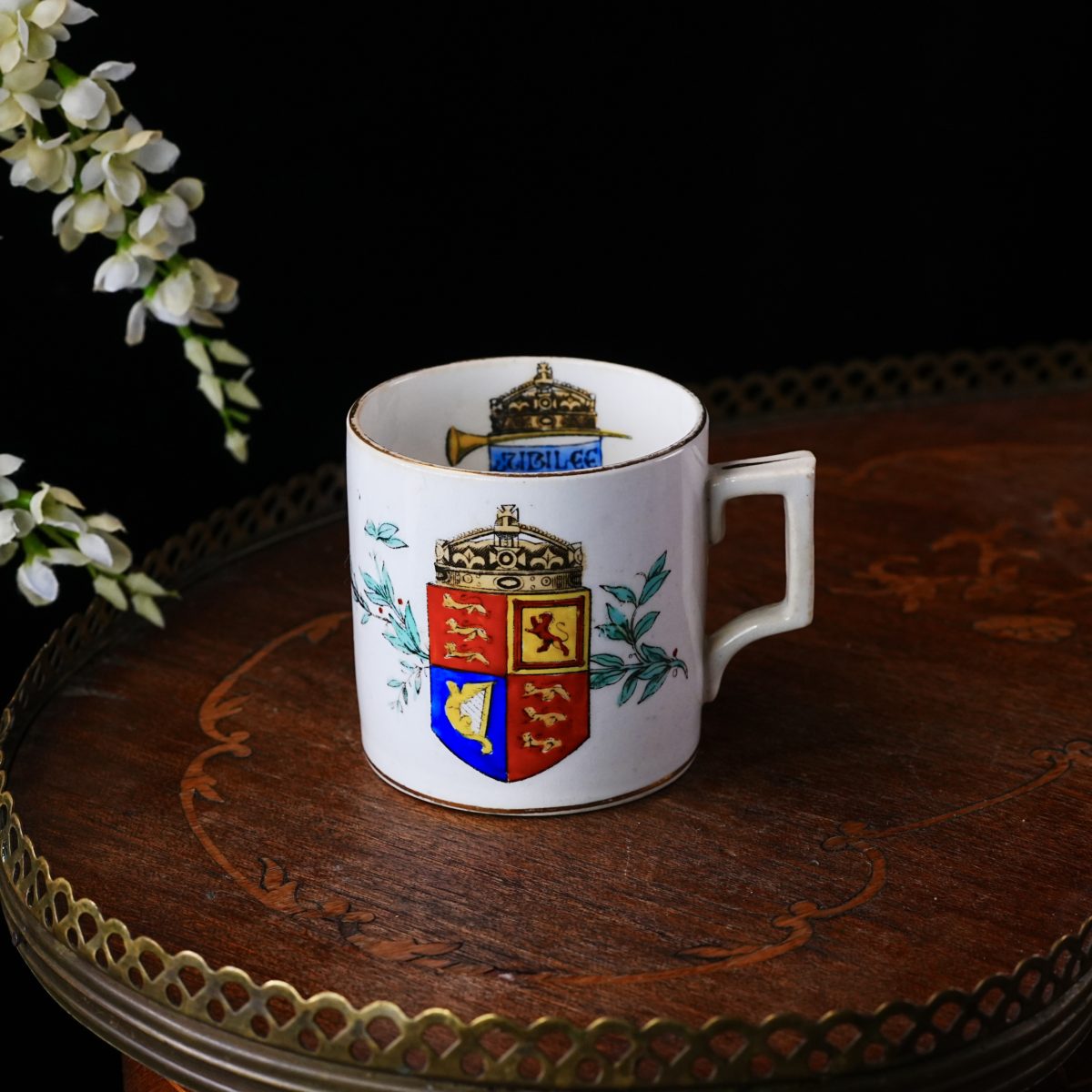
Victoria's Golden Jubilee
Fifty years on the throne, celebrated in June 1887 — the moment commemorative china became a truly popular art. Potteries across Staffordshire and beyond issued portrait wares for street parties and schoolrooms, and the habit never stopped.
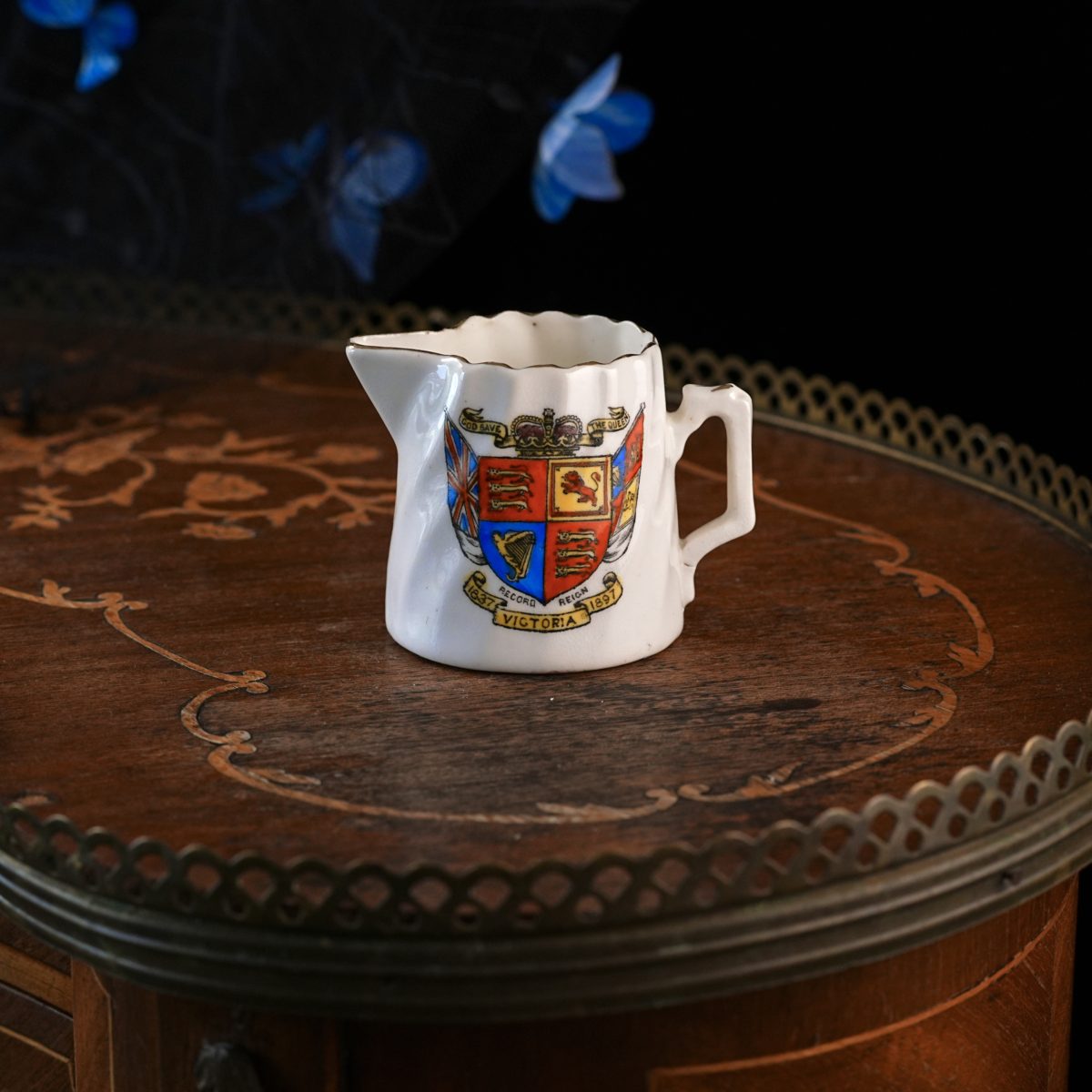
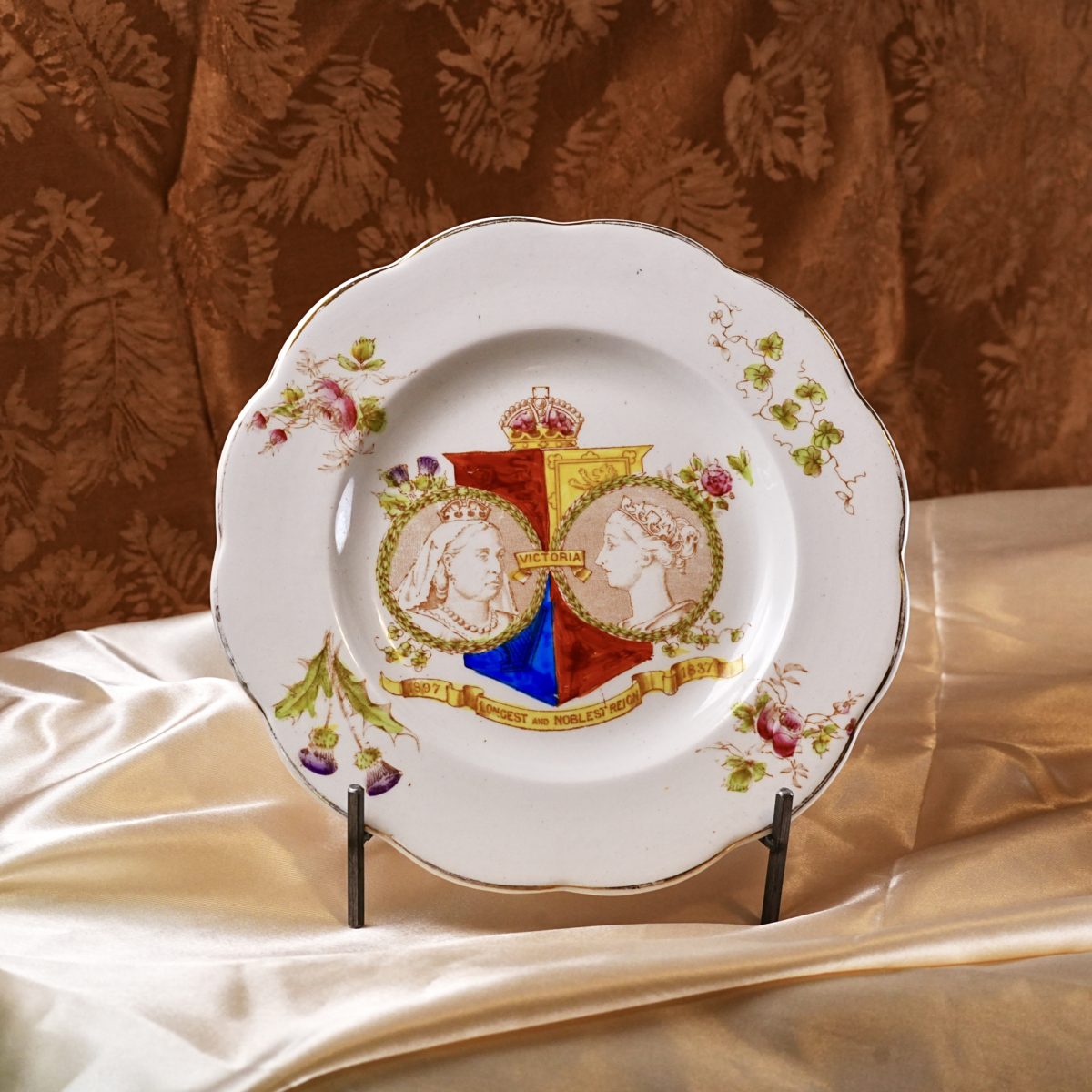
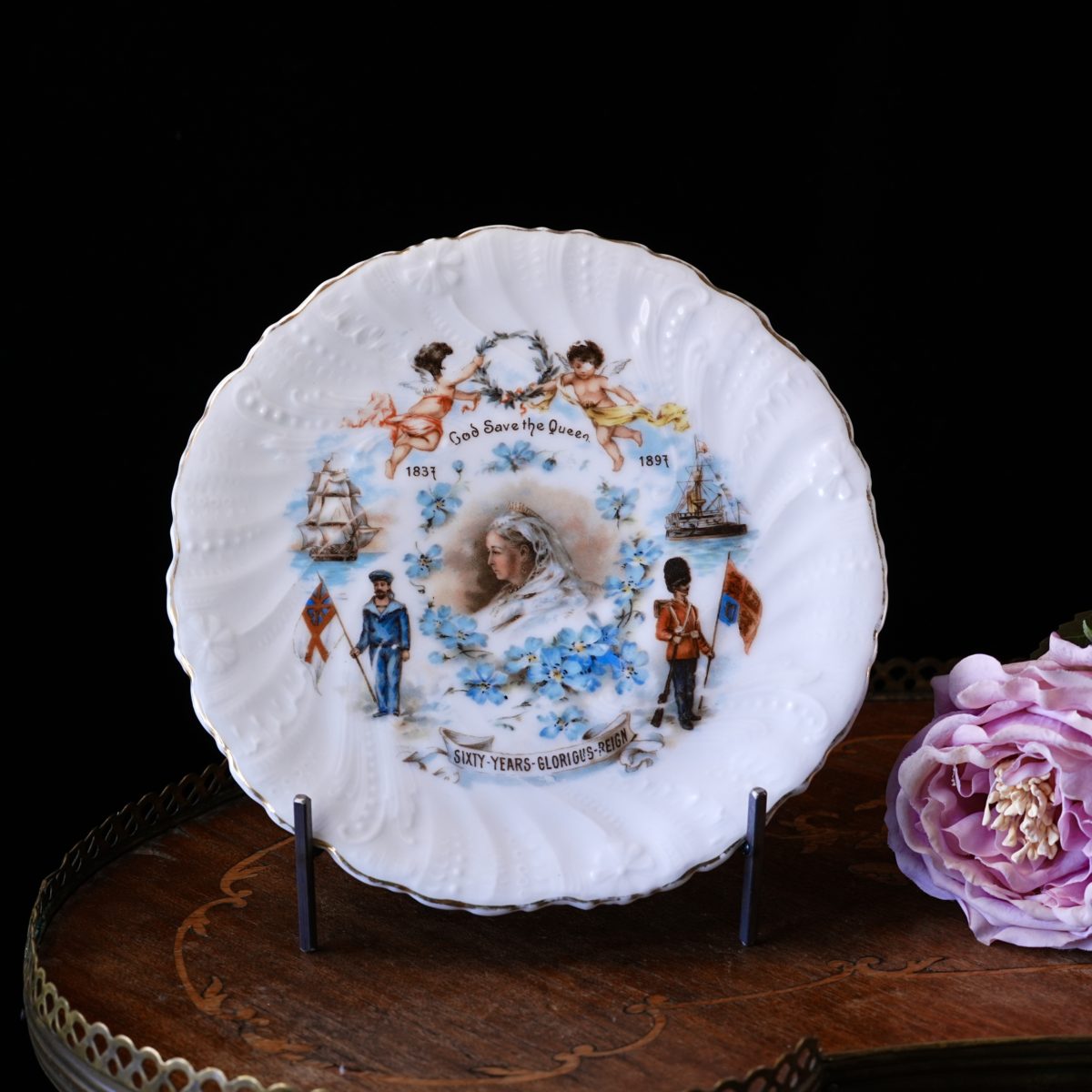
The Diamond Jubilee — the “Record Reign”
Sixty years, longer than any English monarch before her. The wares say it plainly — “The Longest and Noblest Reign,” “Record Reign” — and the aged, veiled portrait of the Queen-Empress replaces the young profile of 1887.
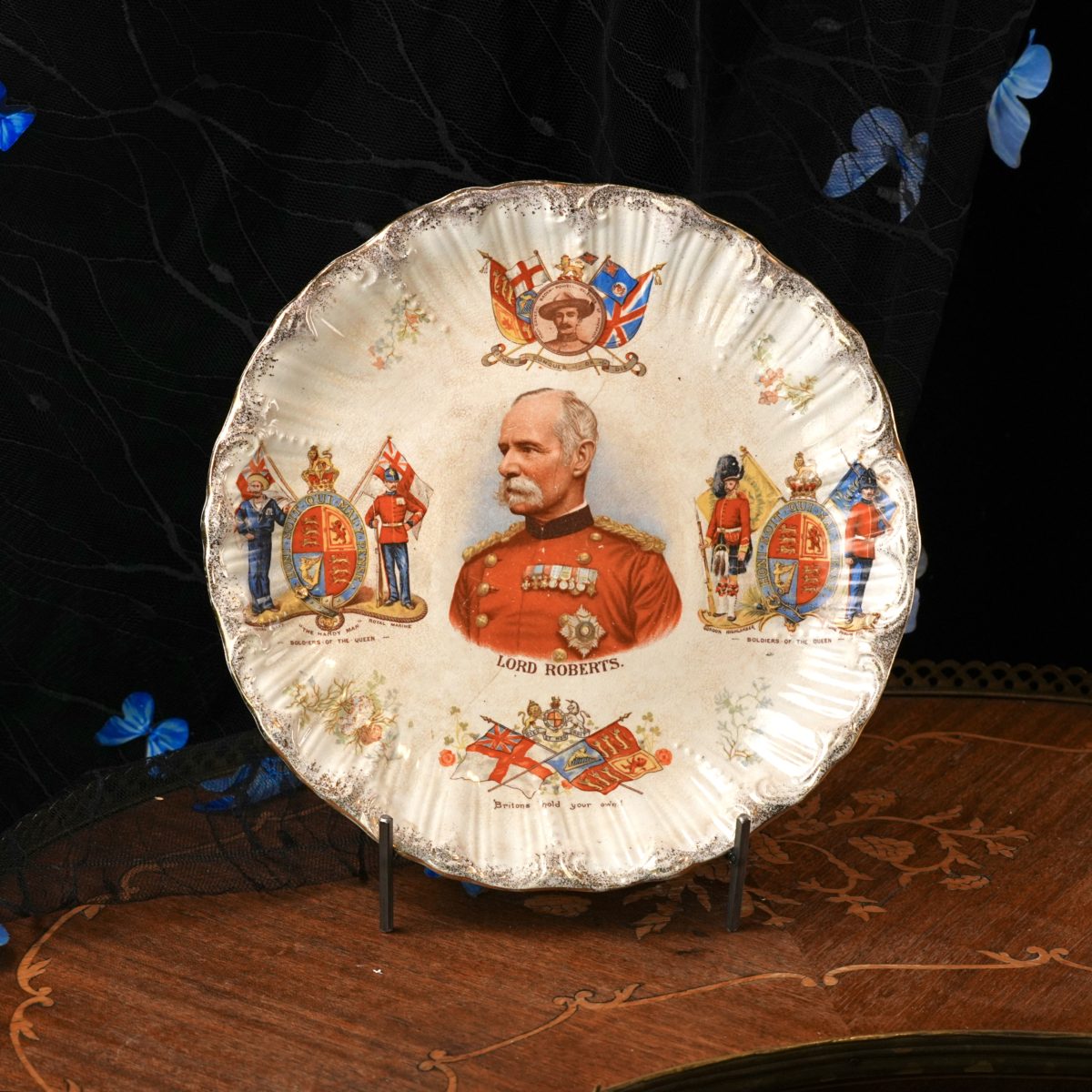
Empire at war — the Boer War wares
Patriotic pottery flowed alongside the royal kind: generals in khaki, relief columns, besieged towns. This plate names Lord Roberts and the defence of Mafeking — news events fired straight onto earthenware, still under Victoria.
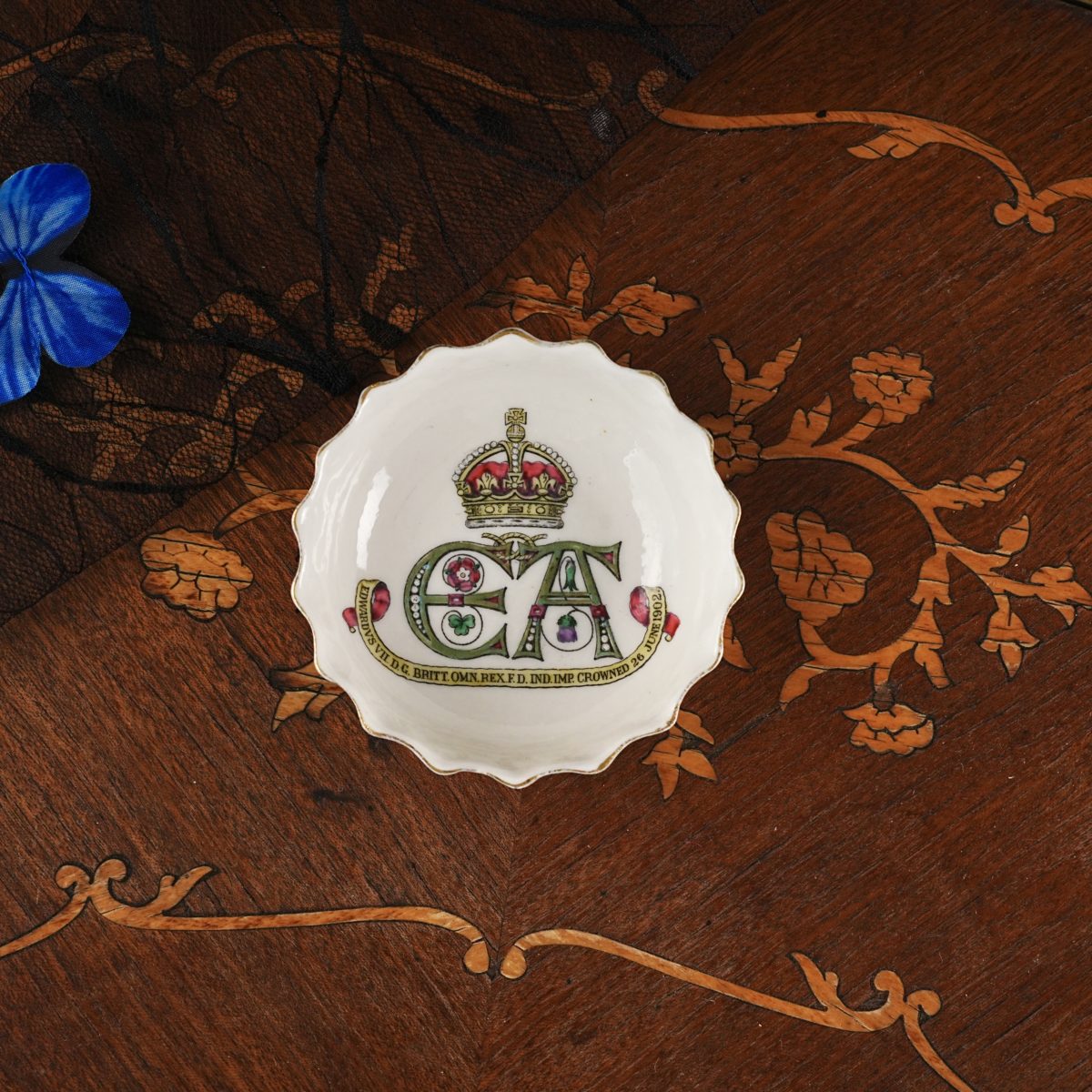
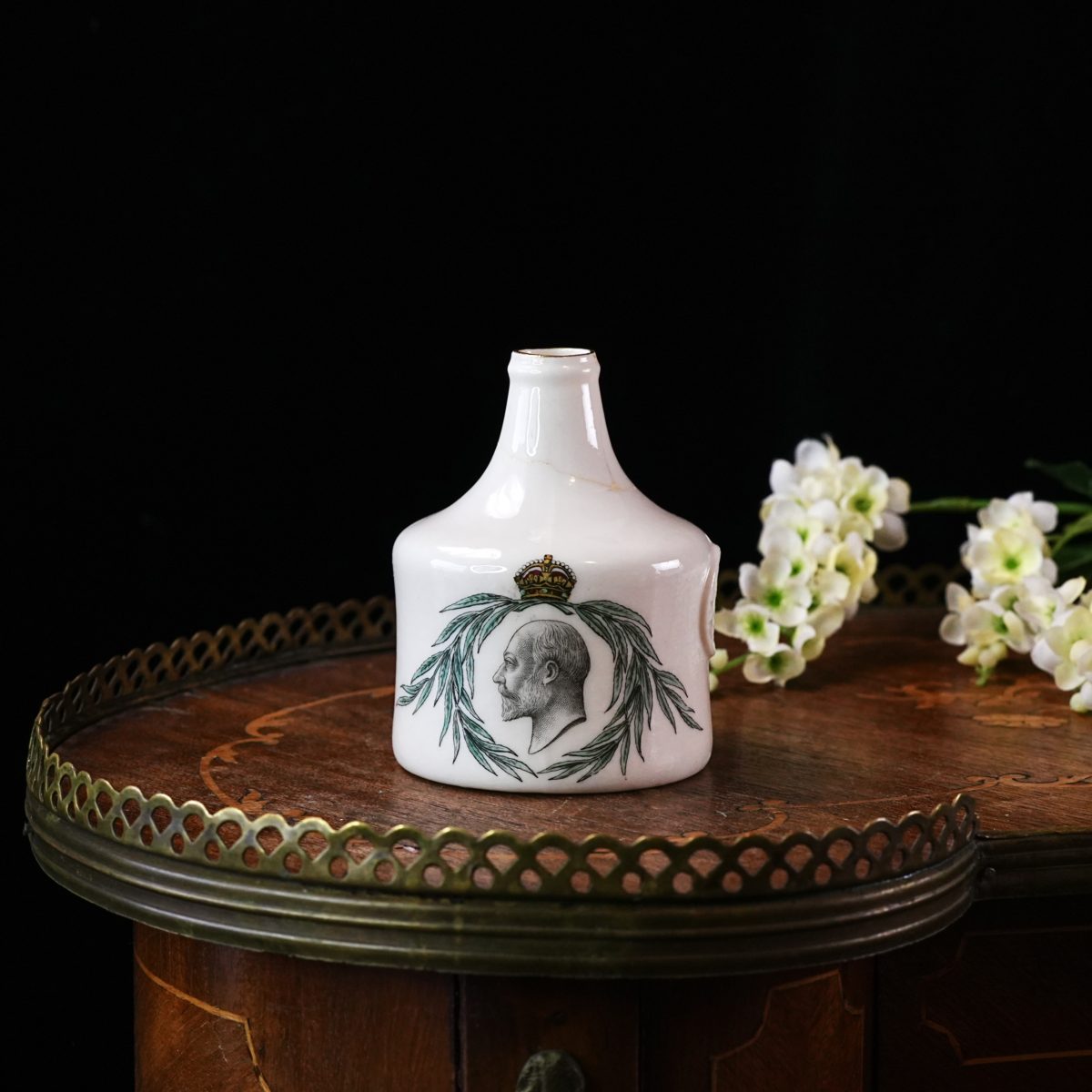
Edward VII — coronation and farewell
Edward VII's coronation, set for June 1902, was postponed at days' notice when the King fell ill with appendicitis; he was crowned that August, and much of the china keeps the original date. Eight years later the potteries turned out mourning wares for “The Peacemaker.” The same years were the great age of W.H. Goss's heraldic souvenir china.
George V — coronation year
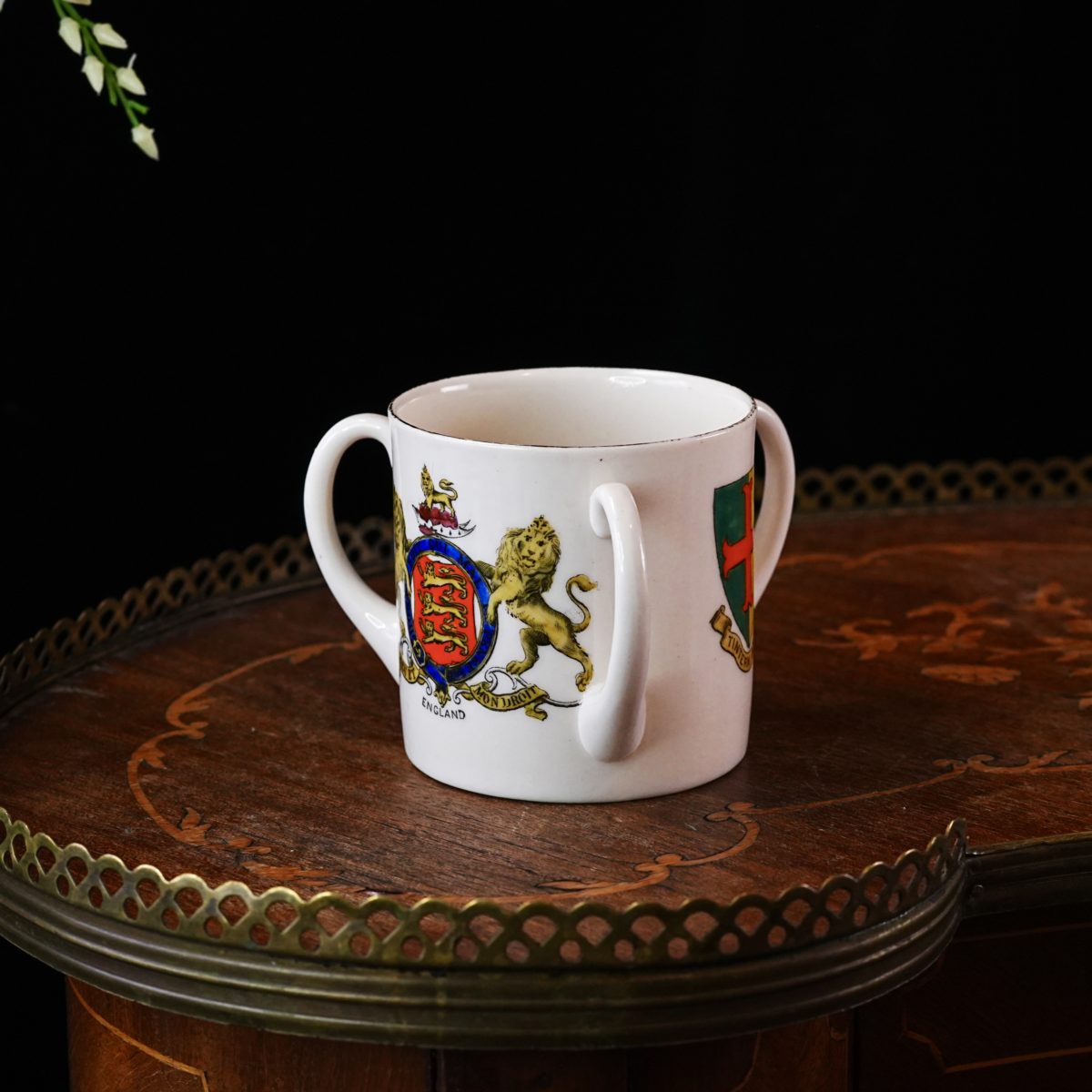
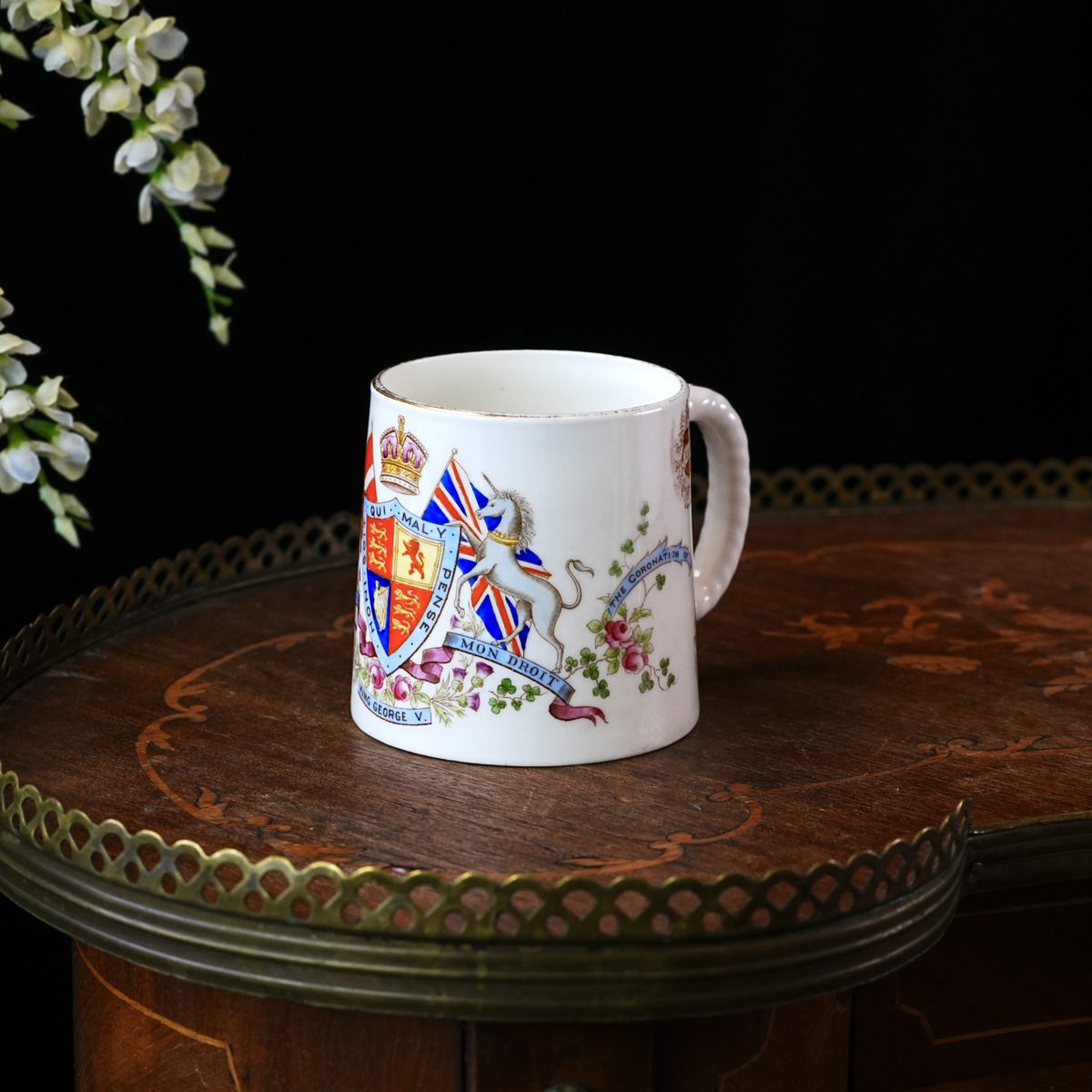
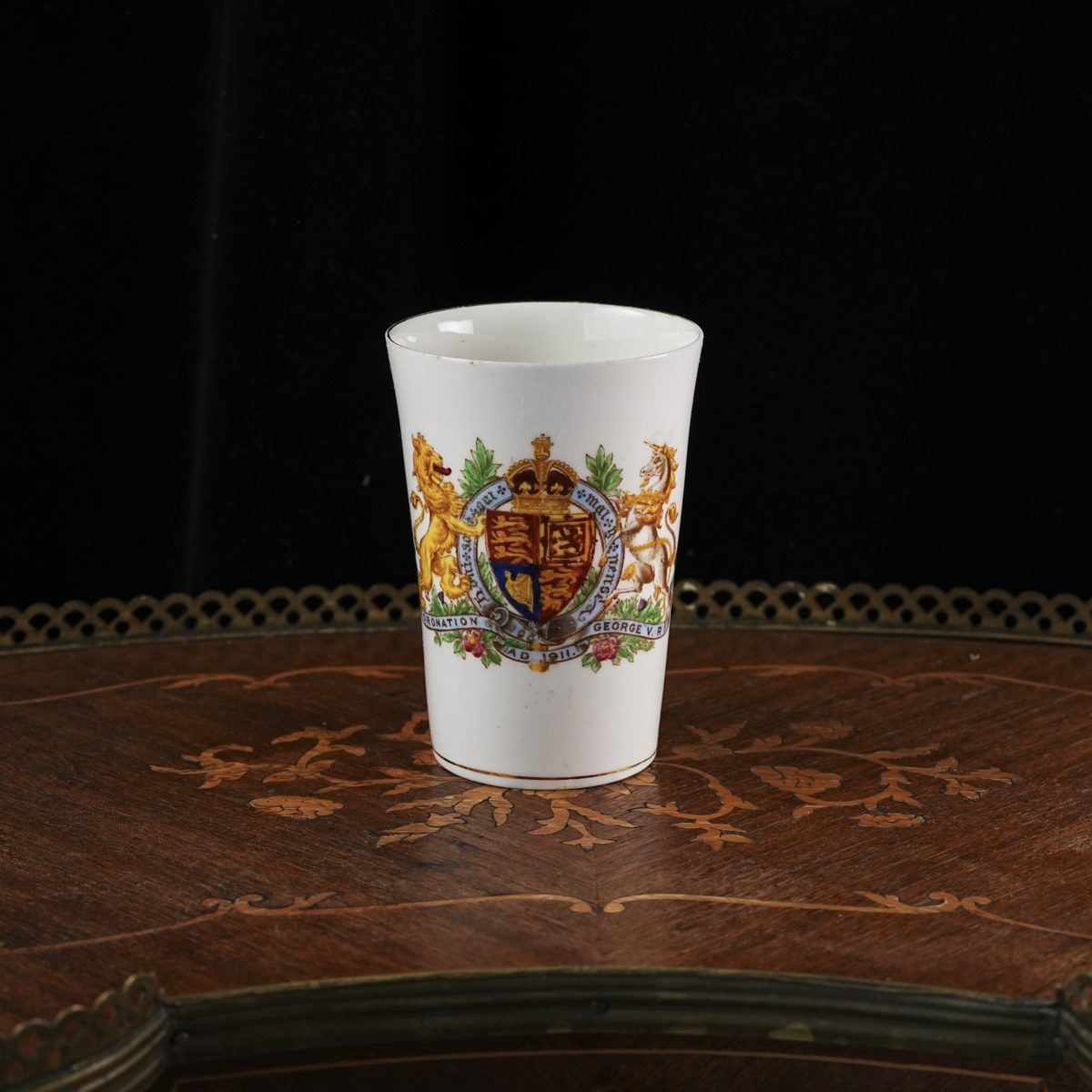
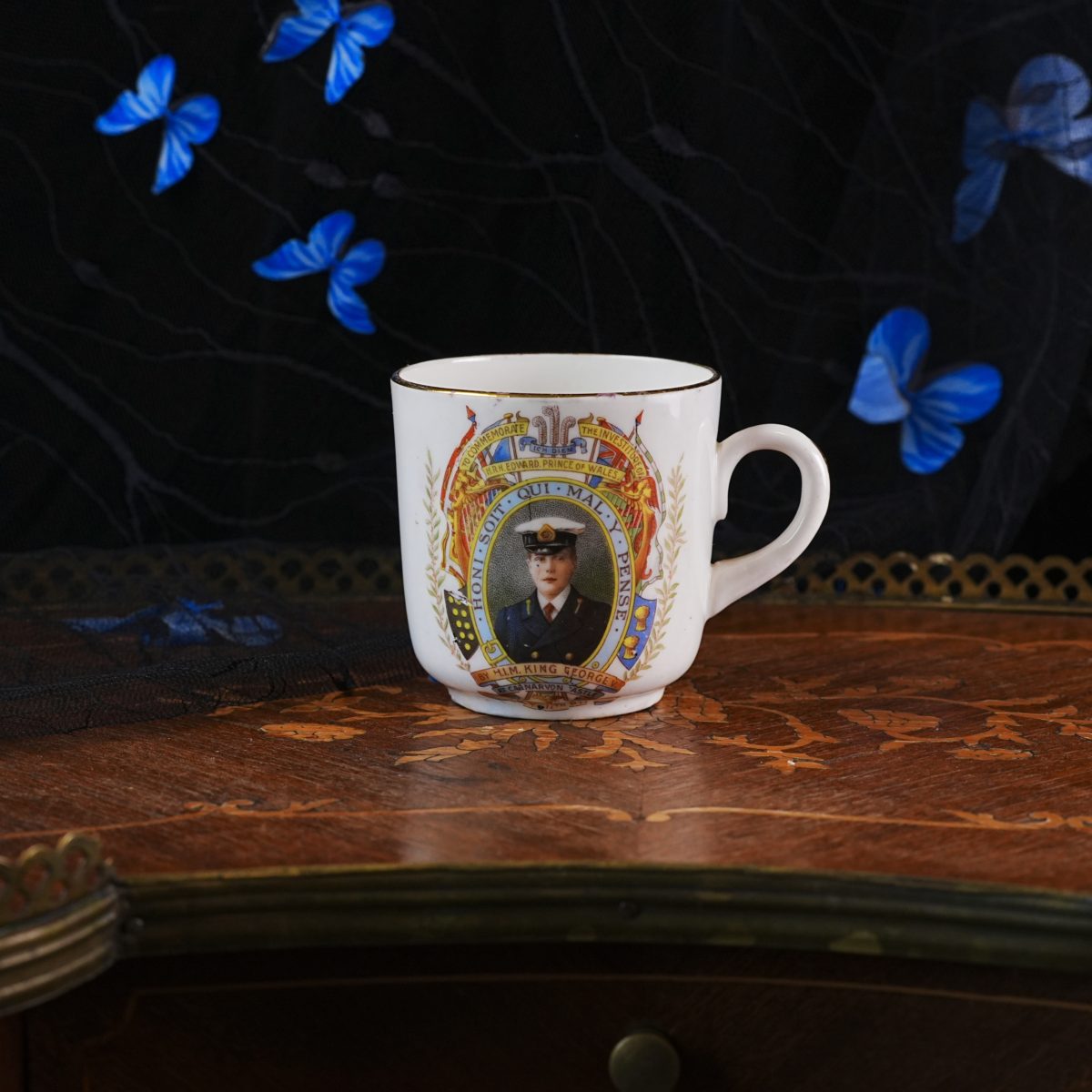
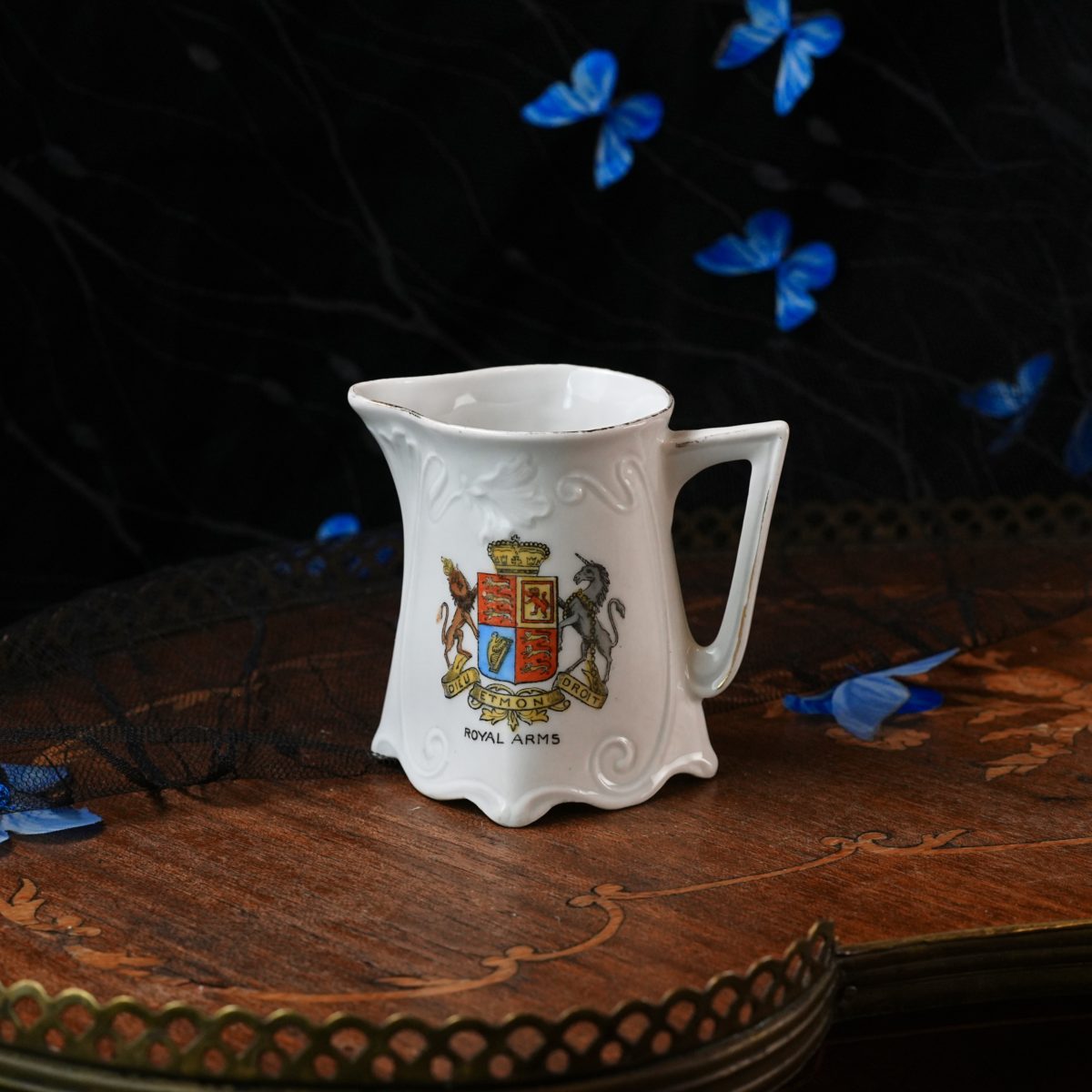
George V was crowned in June 1911; a month later the young Prince of Wales — the future Edward VIII — was invested at Caernarfon Castle, and both events went straight onto china. Empire crests, royal arms, and “Ich Dien” mottoes mark the confident high noon of Empire.
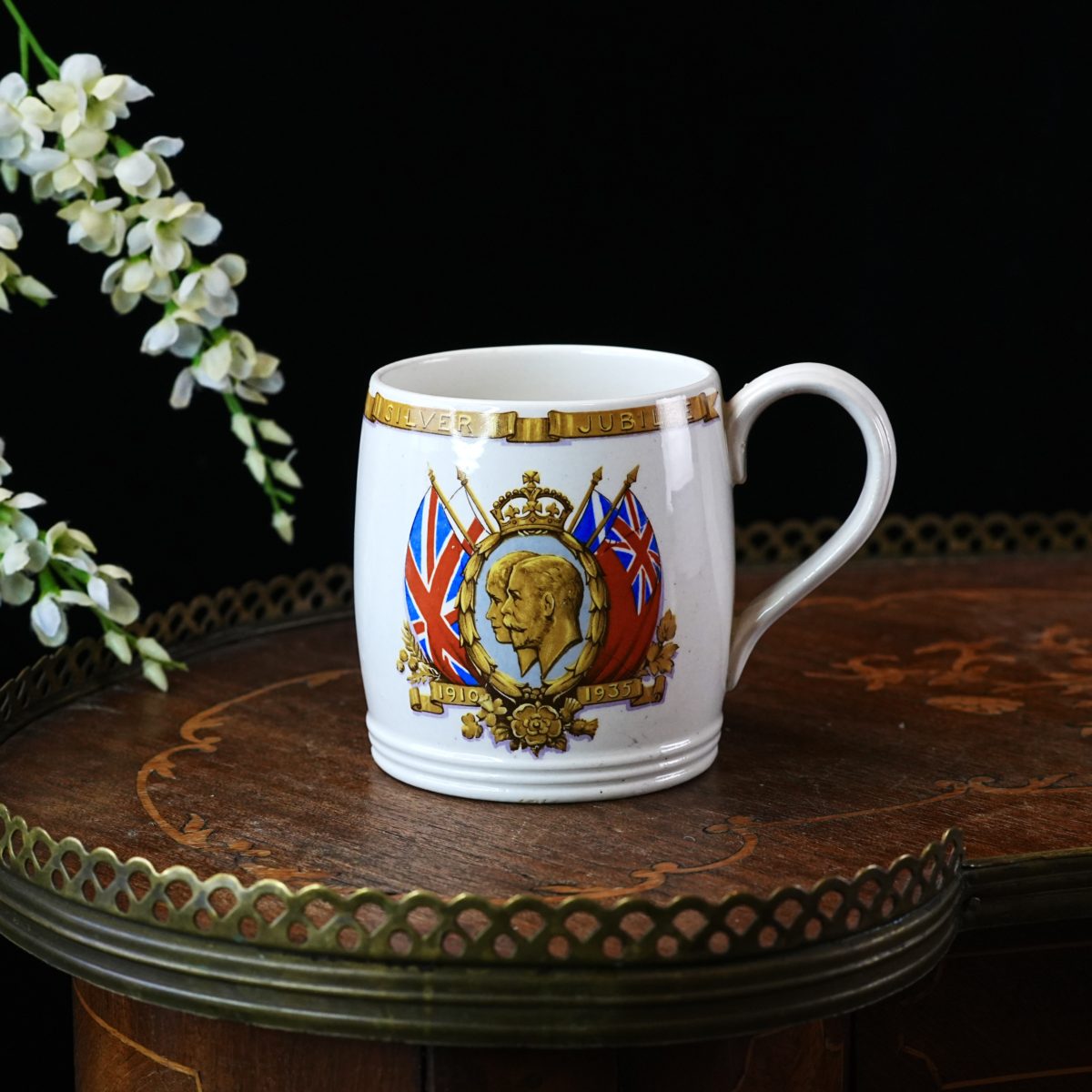
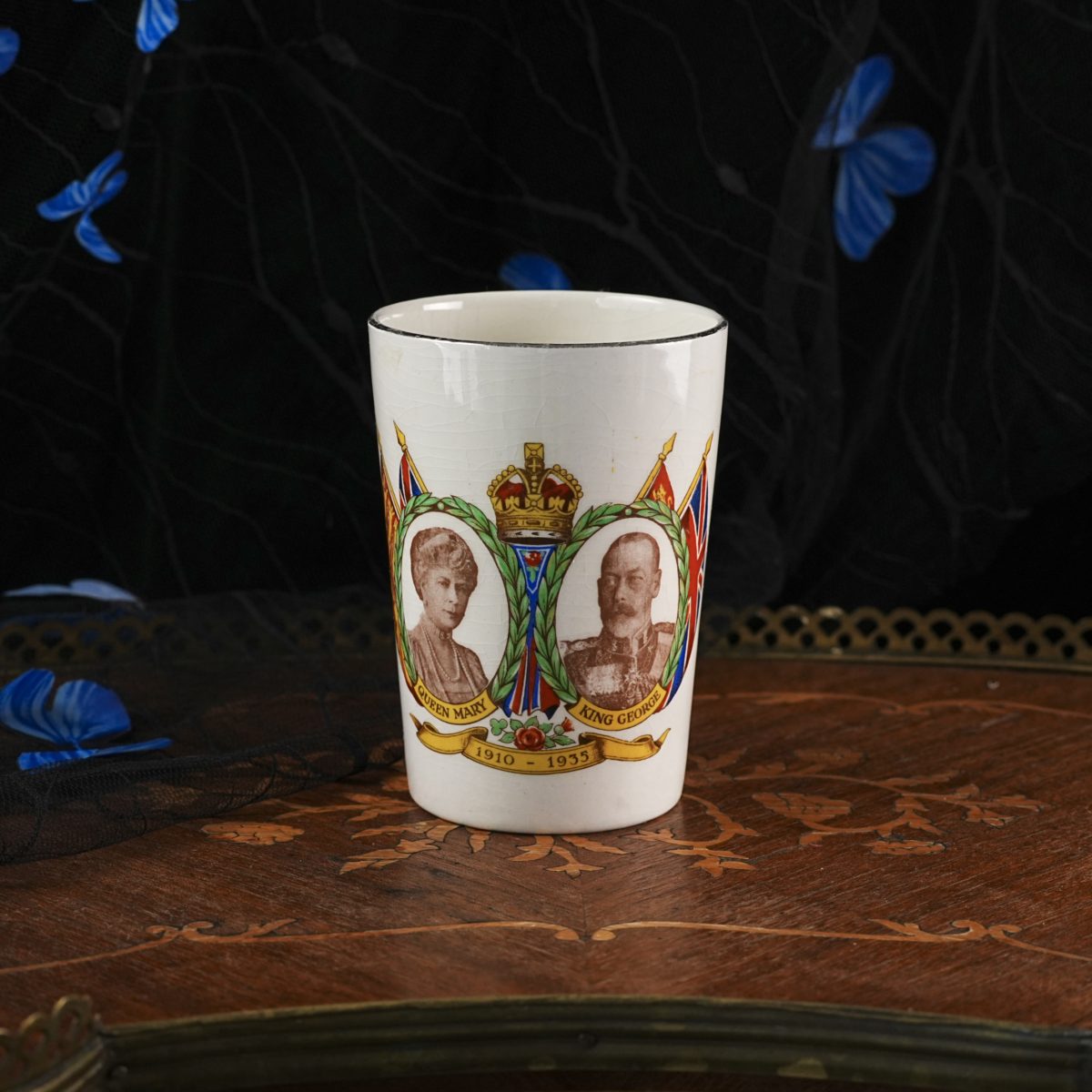
George V's Silver Jubilee
Twenty-five years of a steady king, celebrated in May 1935 in the teeth of the Depression. Many pieces were school and civic gifts — this beaker was presented by Northumberland's schools — which is why so many survive with their dedications intact.
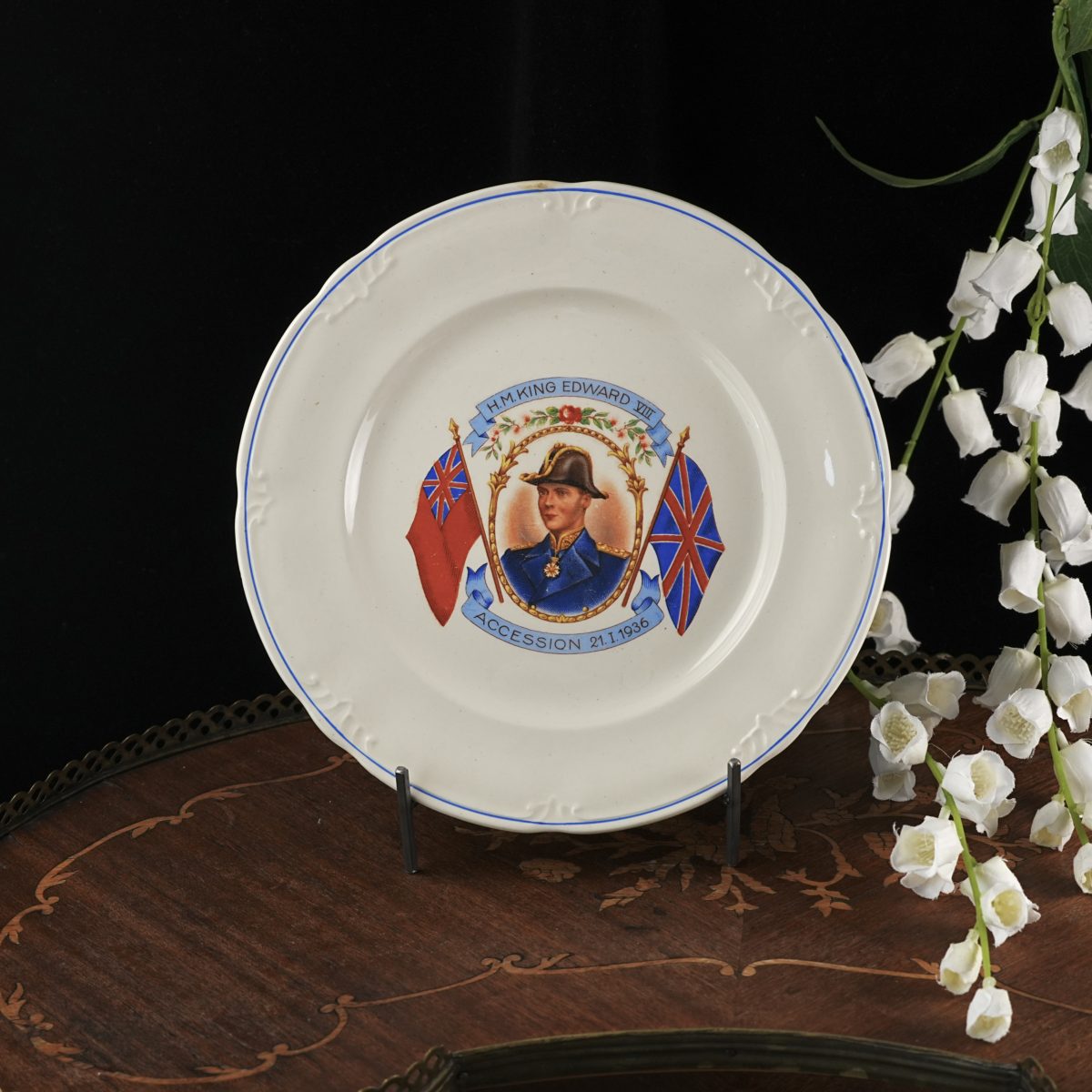
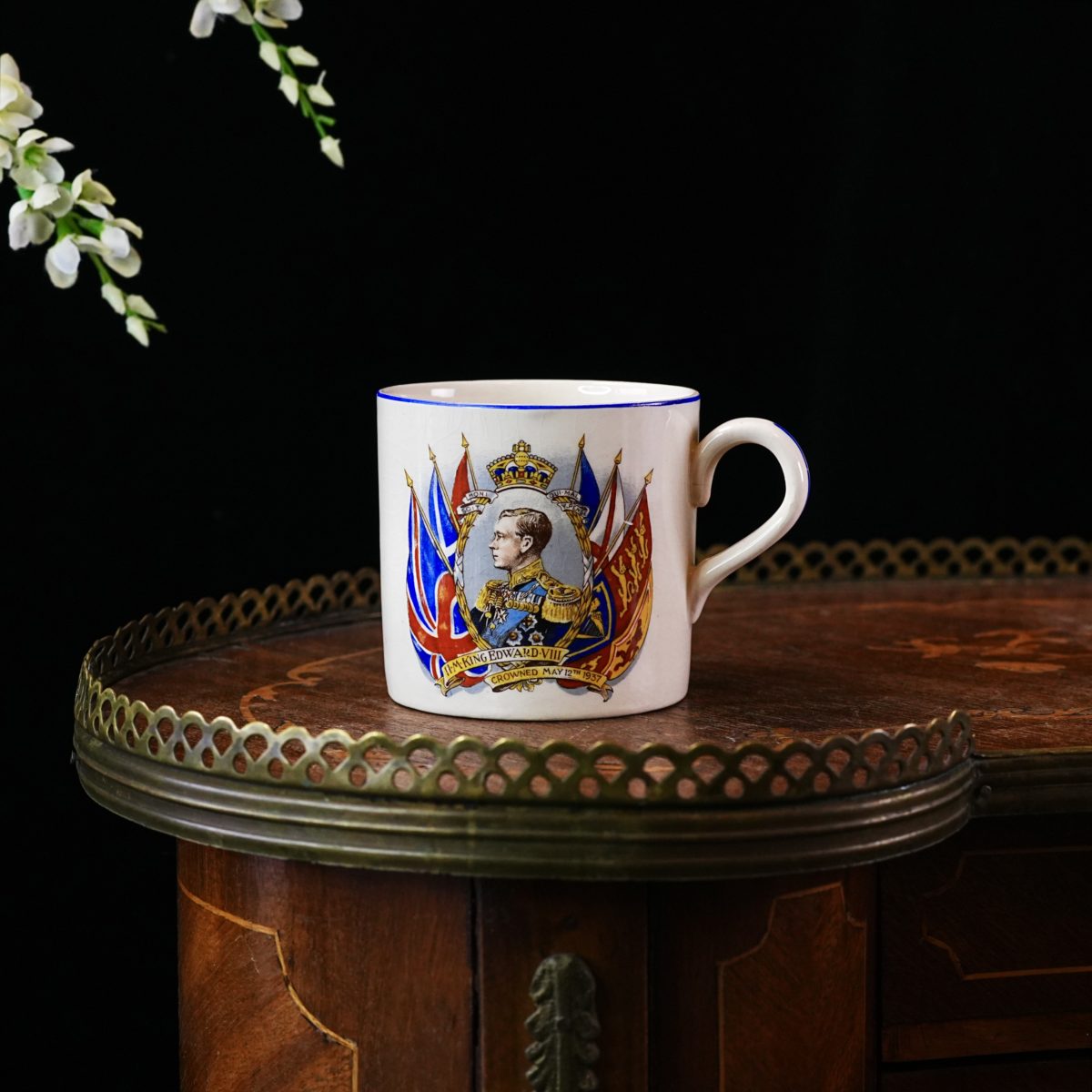
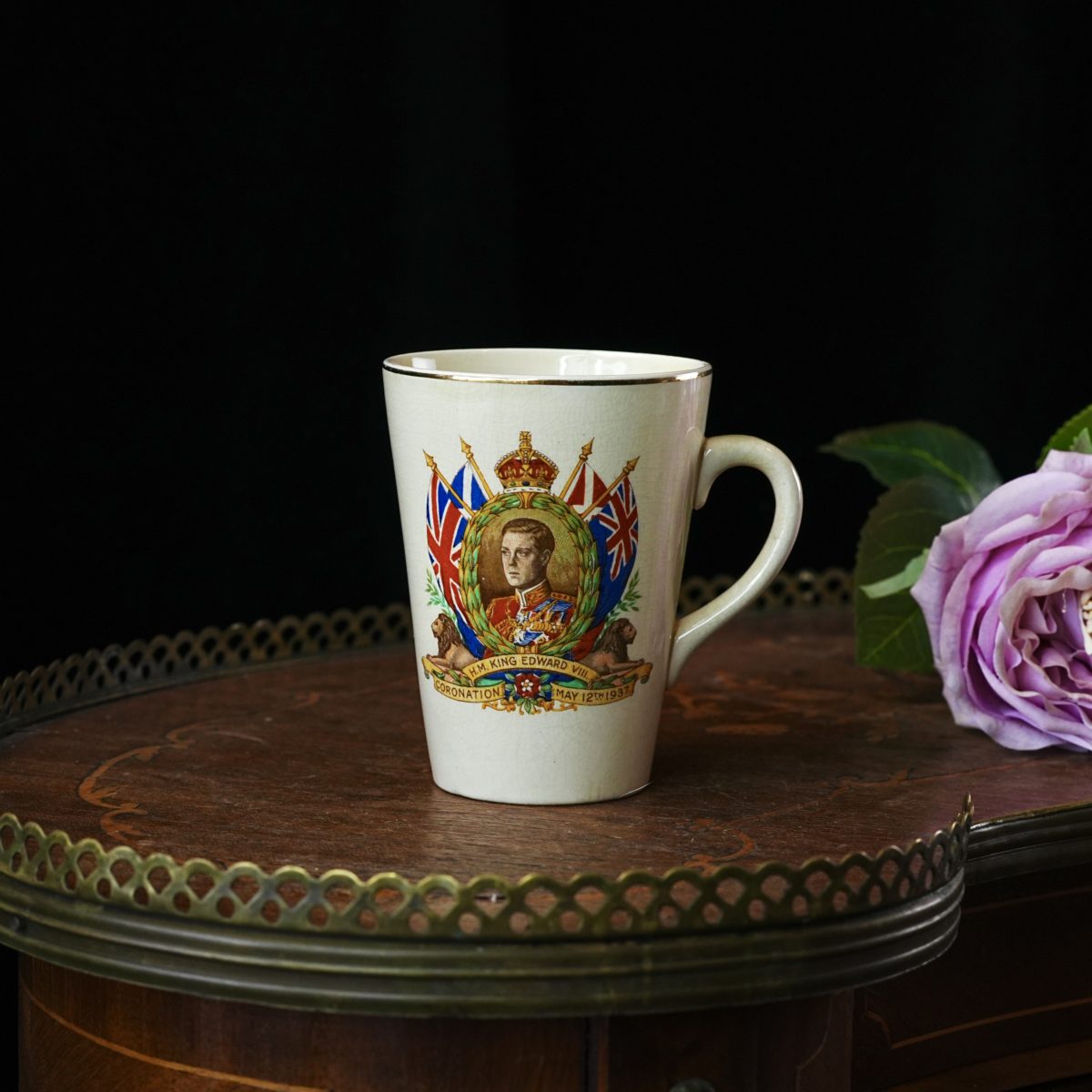
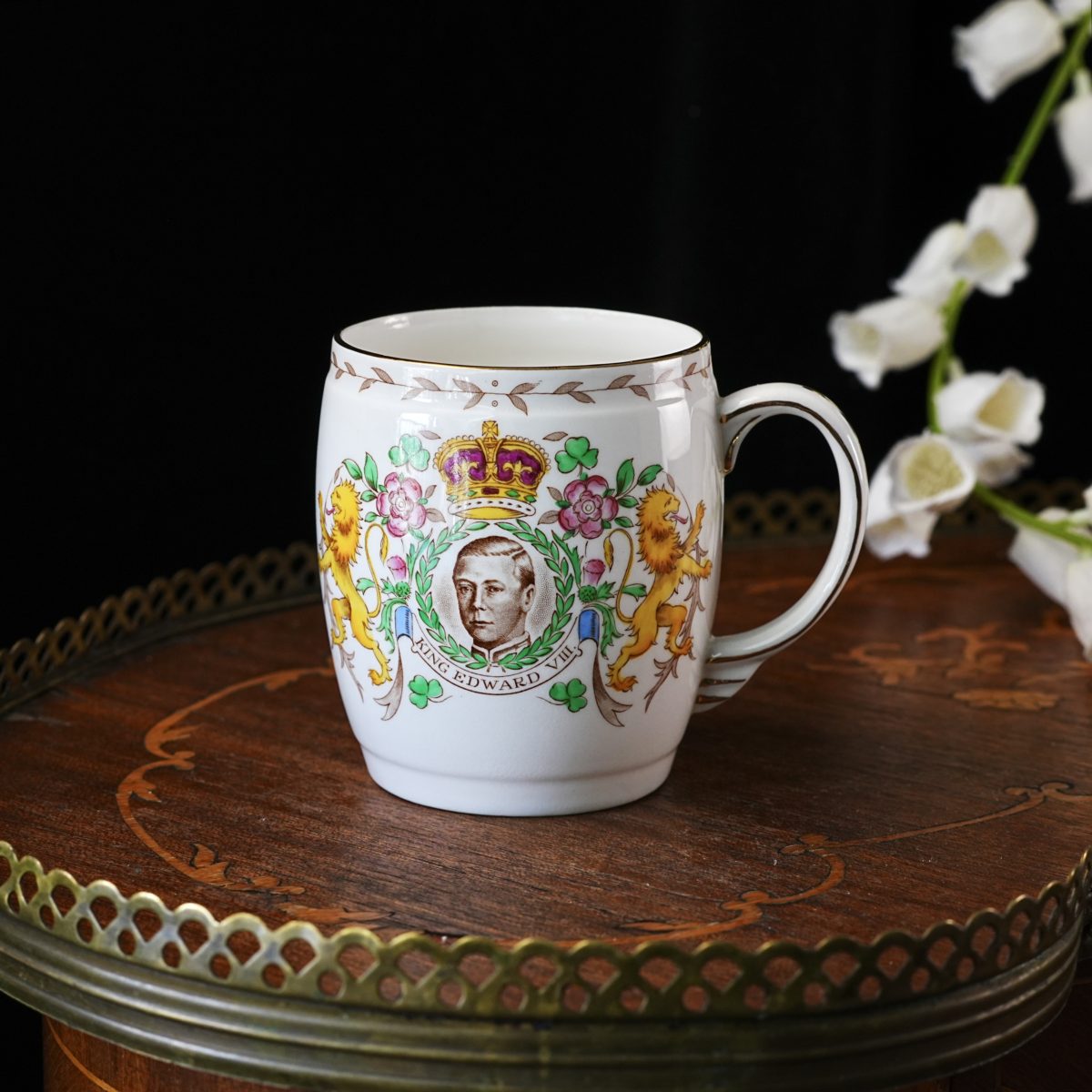
Edward VIII — the coronation that never was
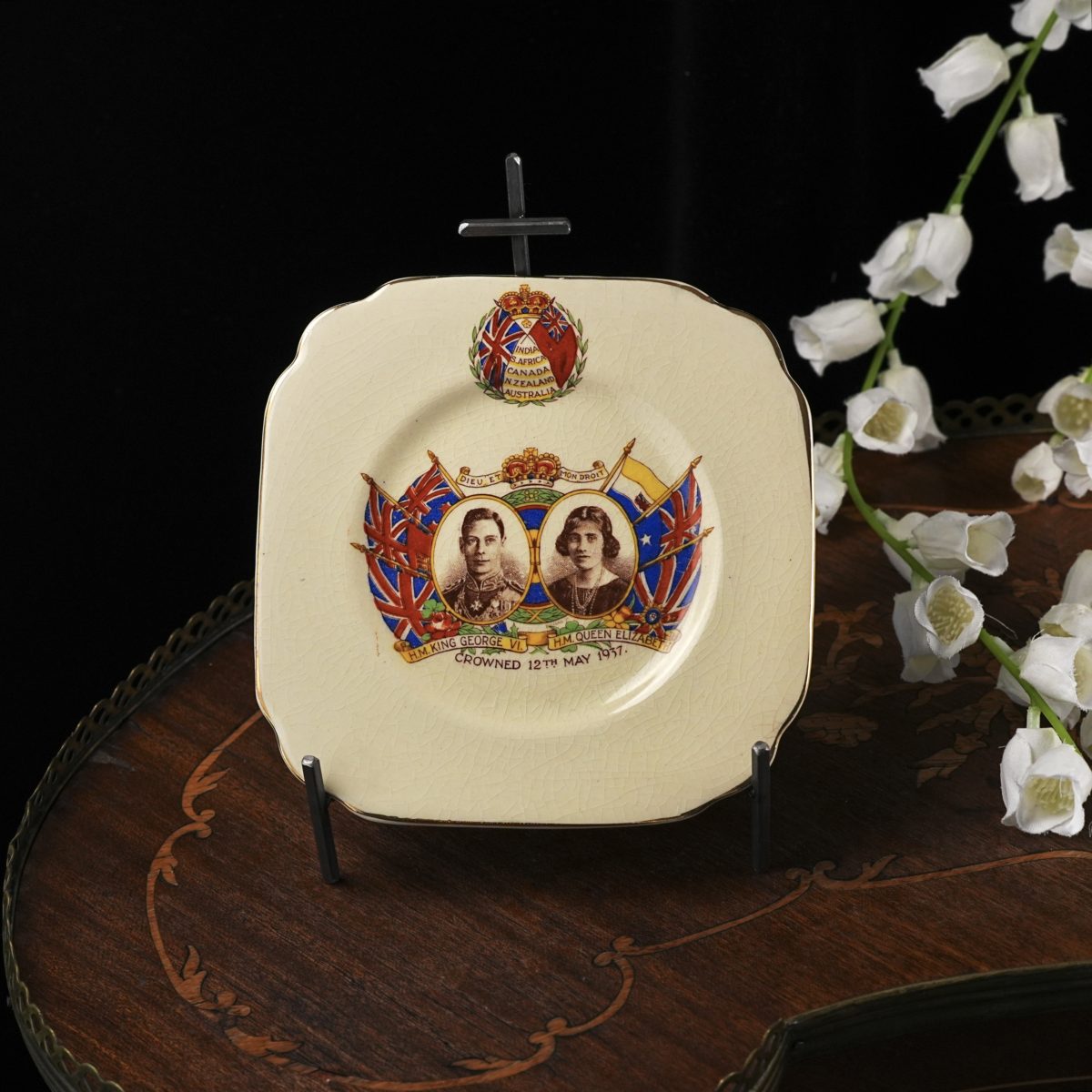
Edward VIII acceded in January 1936 and abdicated in December, before his coronation set for 12 May 1937 could take place. The potteries had already fired the wares — so the mugs and plates exist for a crowning that never happened, one of the strangest and most collected episodes in commemorative china.
George VI — the same date, a different king
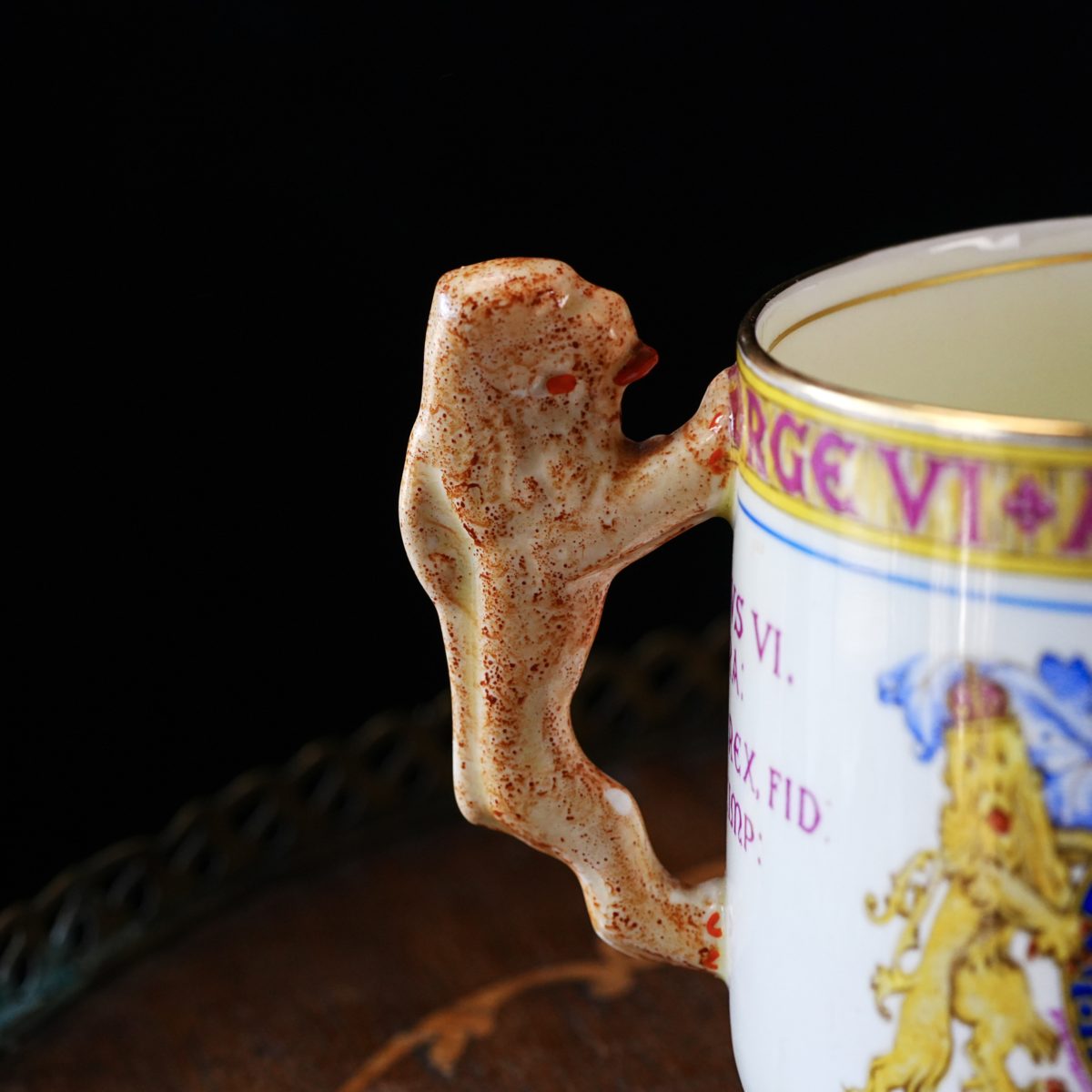
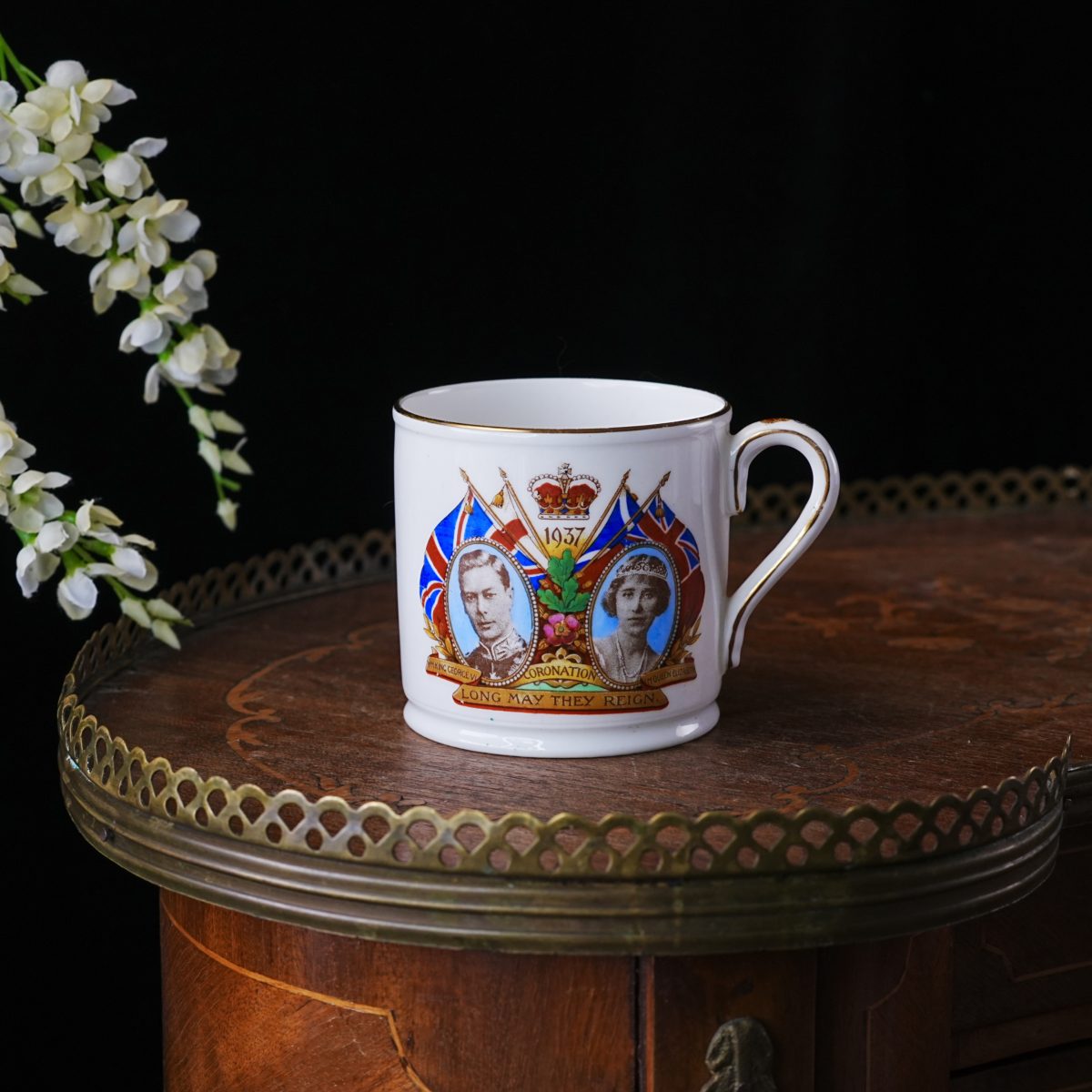
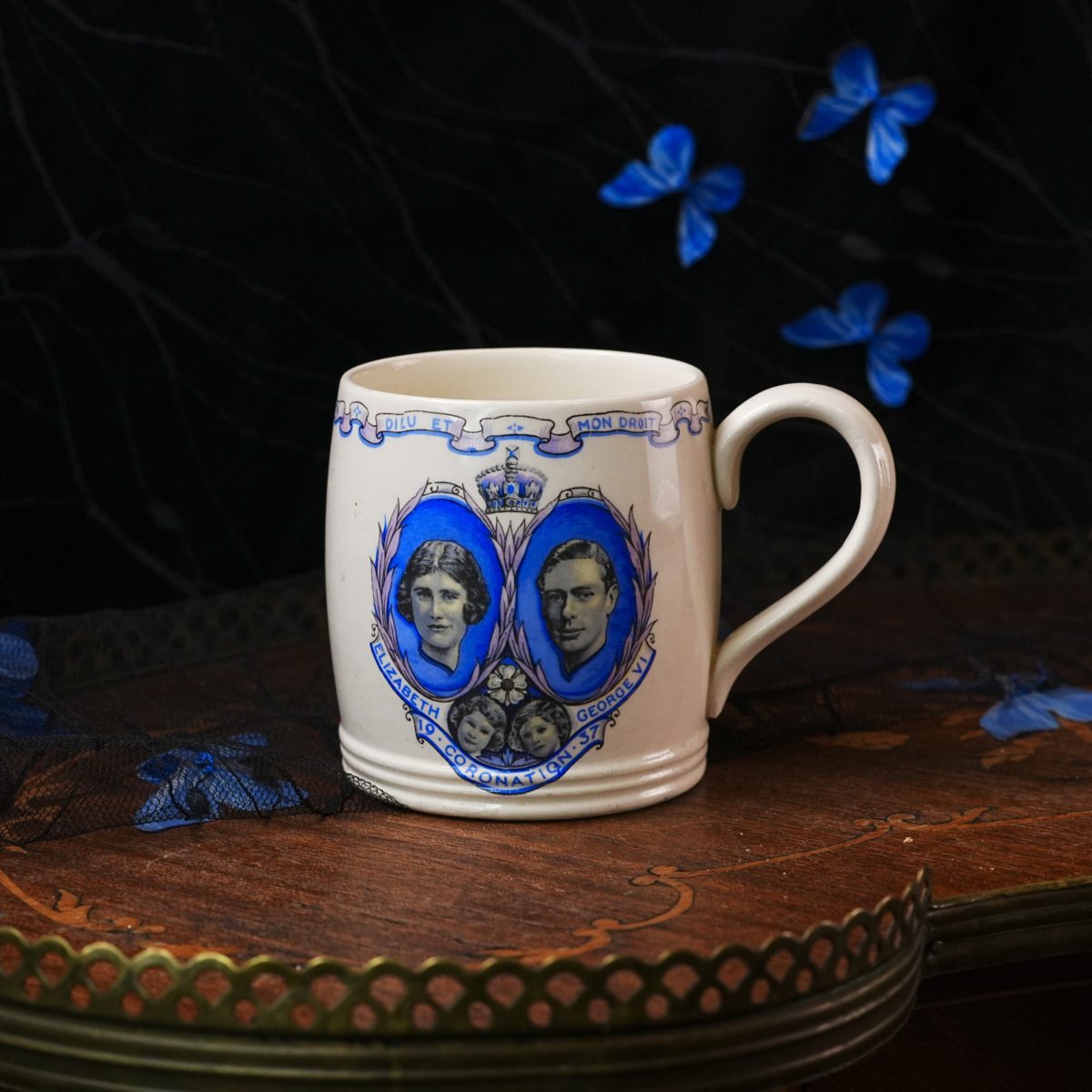
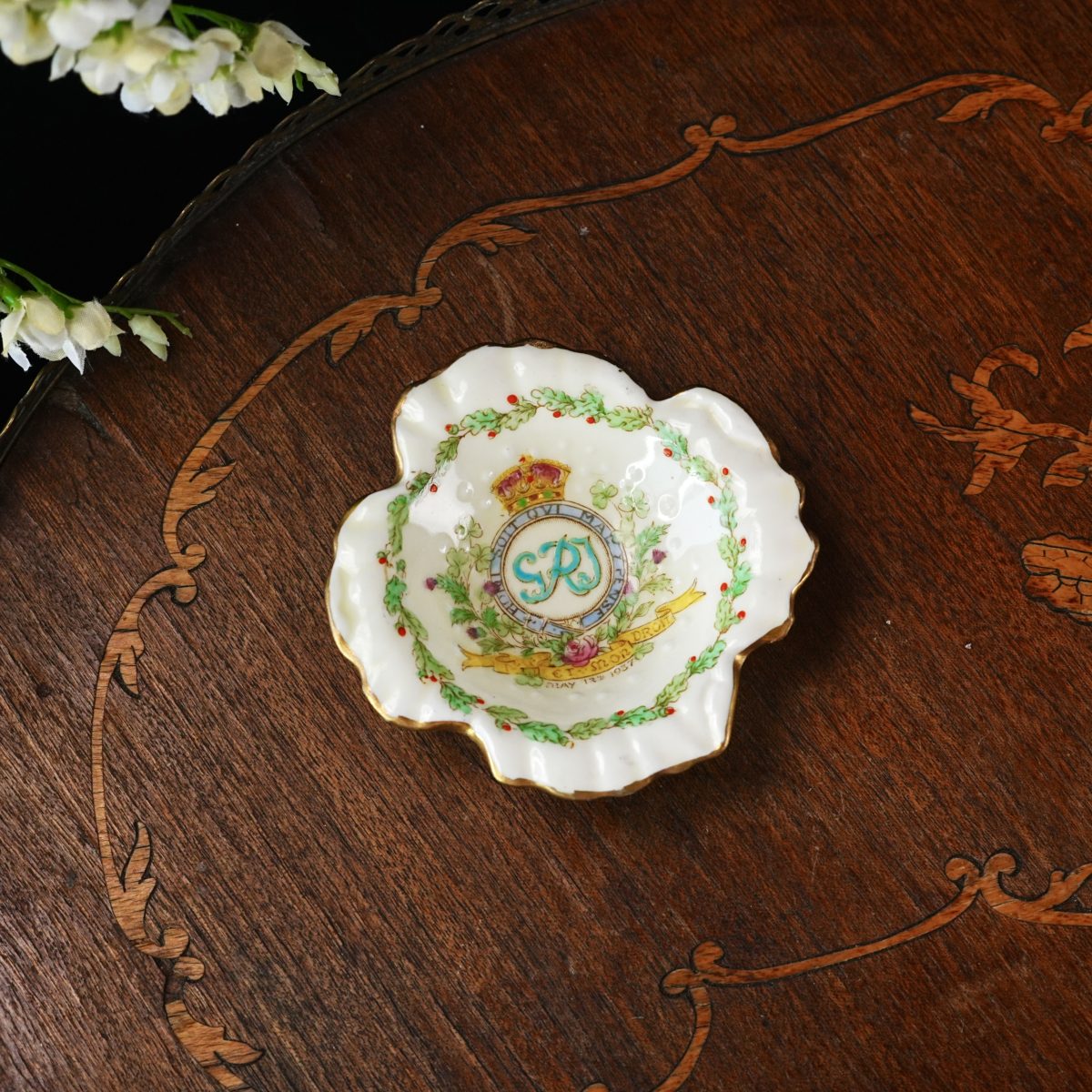
George VI was crowned on the very day planned for his brother — 12 May 1937 — and the industry pivoted overnight. Paragon's lion-handled loving cup belongs to this moment; so do civic issues like the scarce Thurrock mug, given to local schoolchildren.
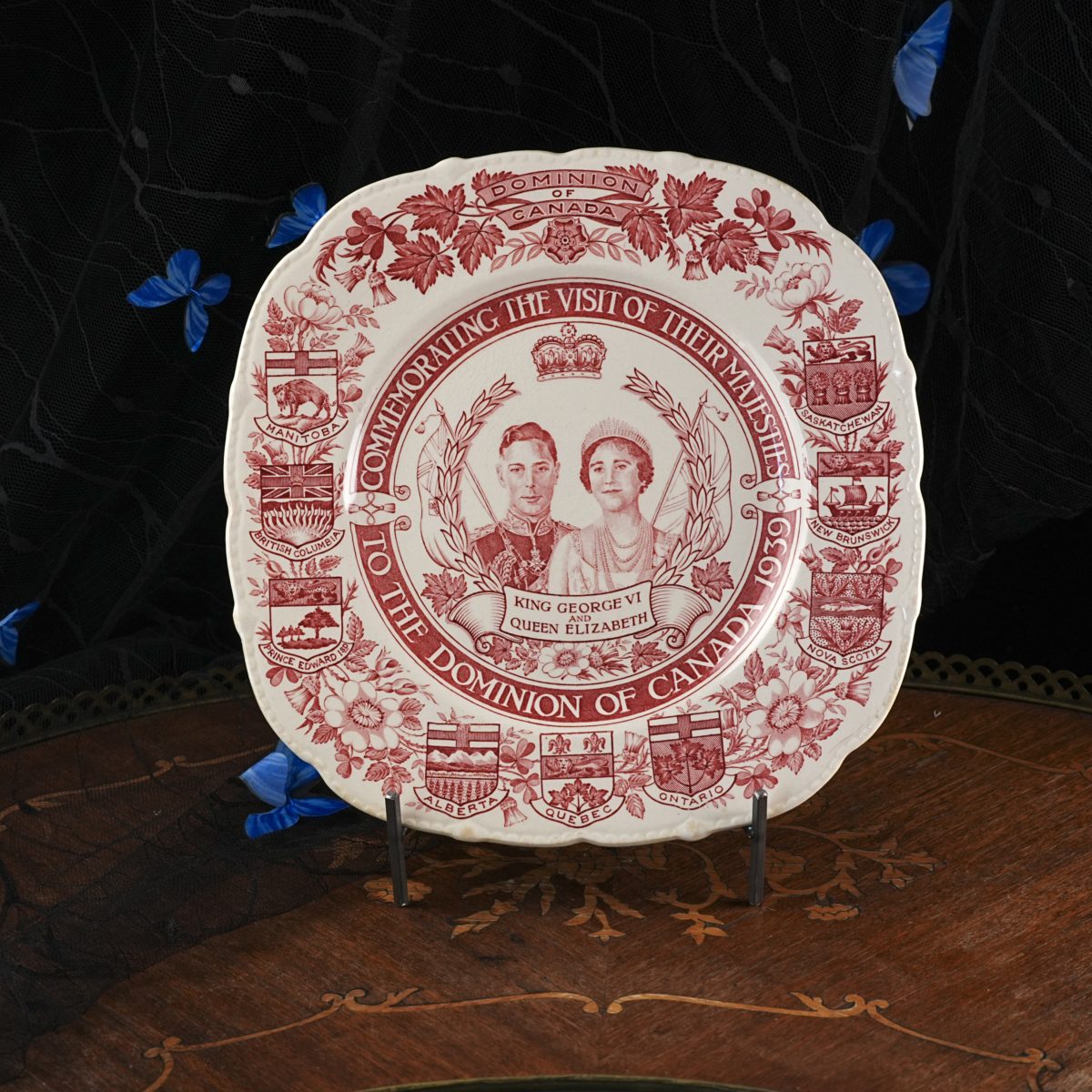
The Royal Visit to Canada
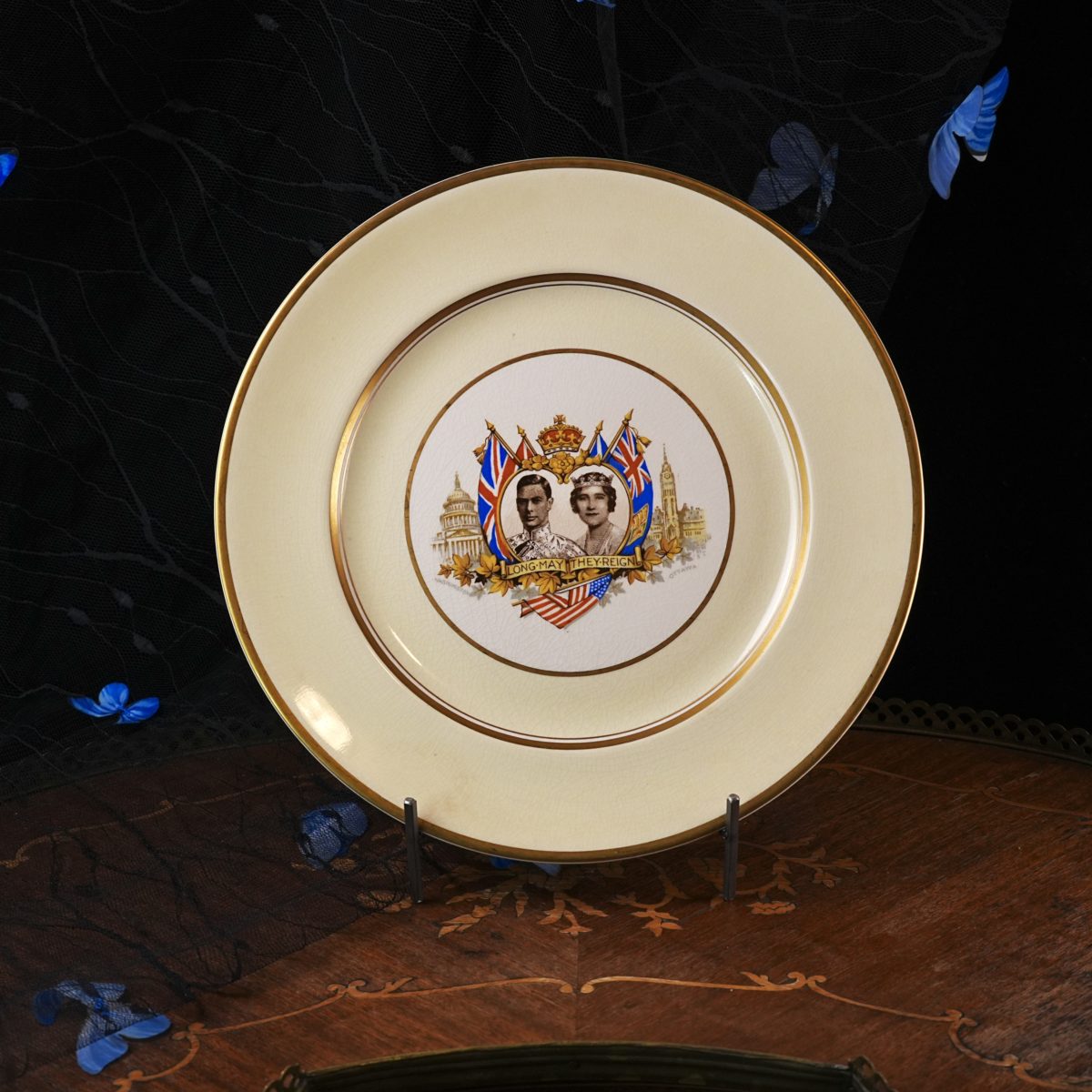
In May and June 1939, George VI became the first reigning monarch to set foot in Canada, crossing the country by train with Queen Elizabeth on the eve of war. Canadian-market plates — provincial shields, twin flags — commemorate a tour still remembered here in Ottawa.
Elizabeth II — coronation of the television age
Crowned 2 June 1953, the first coronation watched live by millions. Every pottery in Staffordshire issued something — portrait mugs, dishes, teacups — which is why 1953 wares are the most affordable entry point into royal commemoratives, and why the variety is endless.
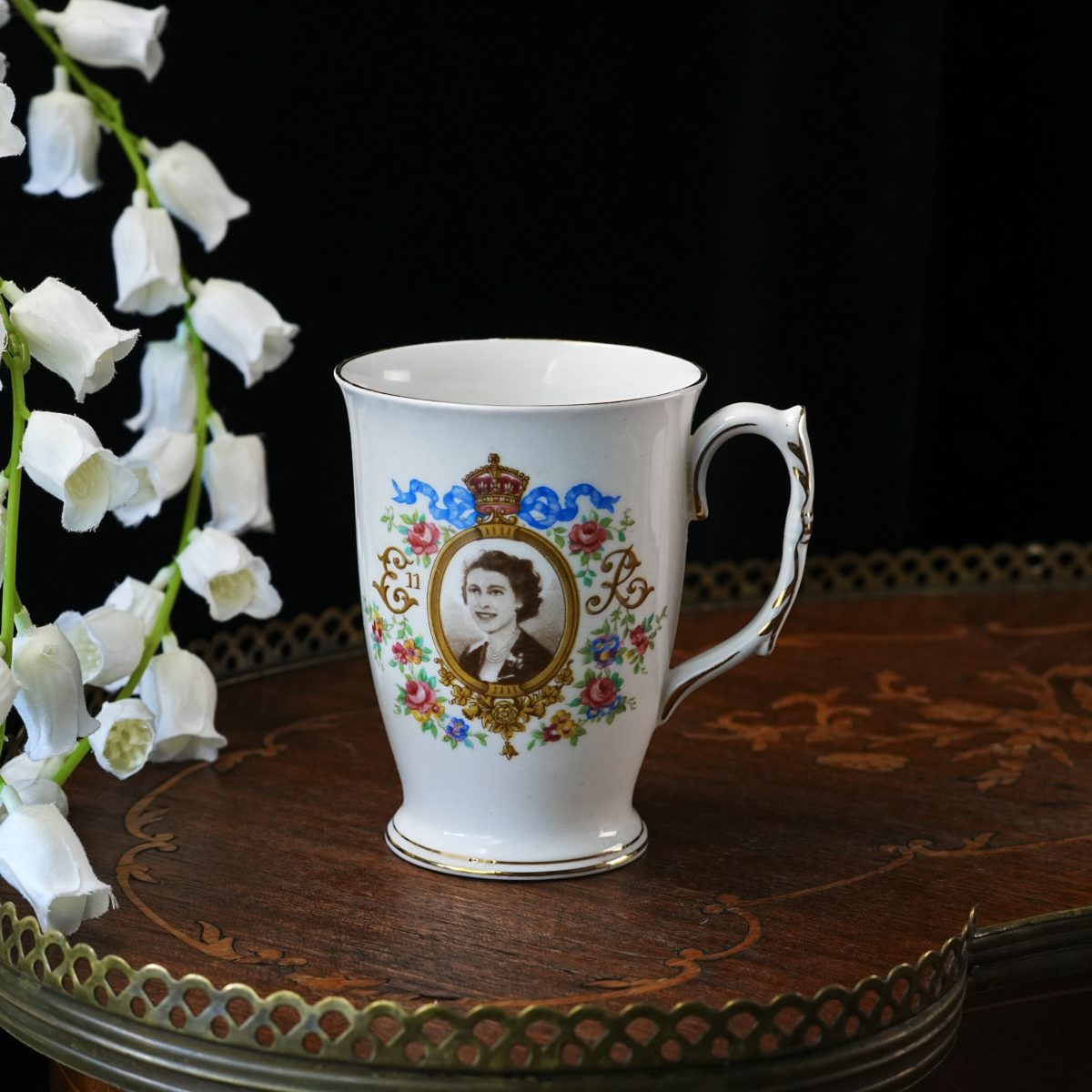 Royal Albert Coronation Elizabeth II Mug
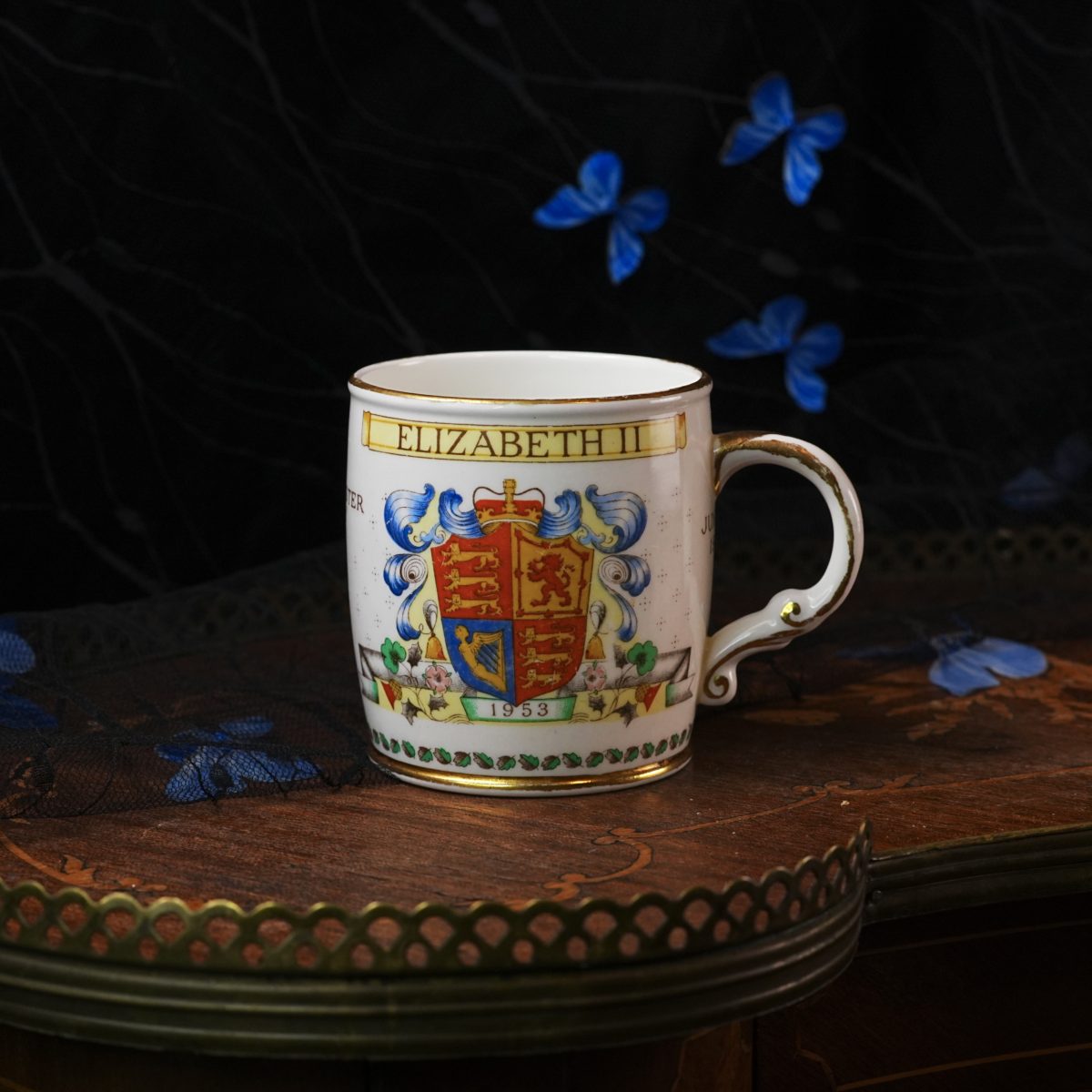 Foley Bone China Coronation Mug Queen Elizabeth II
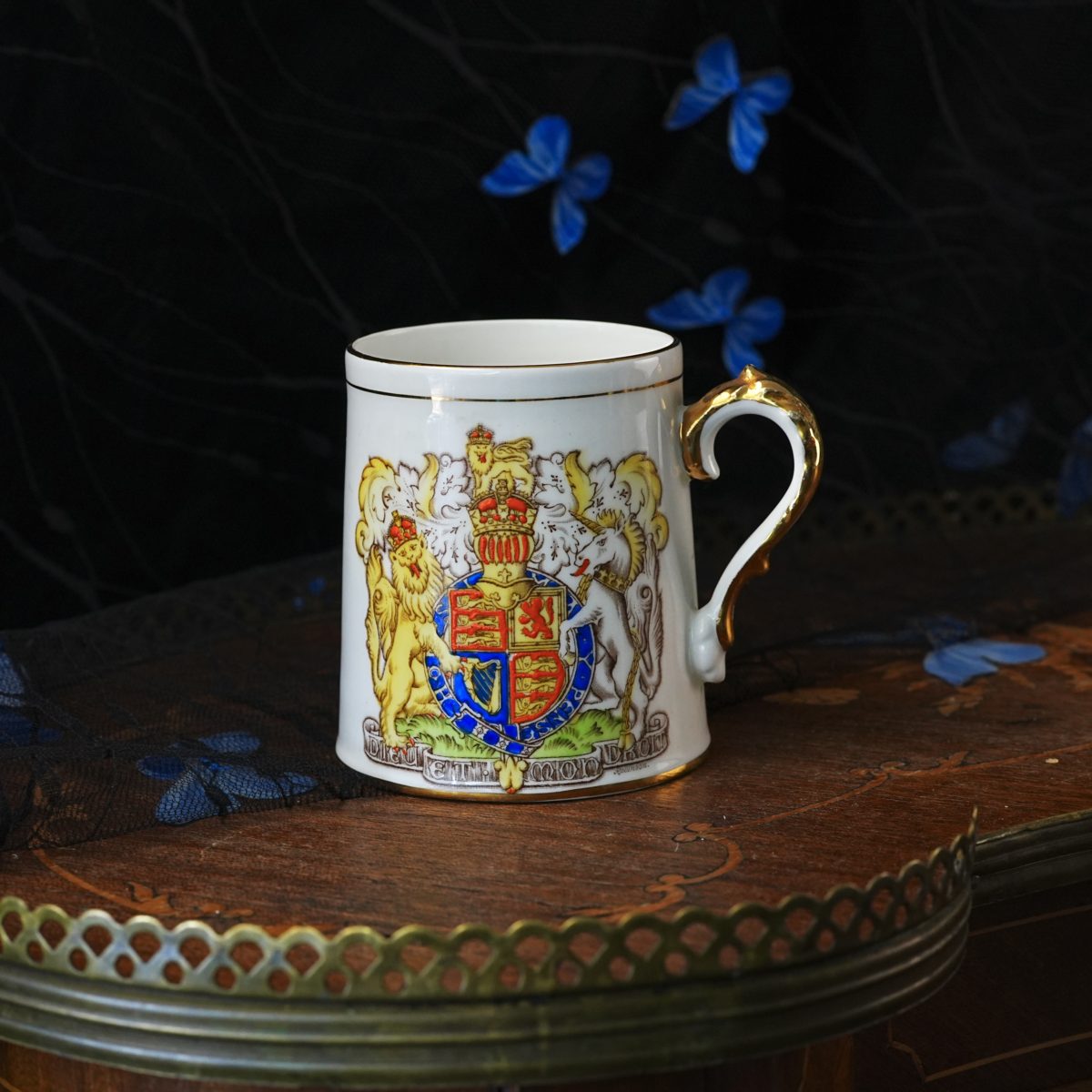 Stanley Fine Bone China Coronation Mug Elizabeth II
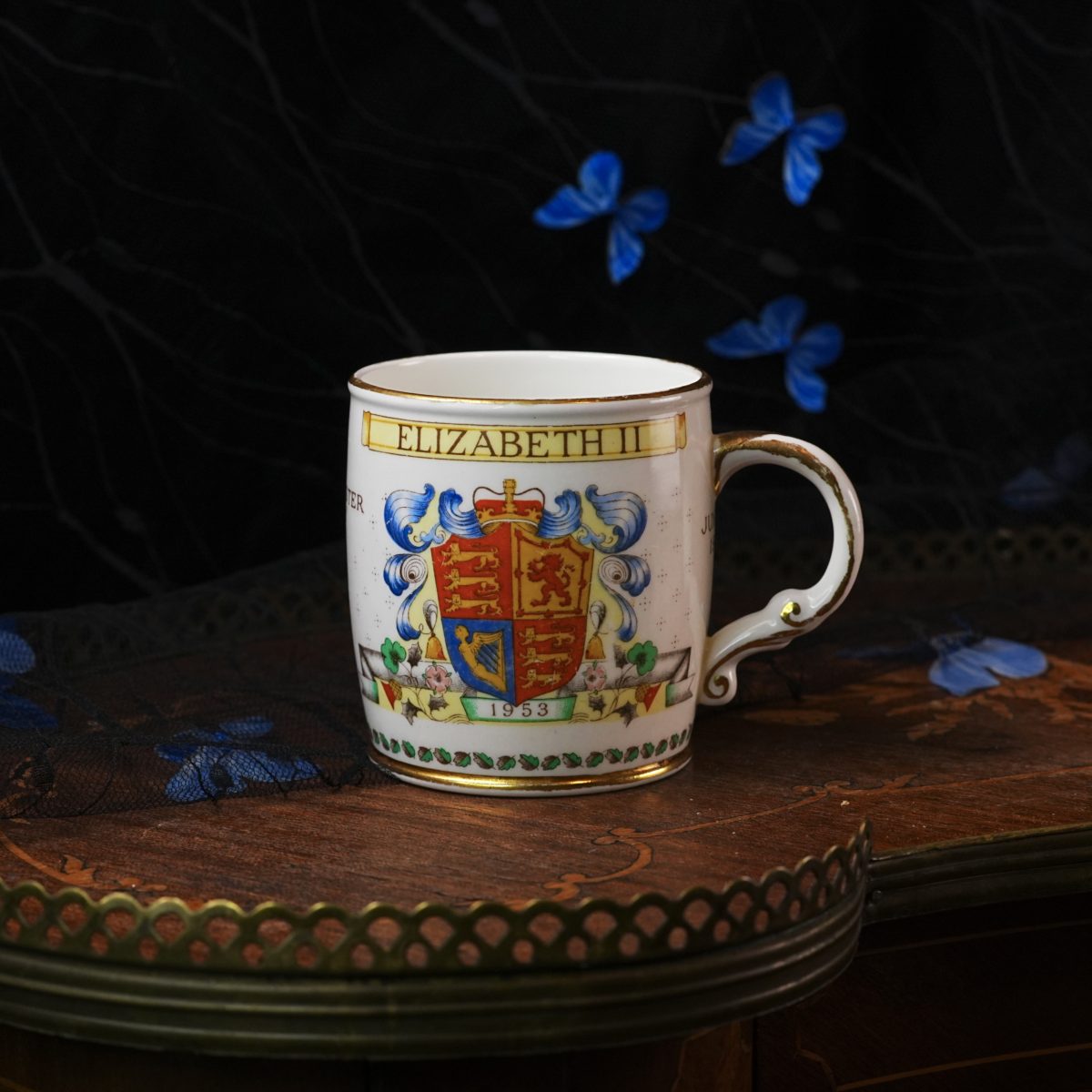 Empire England Queen Elizabeth II Coronation Mug
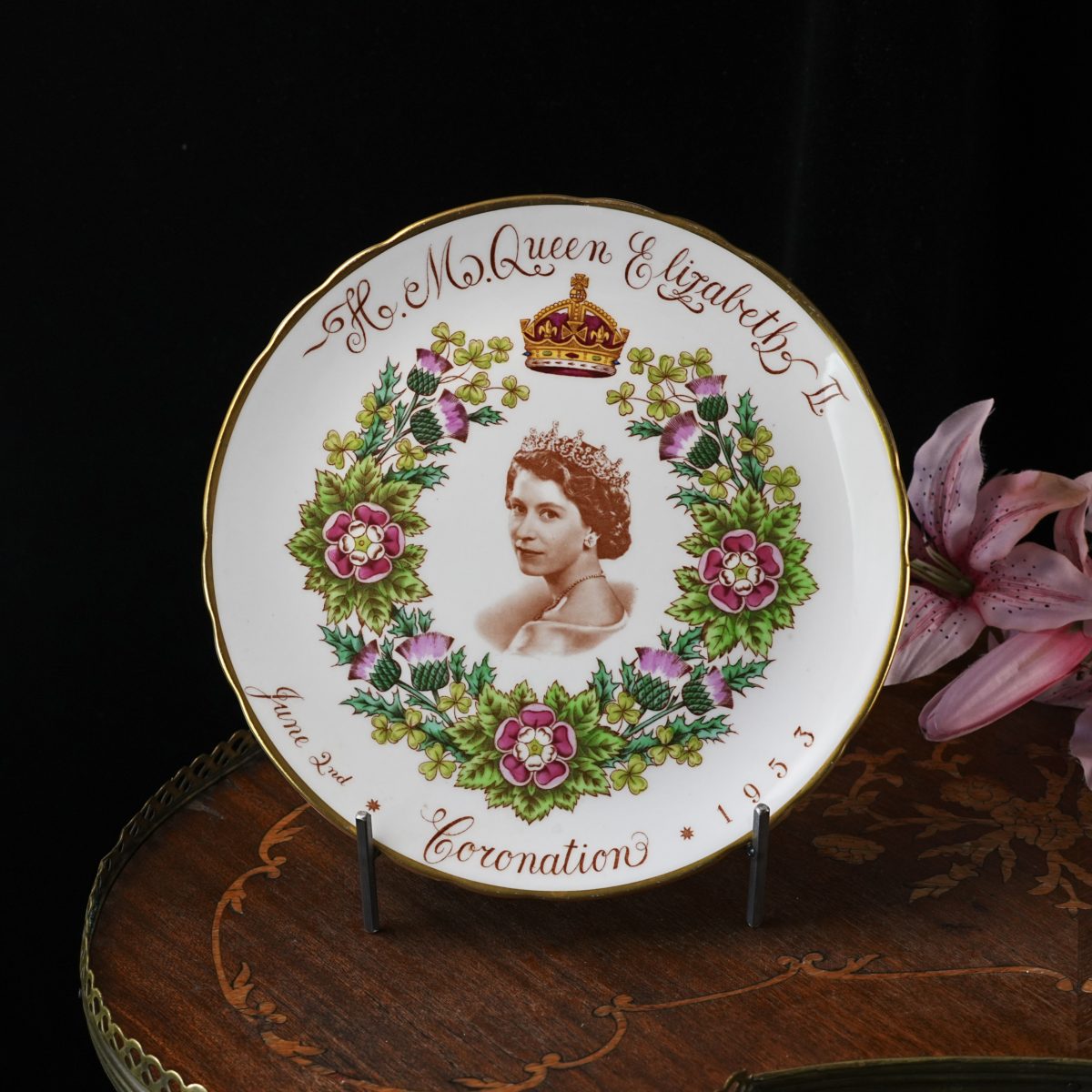 Tuscan Bone China Queen Elizabeth II Coronation Plate
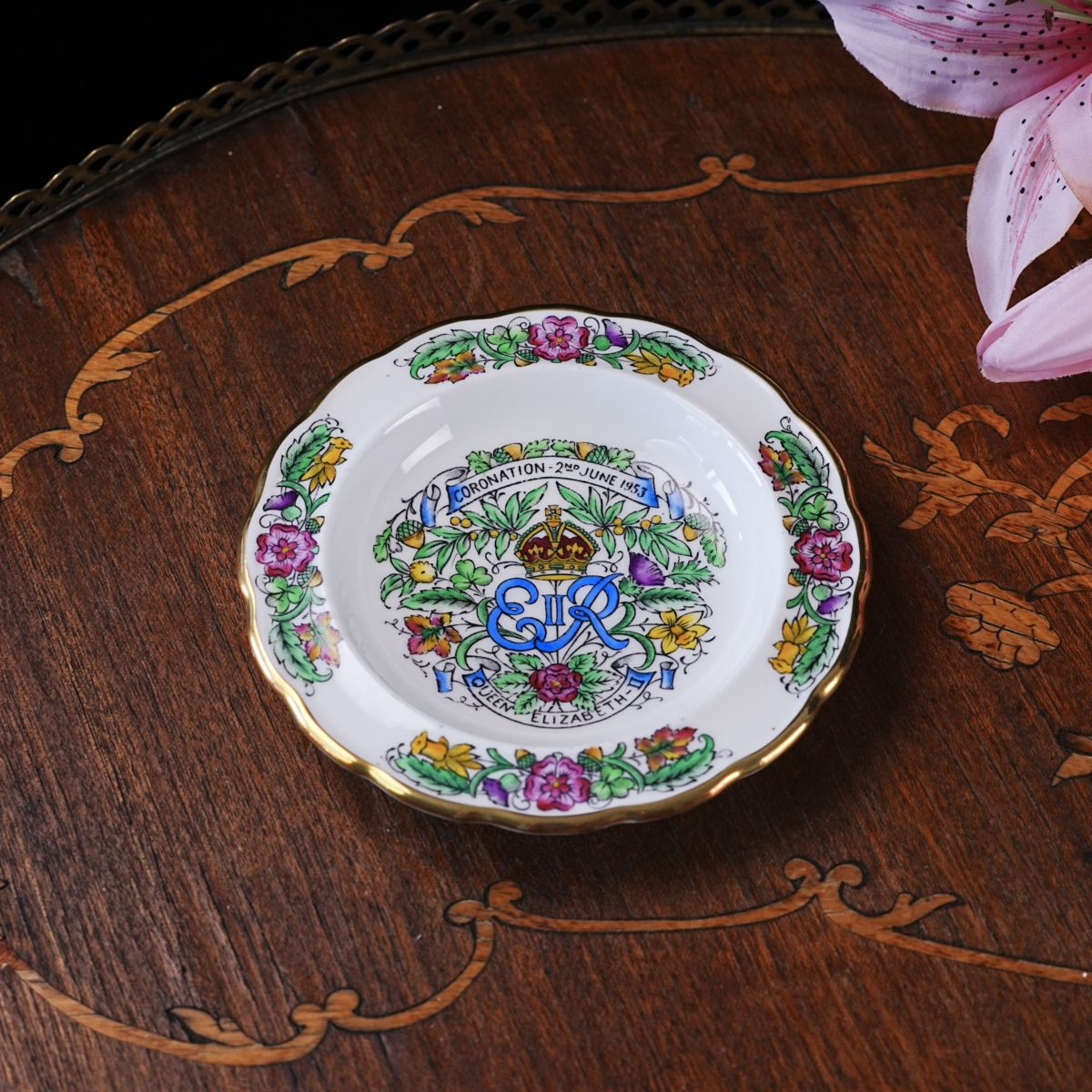 Hammersley Queen Elizabeth II Coronation Dish
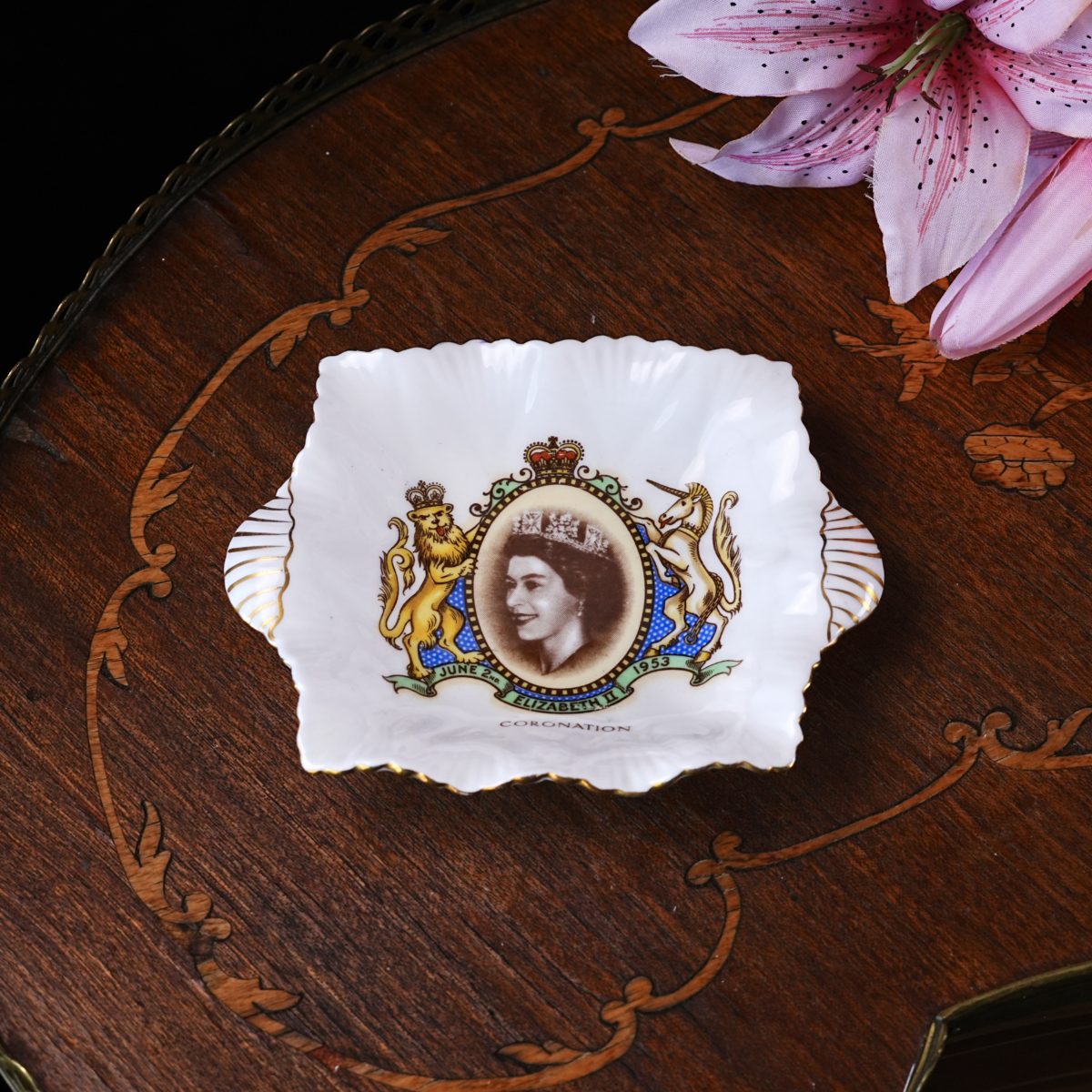 Shelley Bone China Queen Elizabeth II Coronation Dish
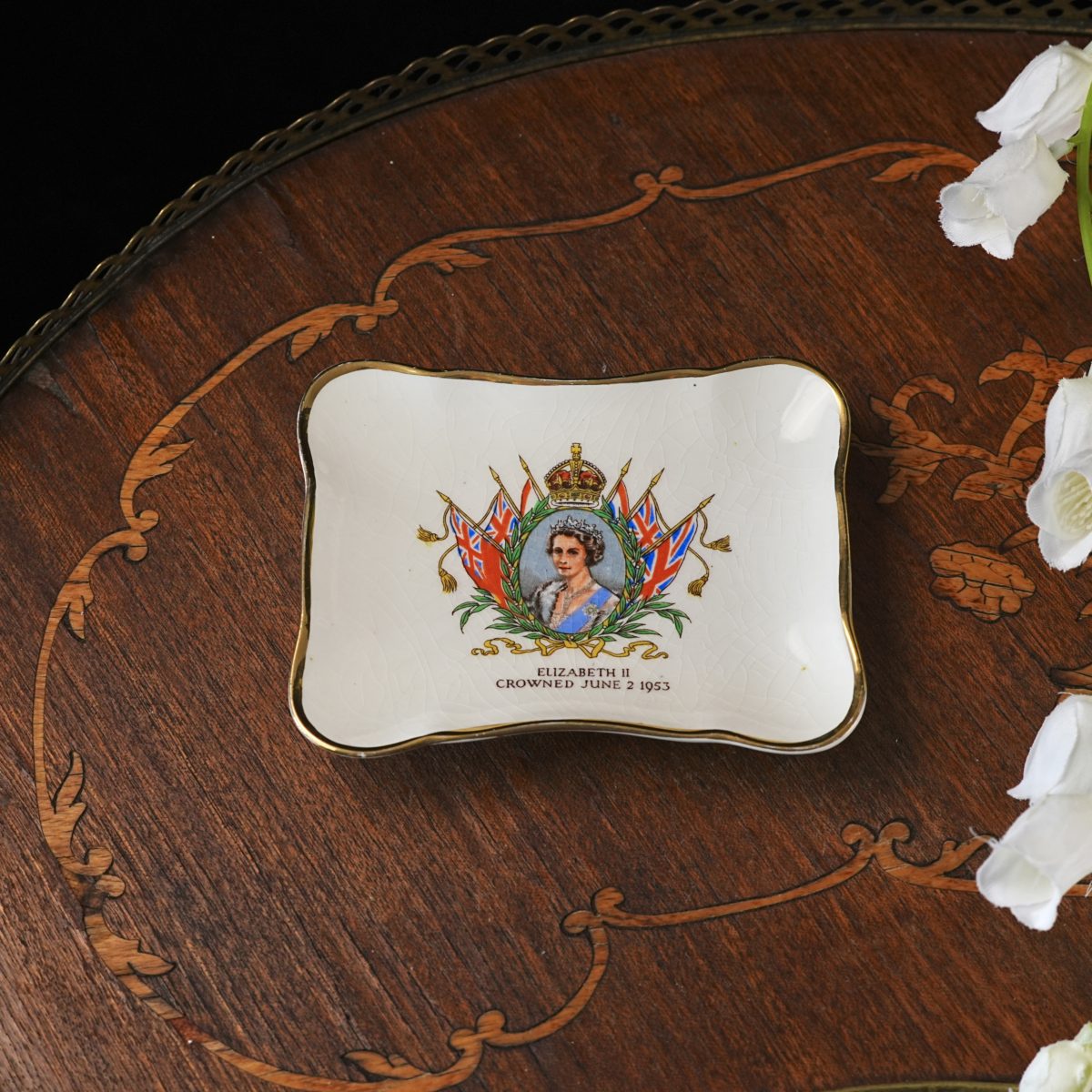 Royal Winton Queen Elizabeth II Coronation Trinket Tray
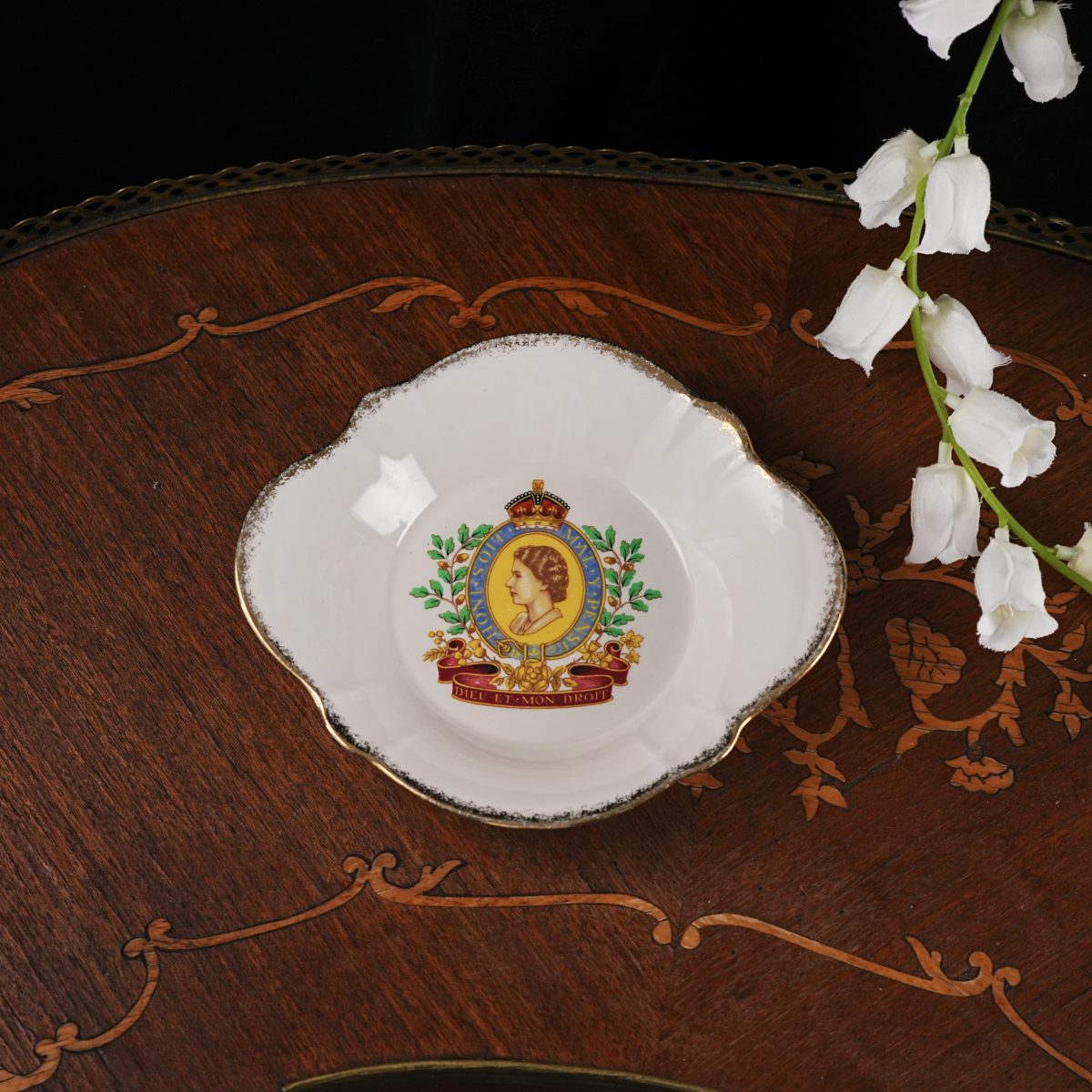 Queen Elizabeth II Coronation Sweet Dish
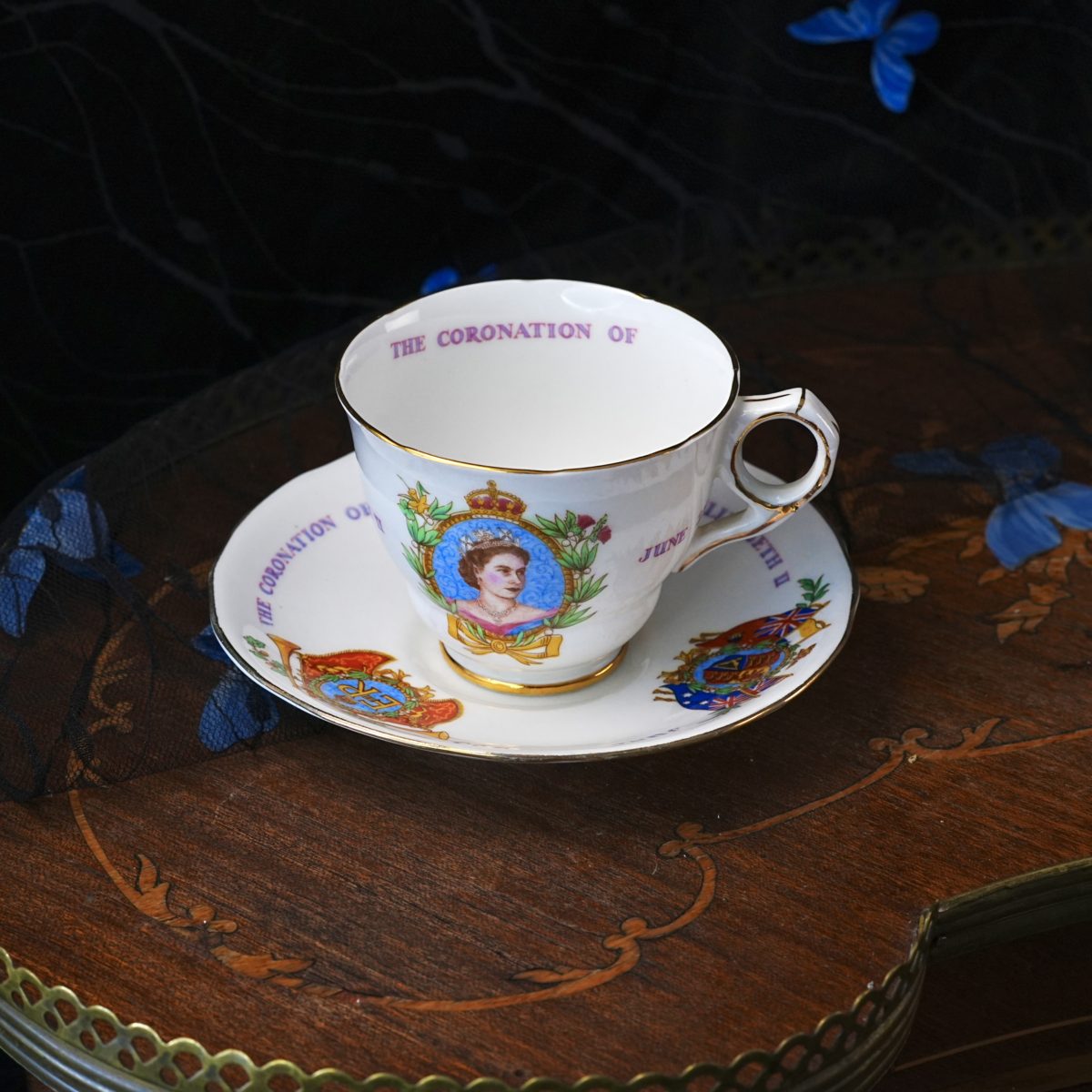 Royal Stafford Queen Elizabeth II Coronation Teacup Saucer
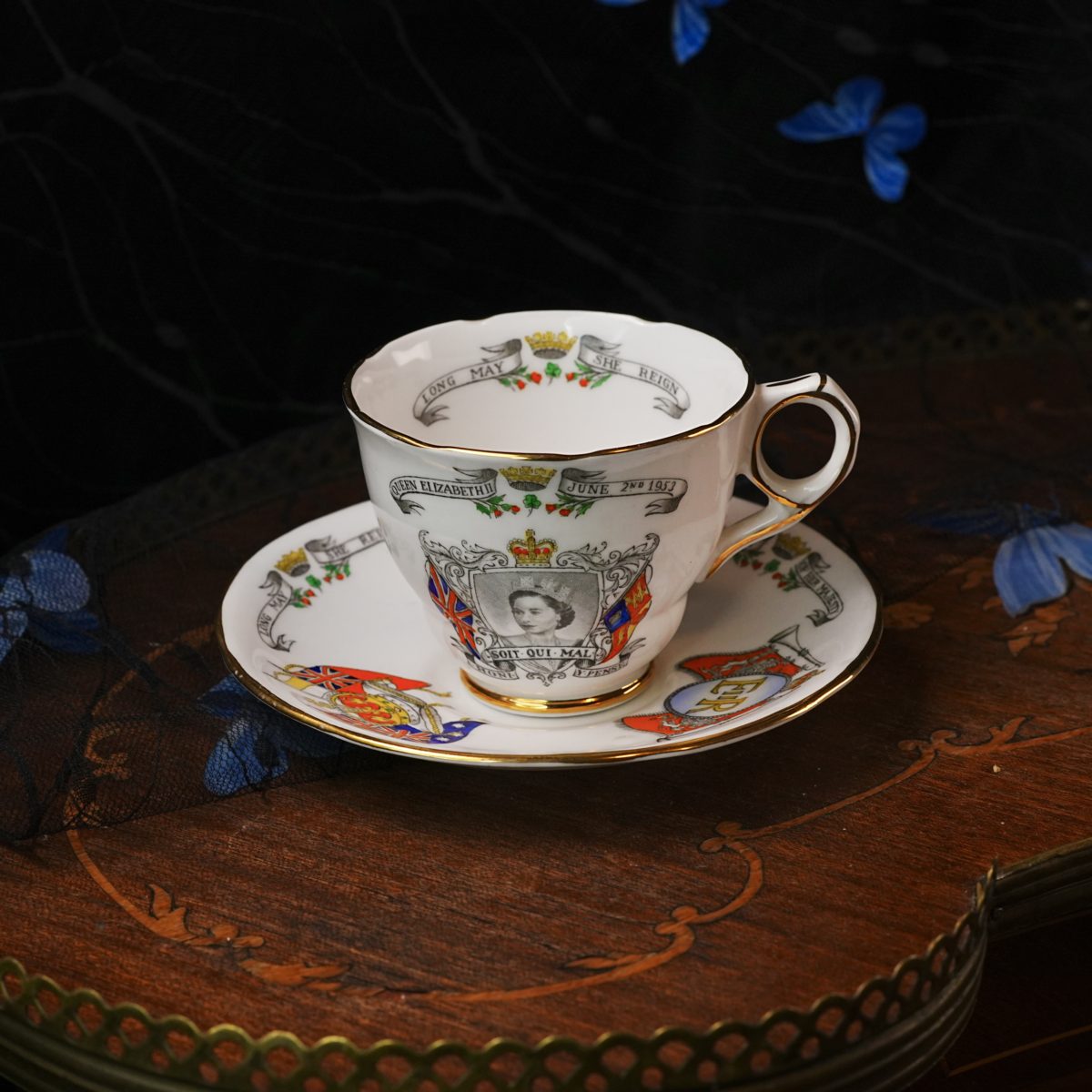 Royal Stafford Coronation Teacup Saucer Queen Elizabeth II
Investiture and silver wedding
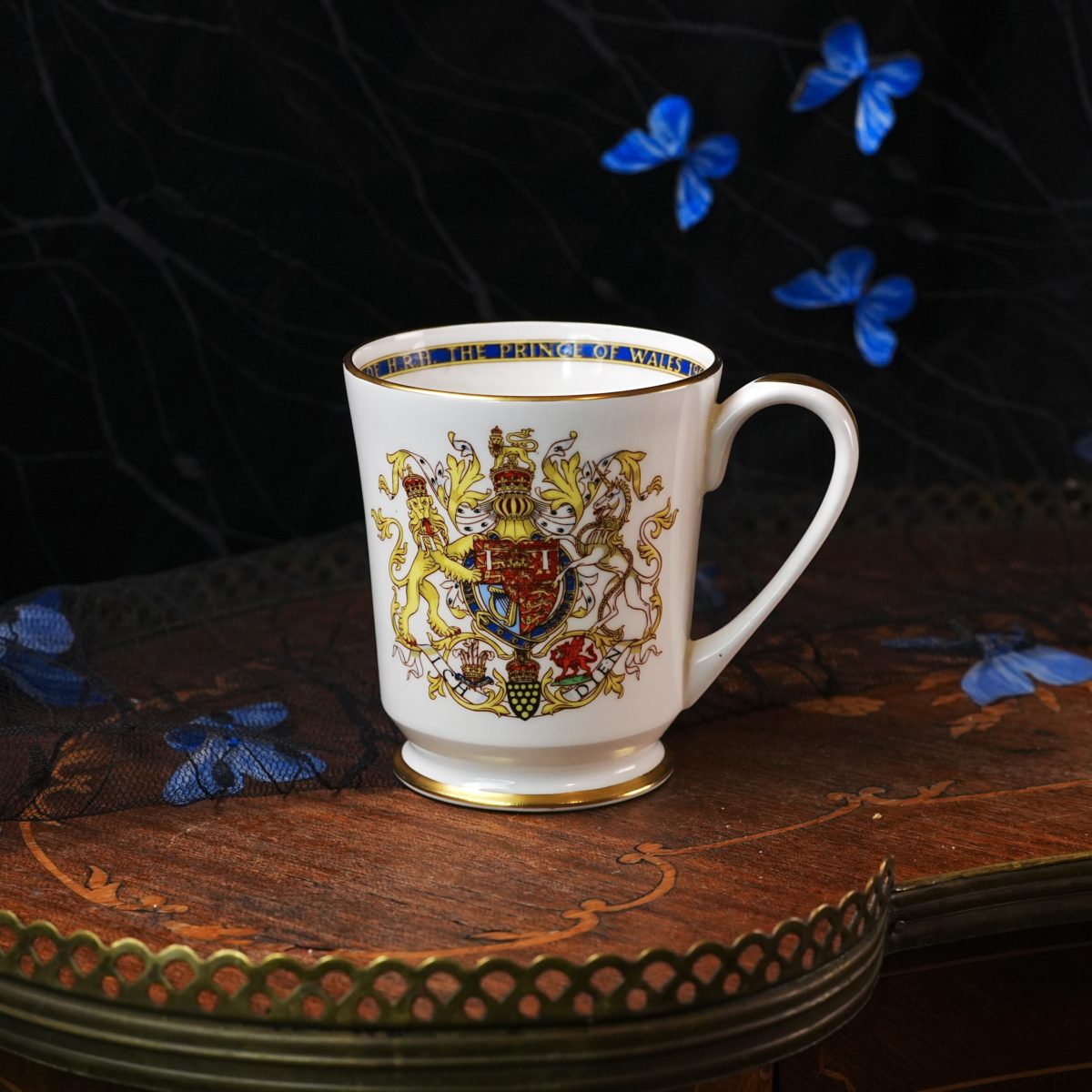
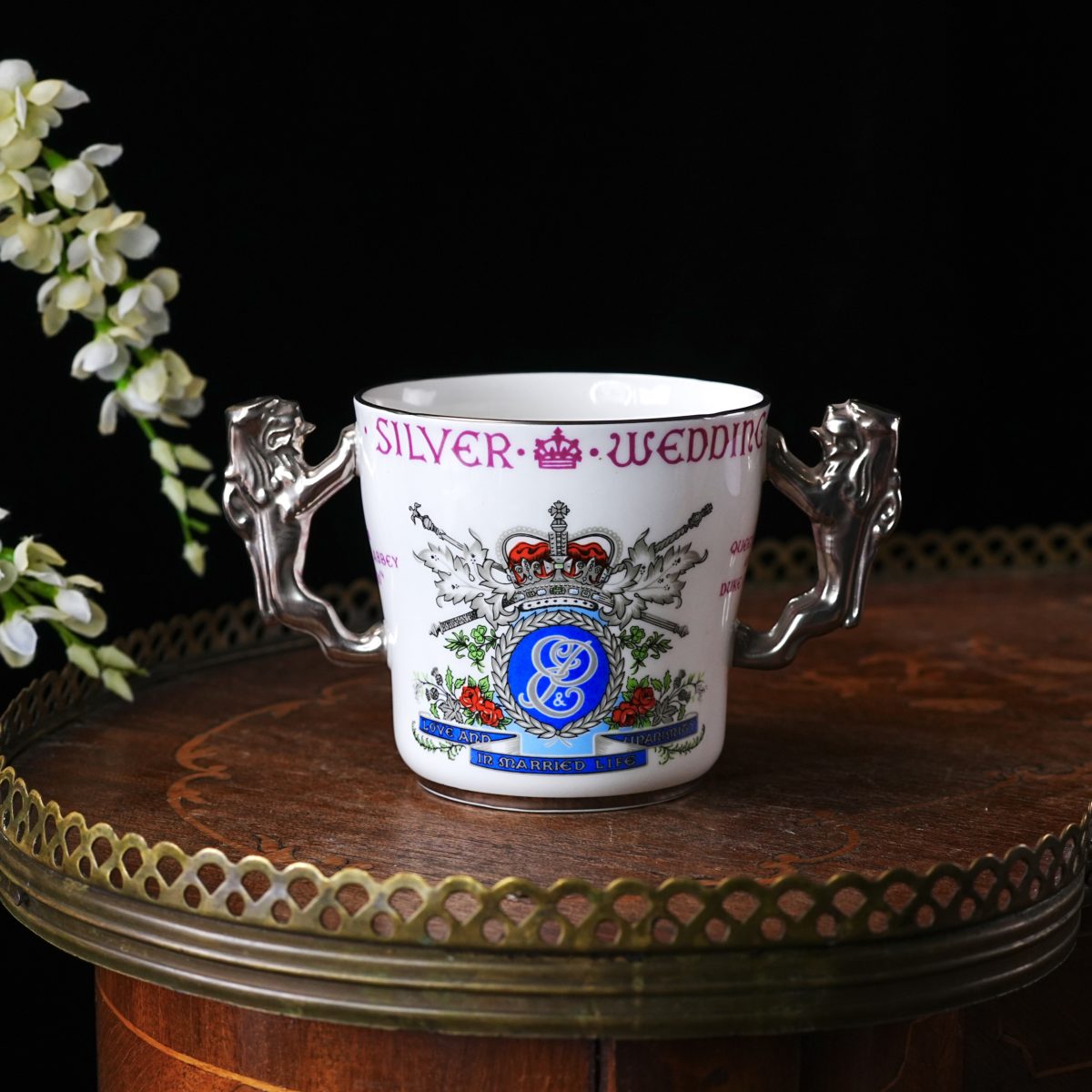
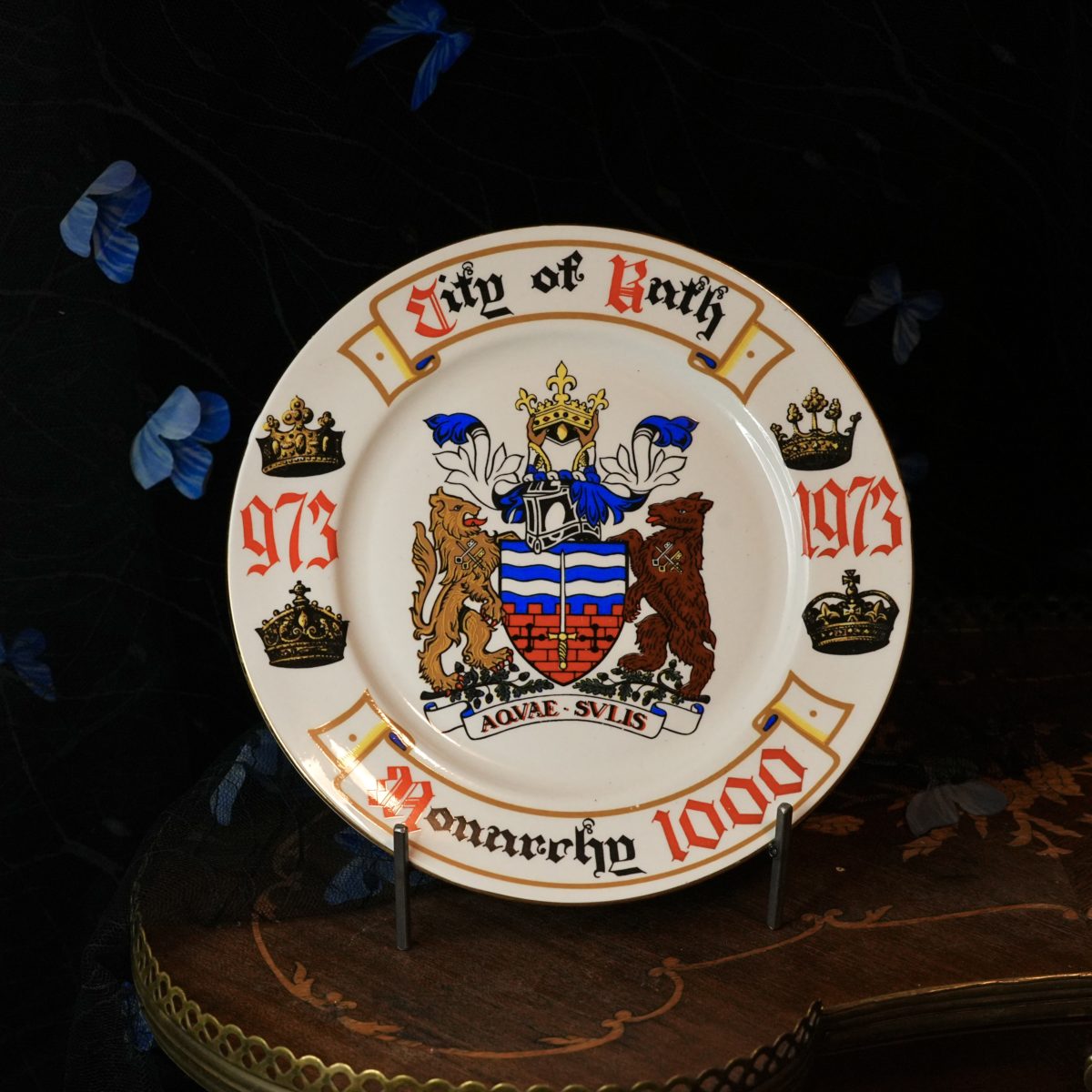
Charles was invested Prince of Wales at Caernarfon in July 1969 — Aynsley's mug prints the entire roll of princes since 1301. The Queen's silver wedding followed in November 1972, and civic one-offs like Bath's “Monarchy 1000” kept the commemorative habit inventive.
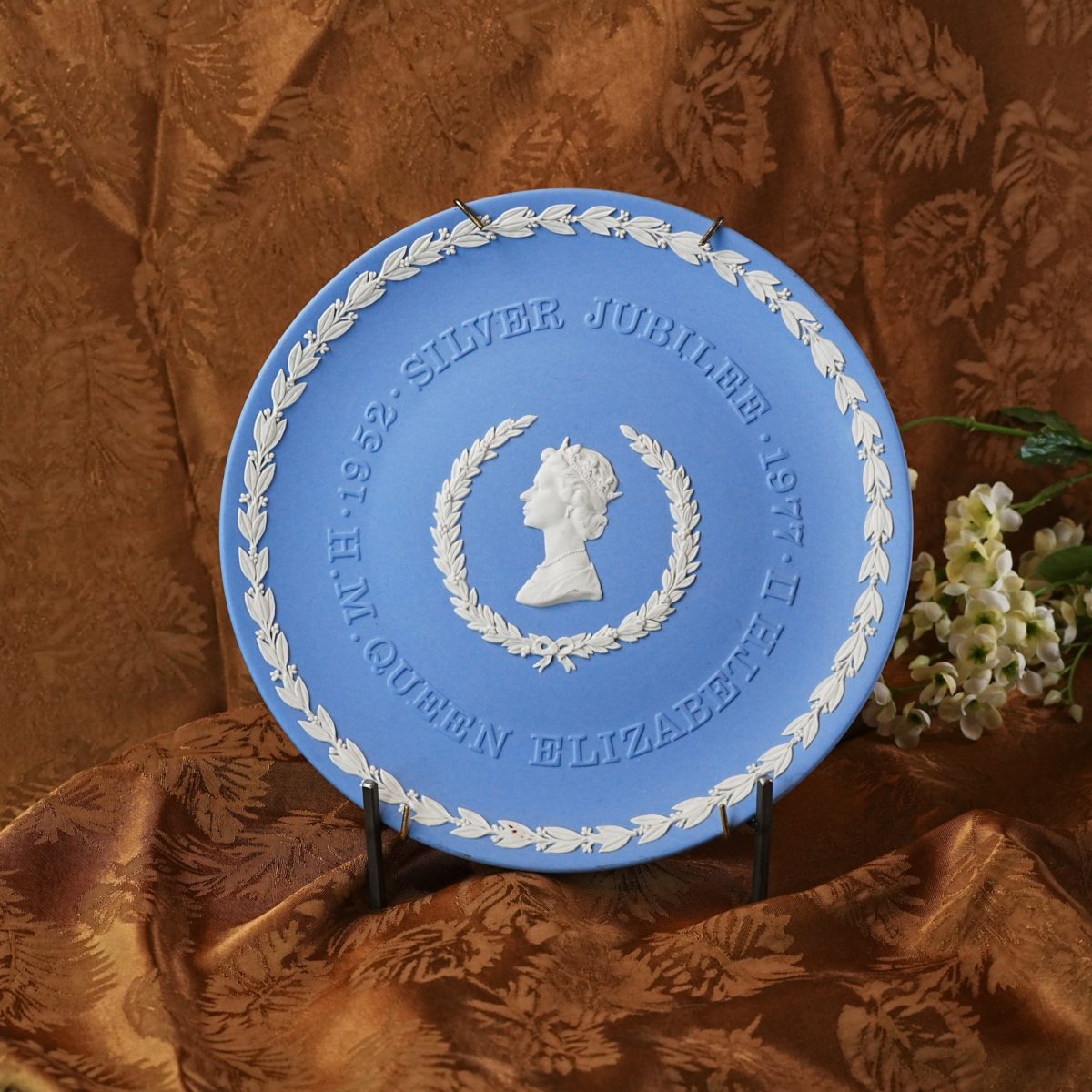
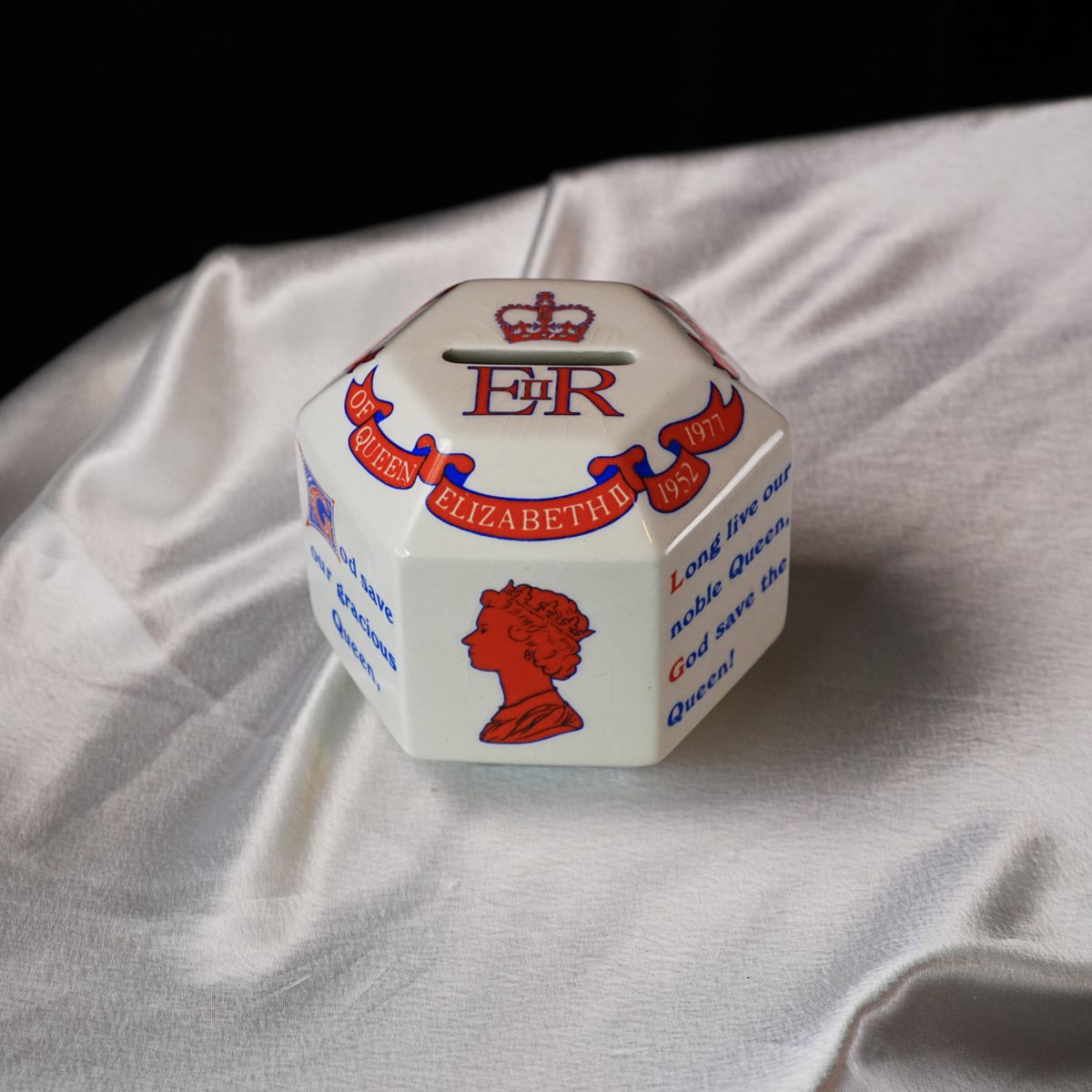
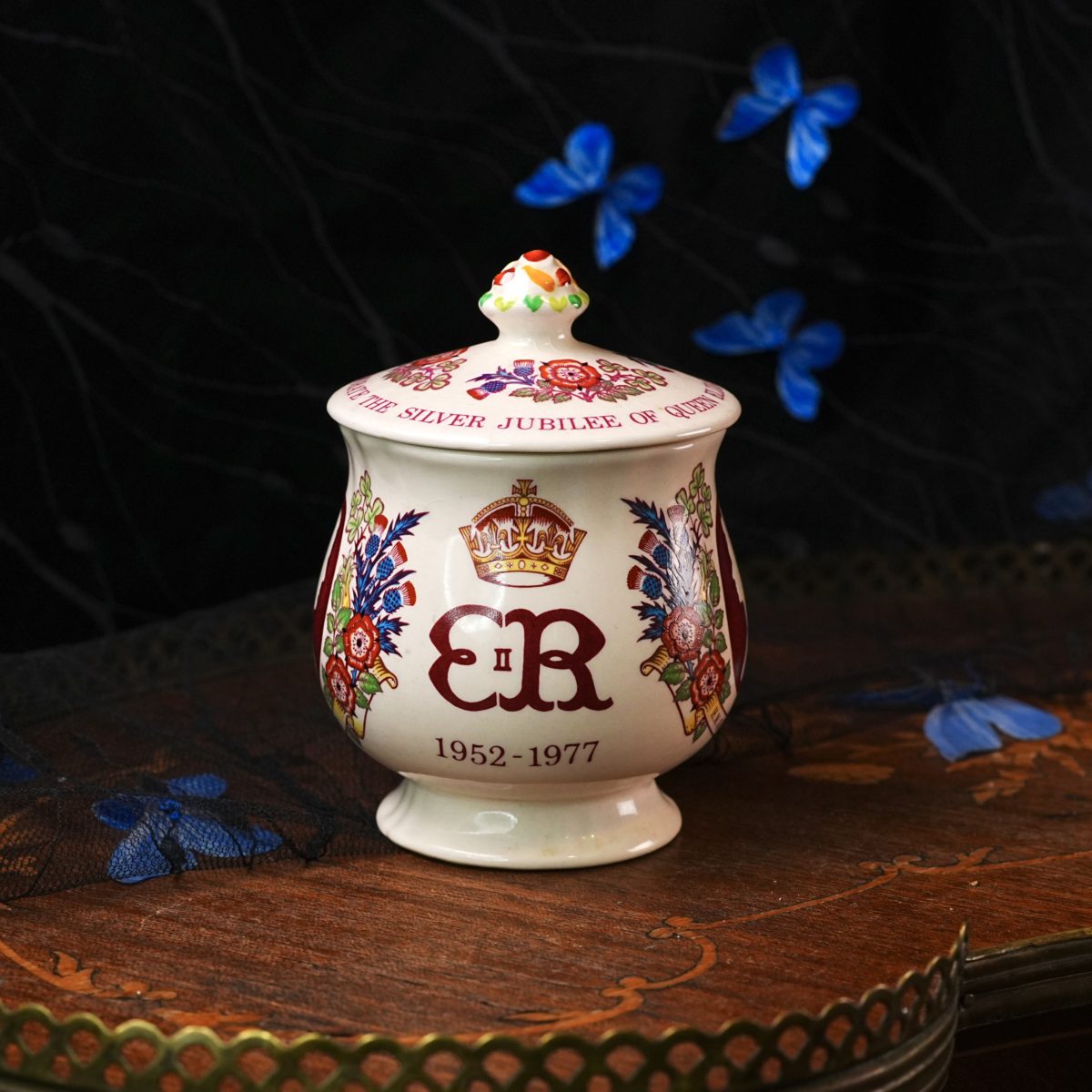
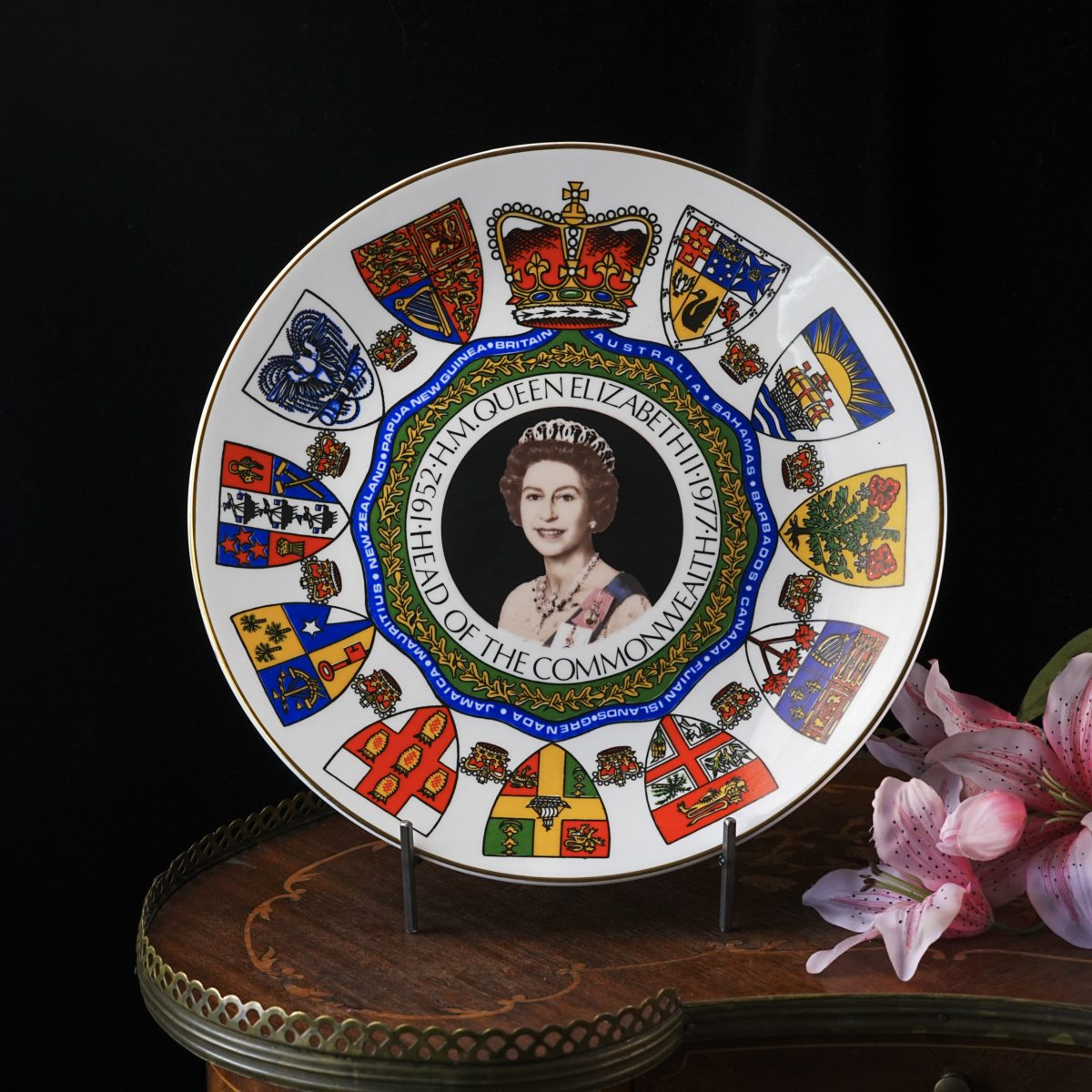
The Silver Jubilee
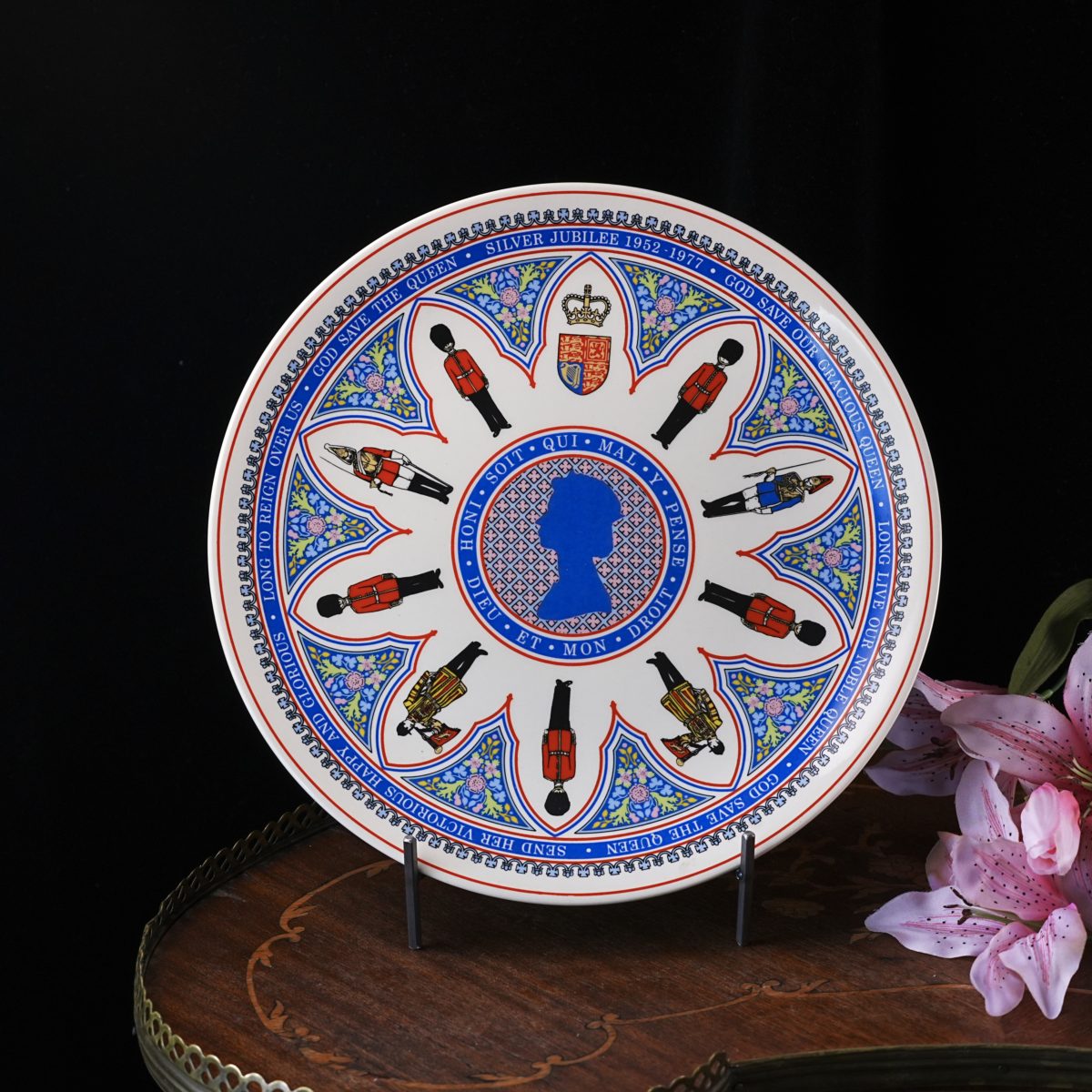
Twenty-five years of Elizabeth II, marked with street parties across Britain and the Commonwealth. The range of objects tells you how big it was — Wedgwood jasper plates (including an Ottawa visit issue), Mason's ironstone, even a child's money box.
The Queen Mother's 80th and the wedding of the century
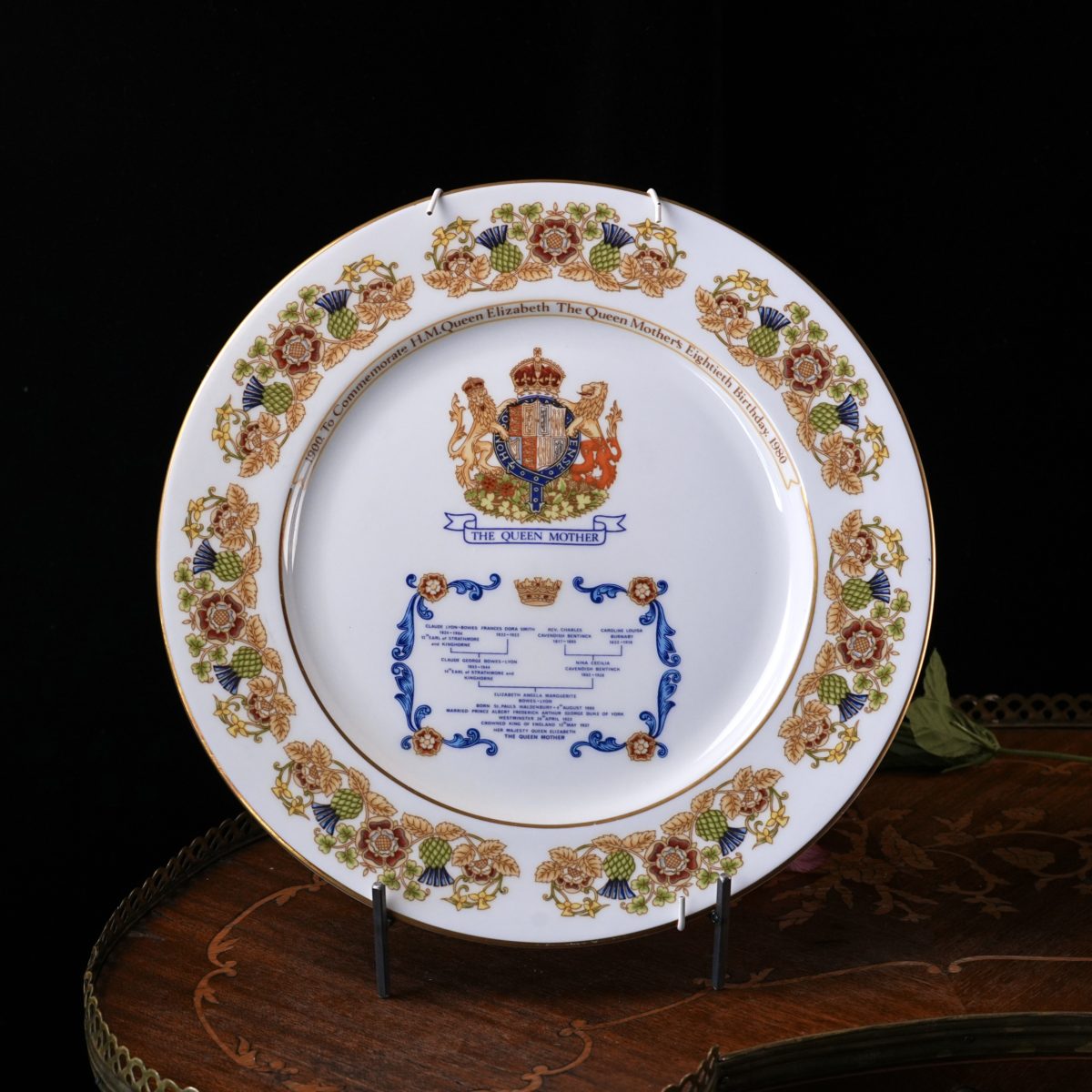
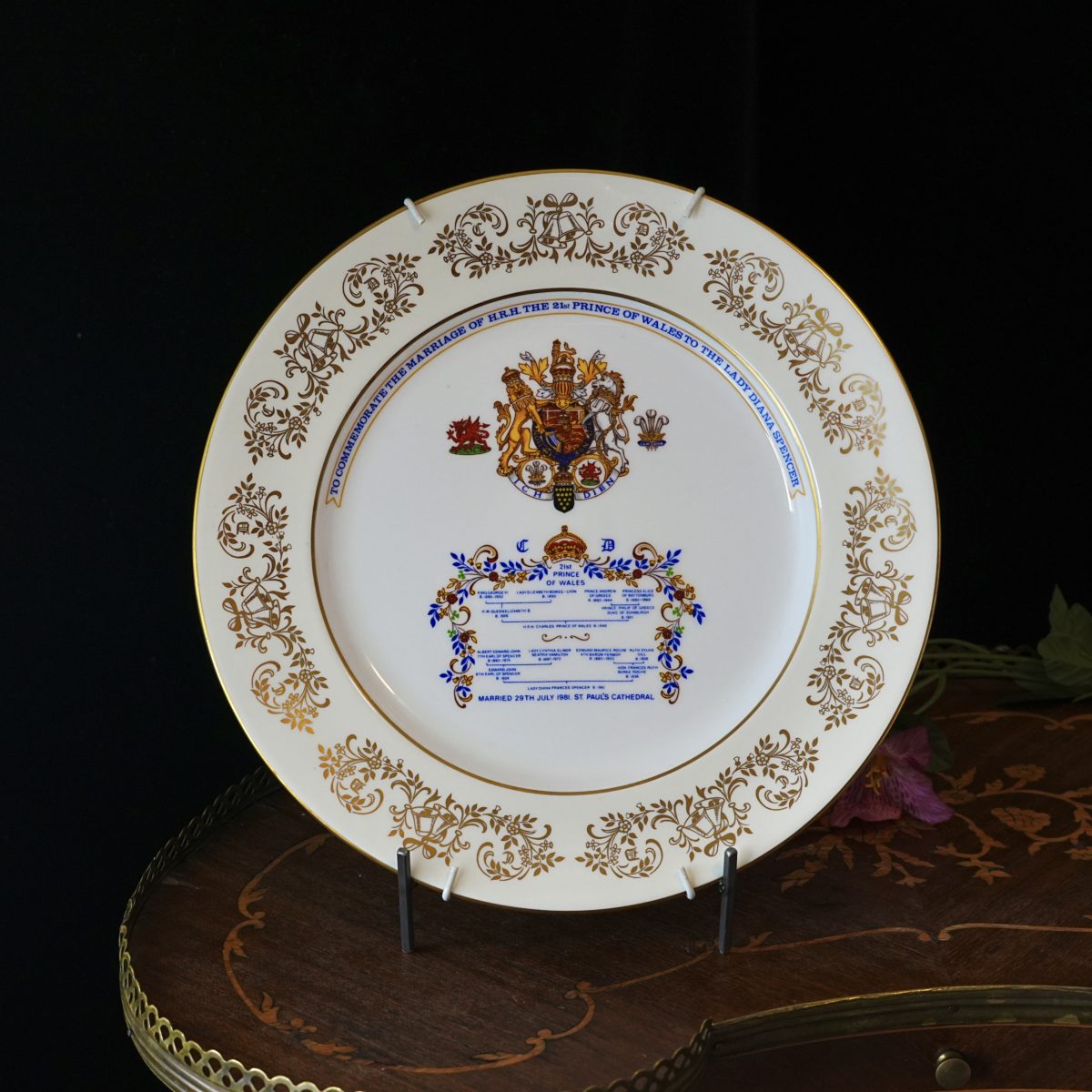
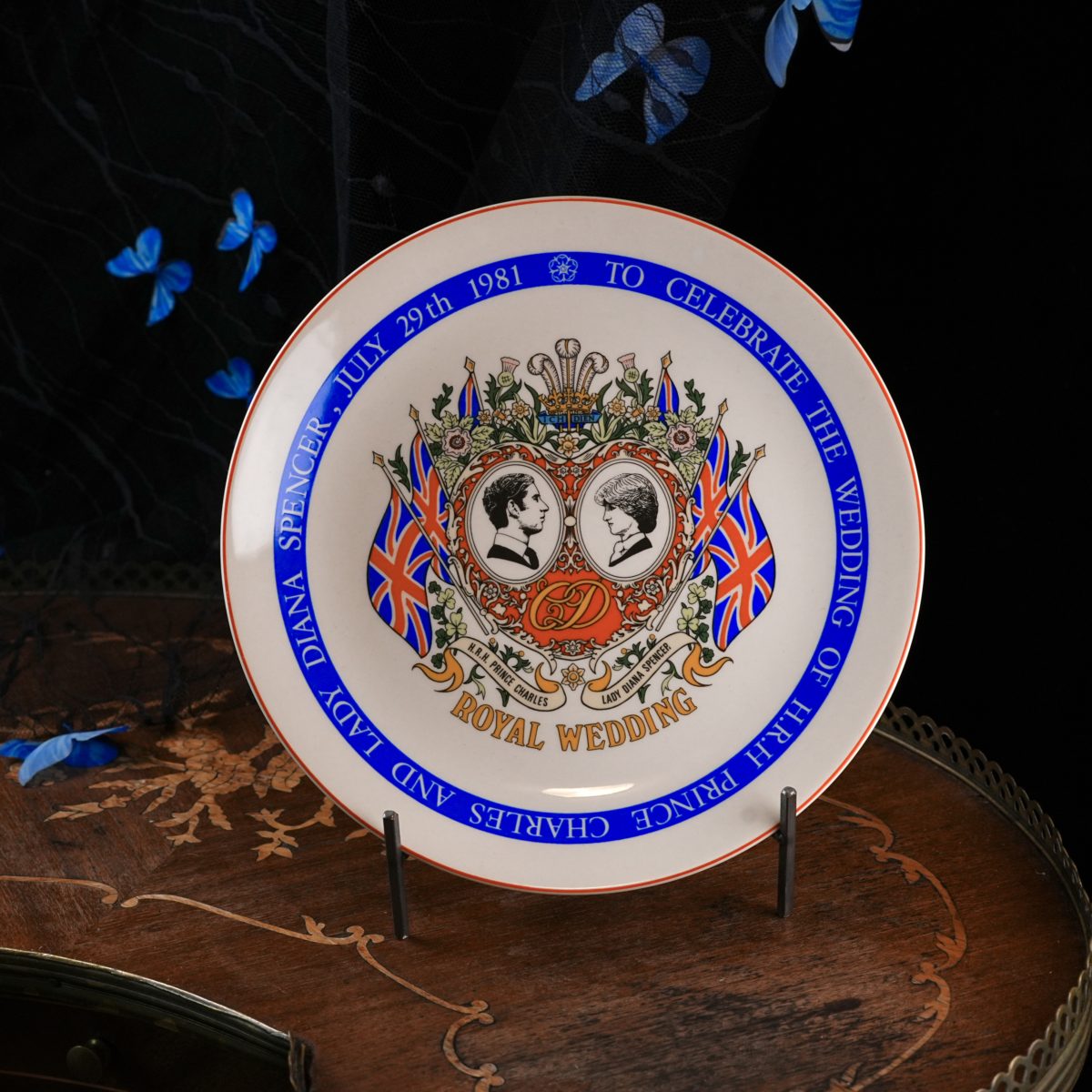
Two family occasions back to back: the Queen Mother's 80th birthday in 1980, and the wedding of Charles and Lady Diana Spencer in July 1981 — the biggest commemorative issue since the coronation, from Wedgwood jasper to Aynsley bone china.
Anniversaries — and a tunnel
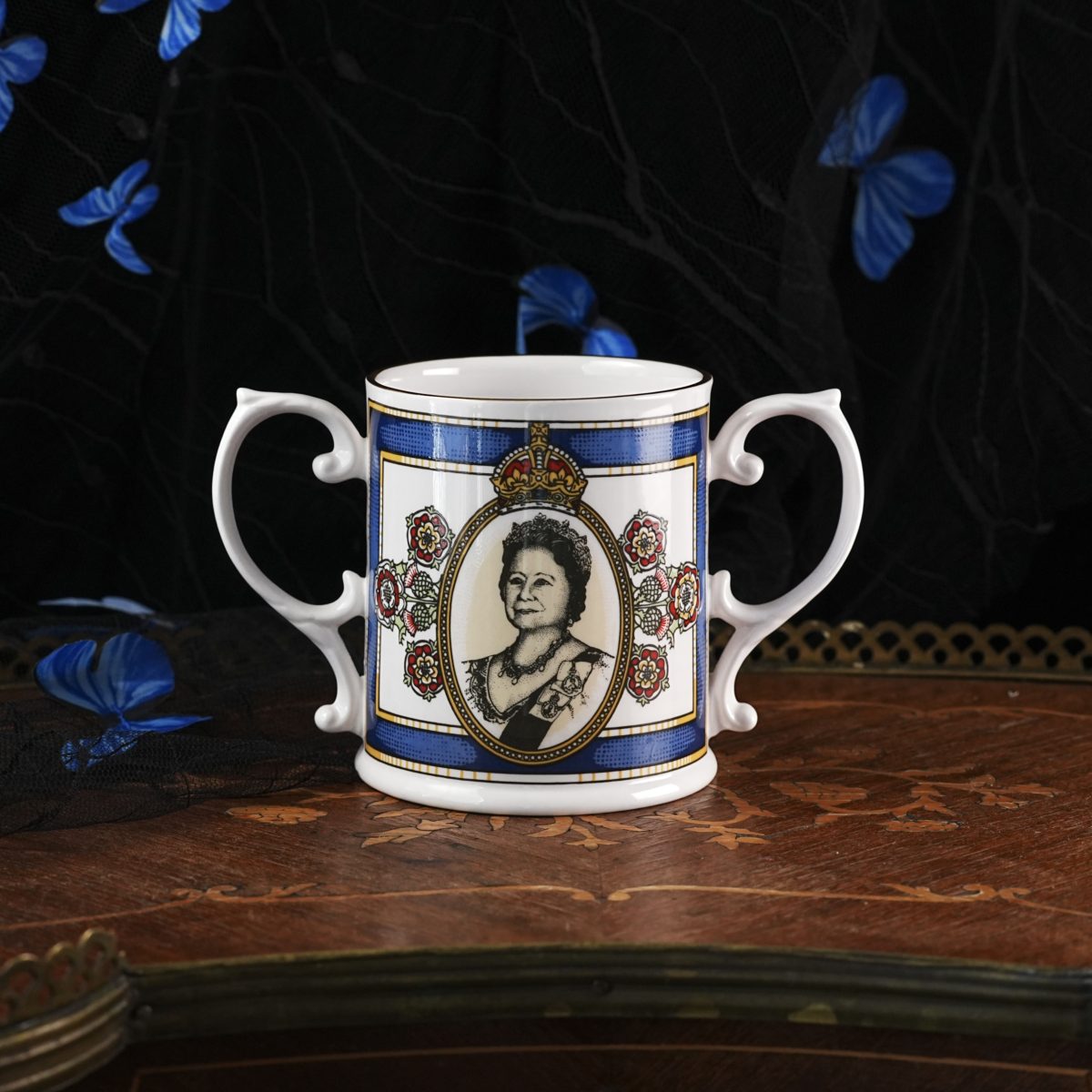
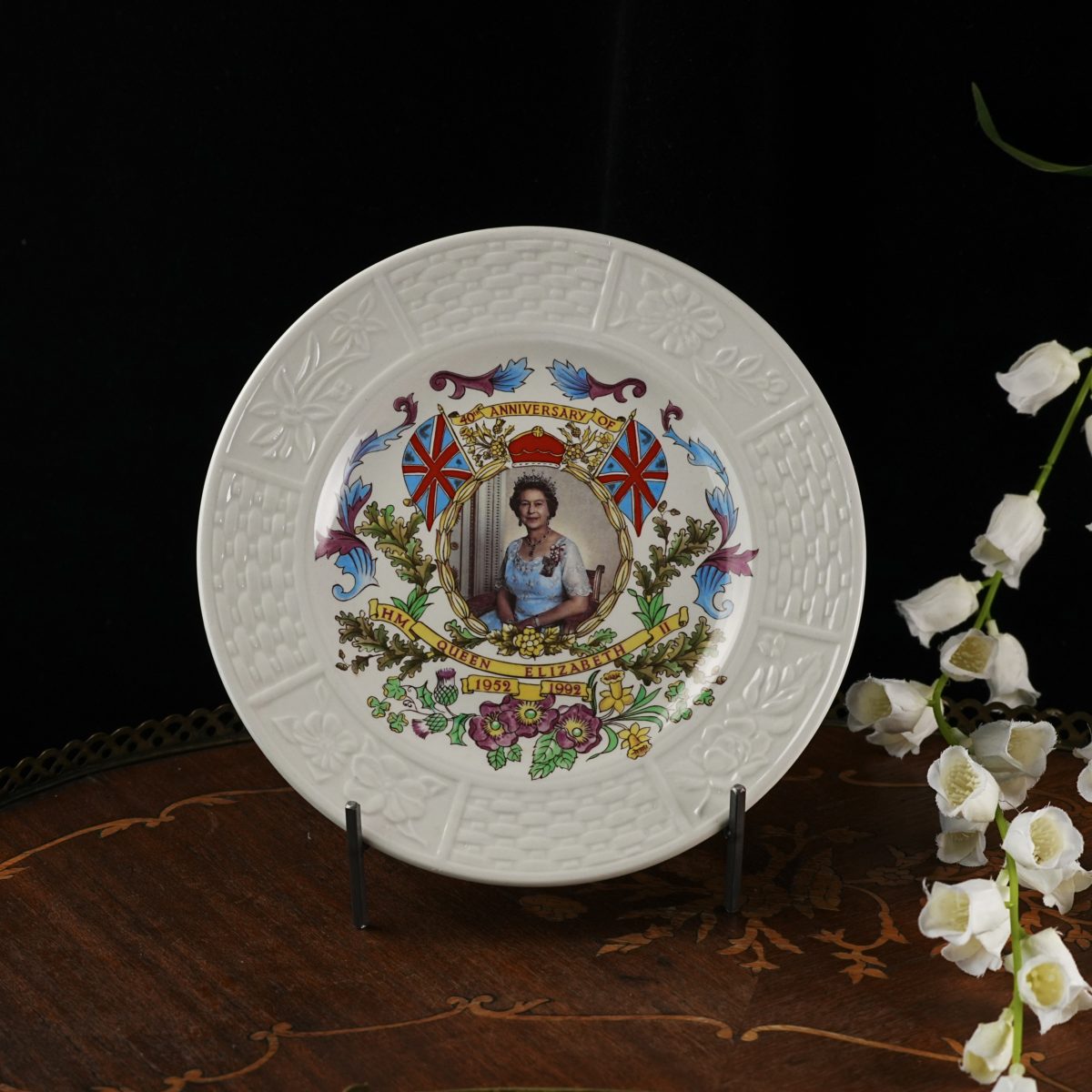
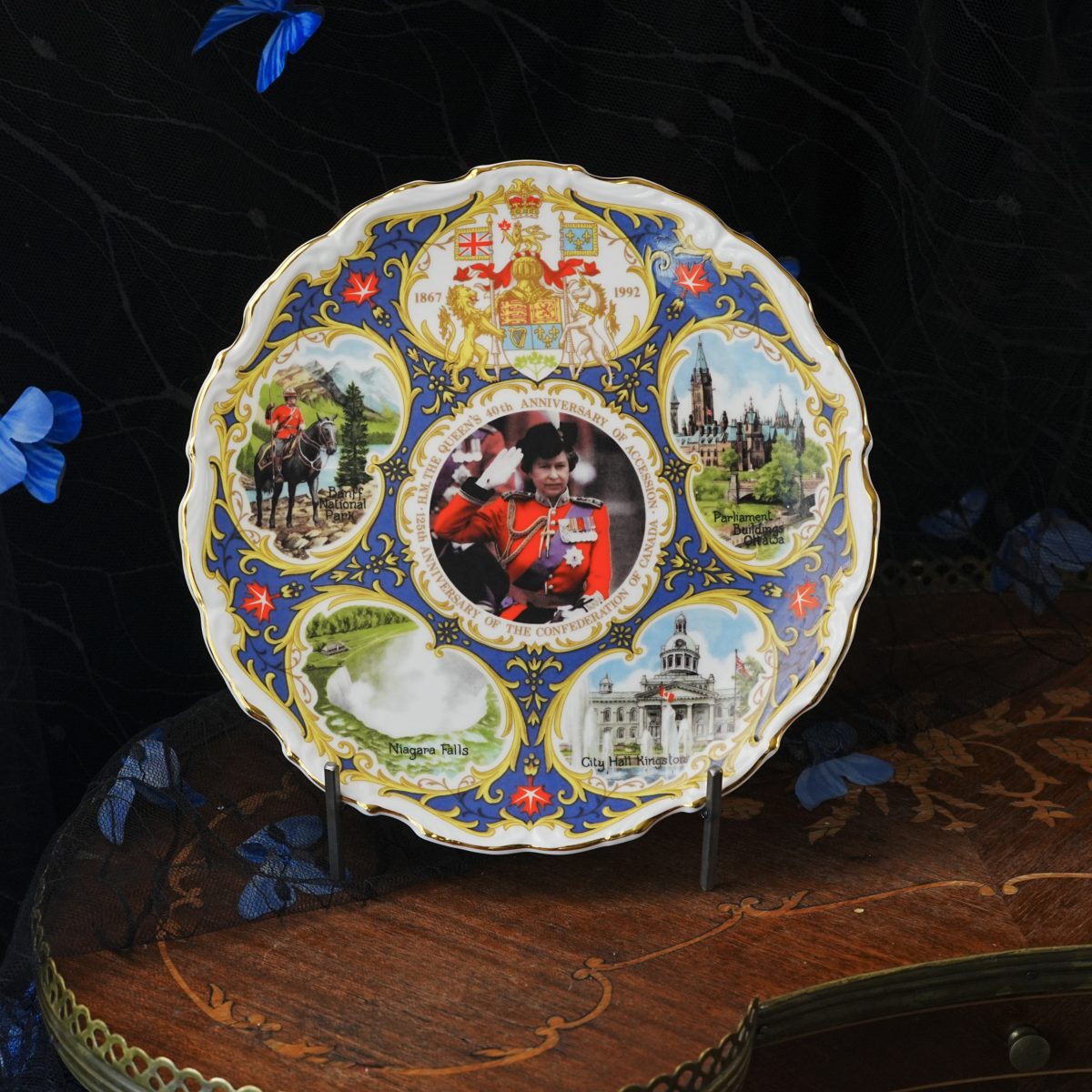
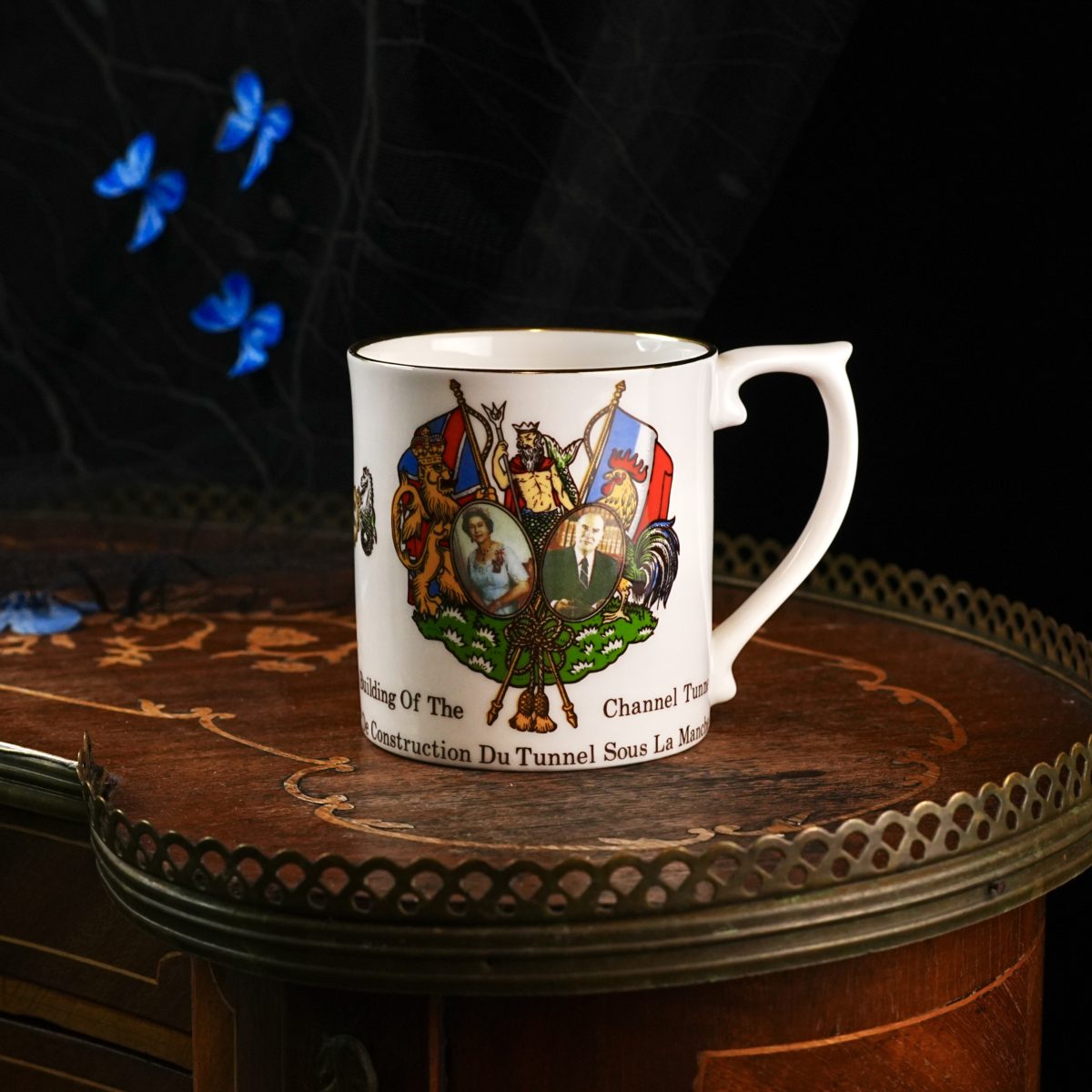
The Queen Mother's 90th in 1990, forty years on the throne in 1992 (the year Canada also marked its 125th), and — proof that commemoratives never stopped following the news — the opening of the Channel Tunnel in 1994.
The Golden Jubilee and after
Fifty years of Elizabeth II in 2002 brought official Royal Collection issues, grand loving cups — Paragon's lion handles revived — and merchants' pieces like the Ringtons tankard; her 80th birthday followed in 2006. The tradition begun in 1887 was still going strong well over a century on.
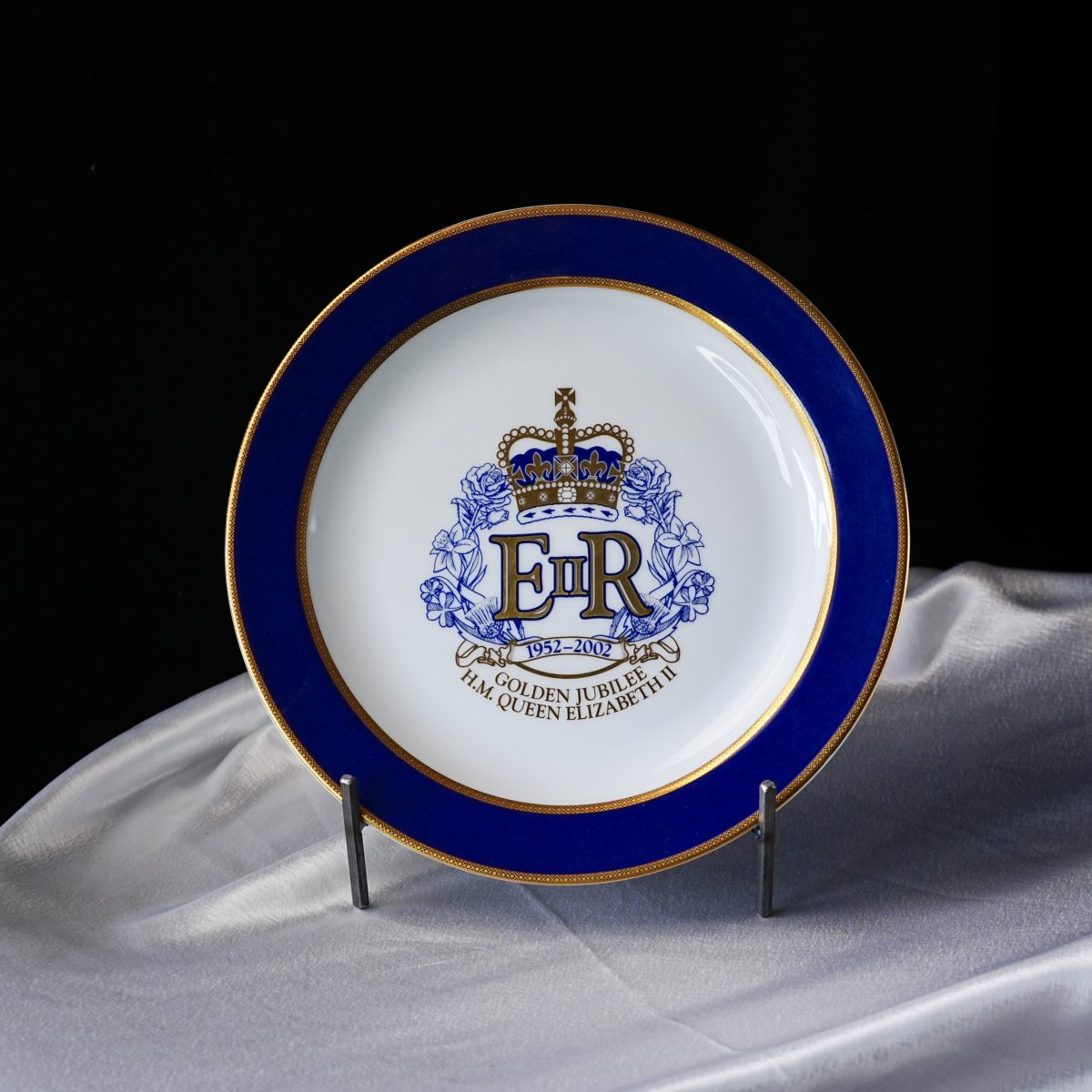 Queen Elizabeth II Golden Jubilee Plate
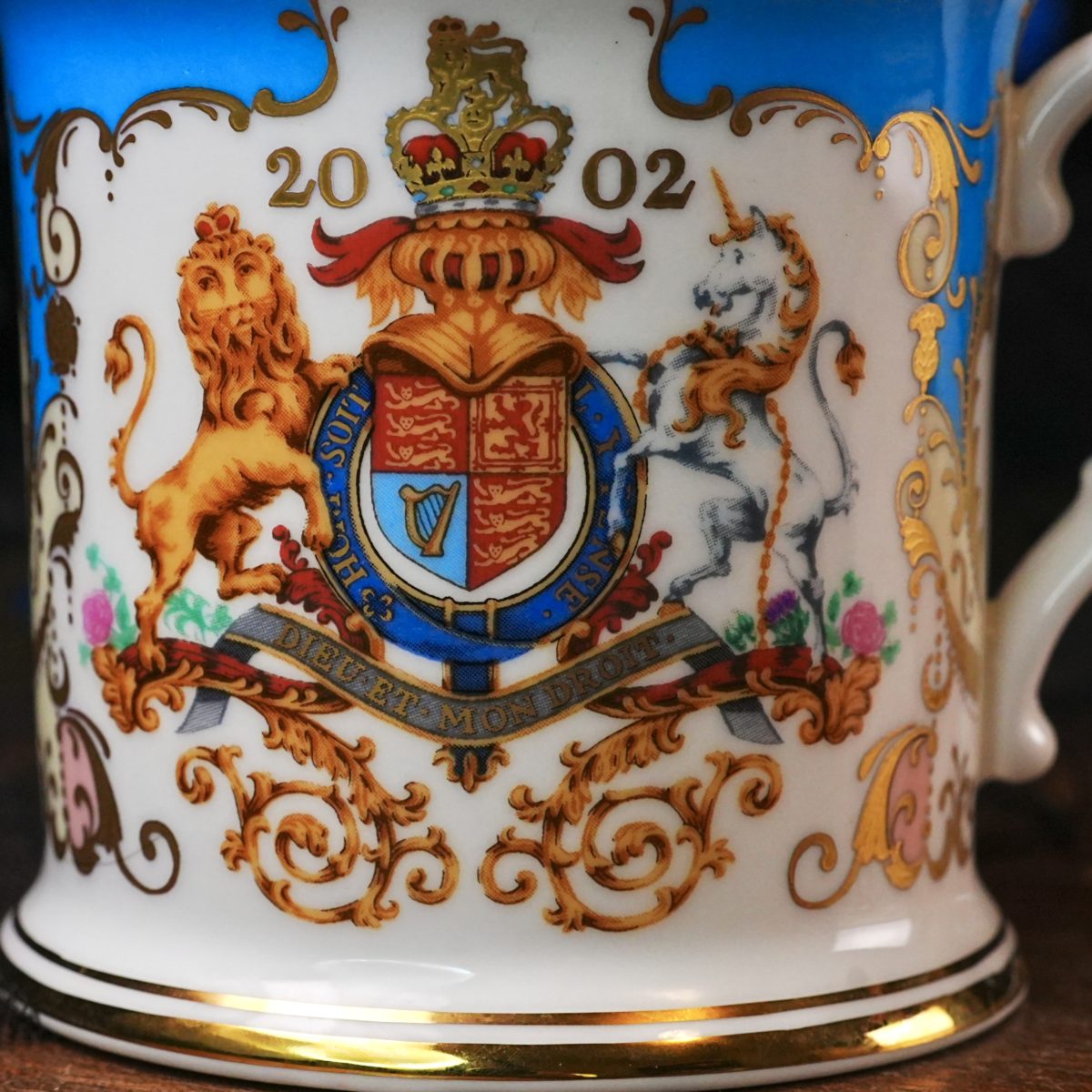 Royal Collection Golden Jubilee Mug Queen Elizabeth II
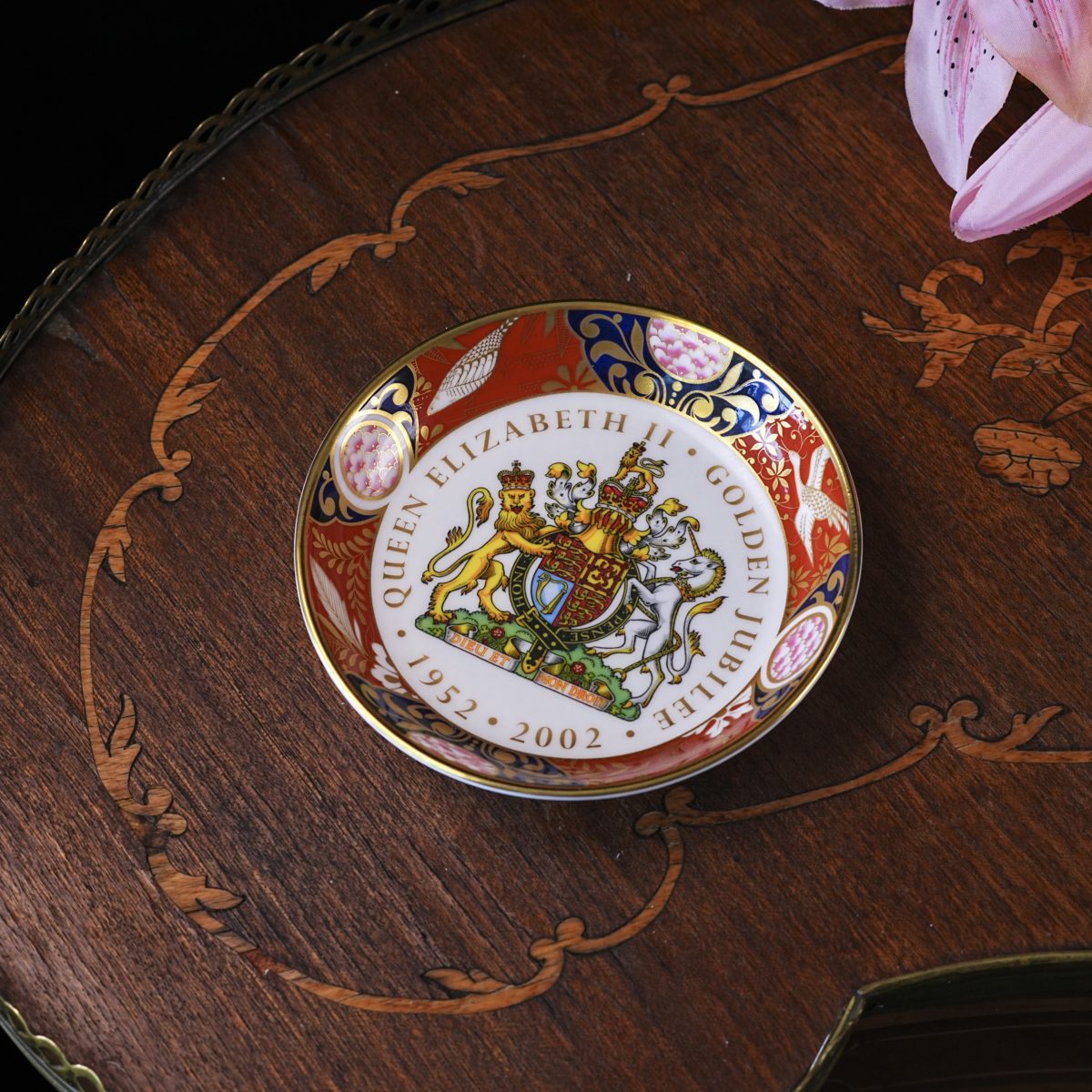 Royal Worcester Queen Elizabeth II Golden Jubilee Dish
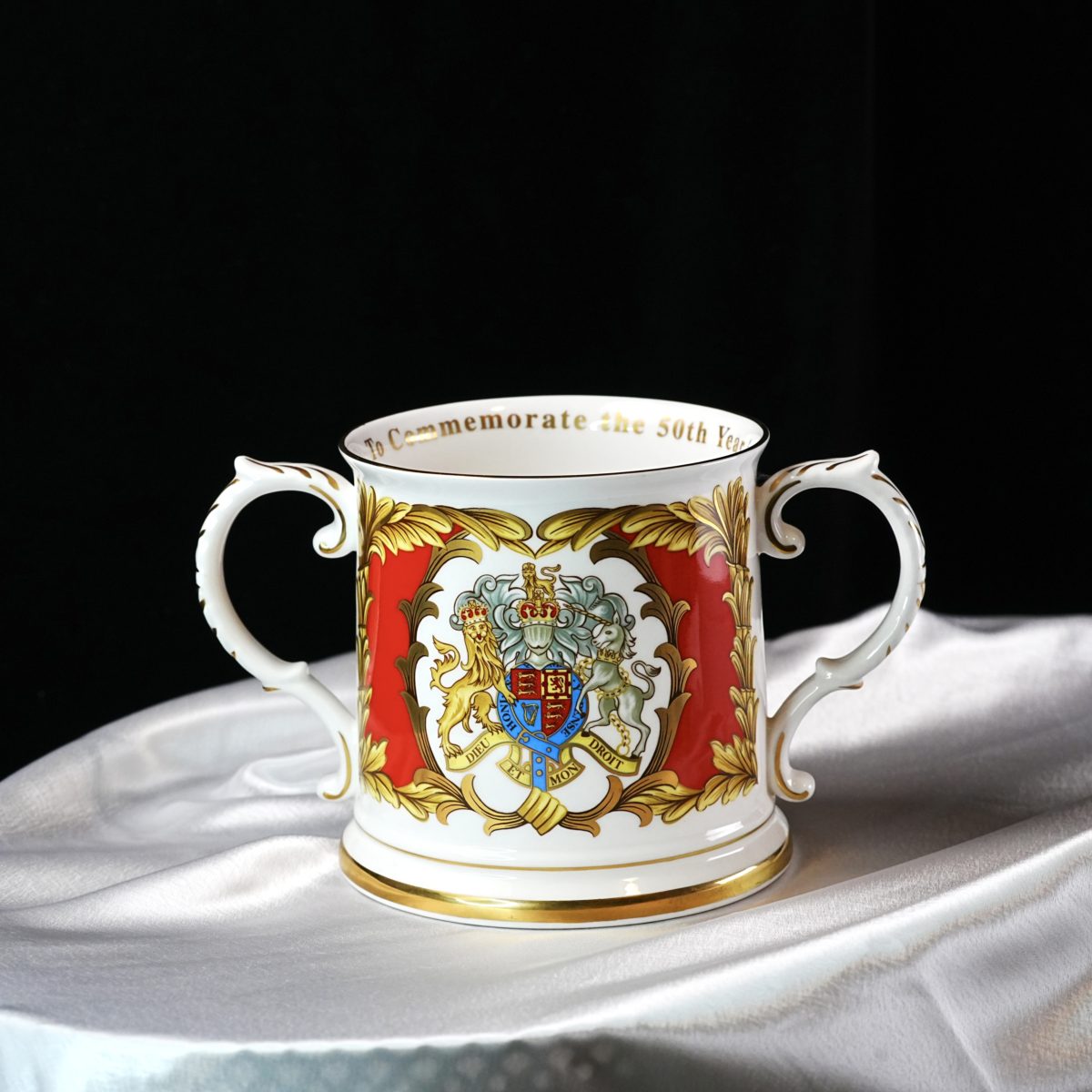 Royale Stratford Queen Elizabeth II Golden Jubilee Loving Cup
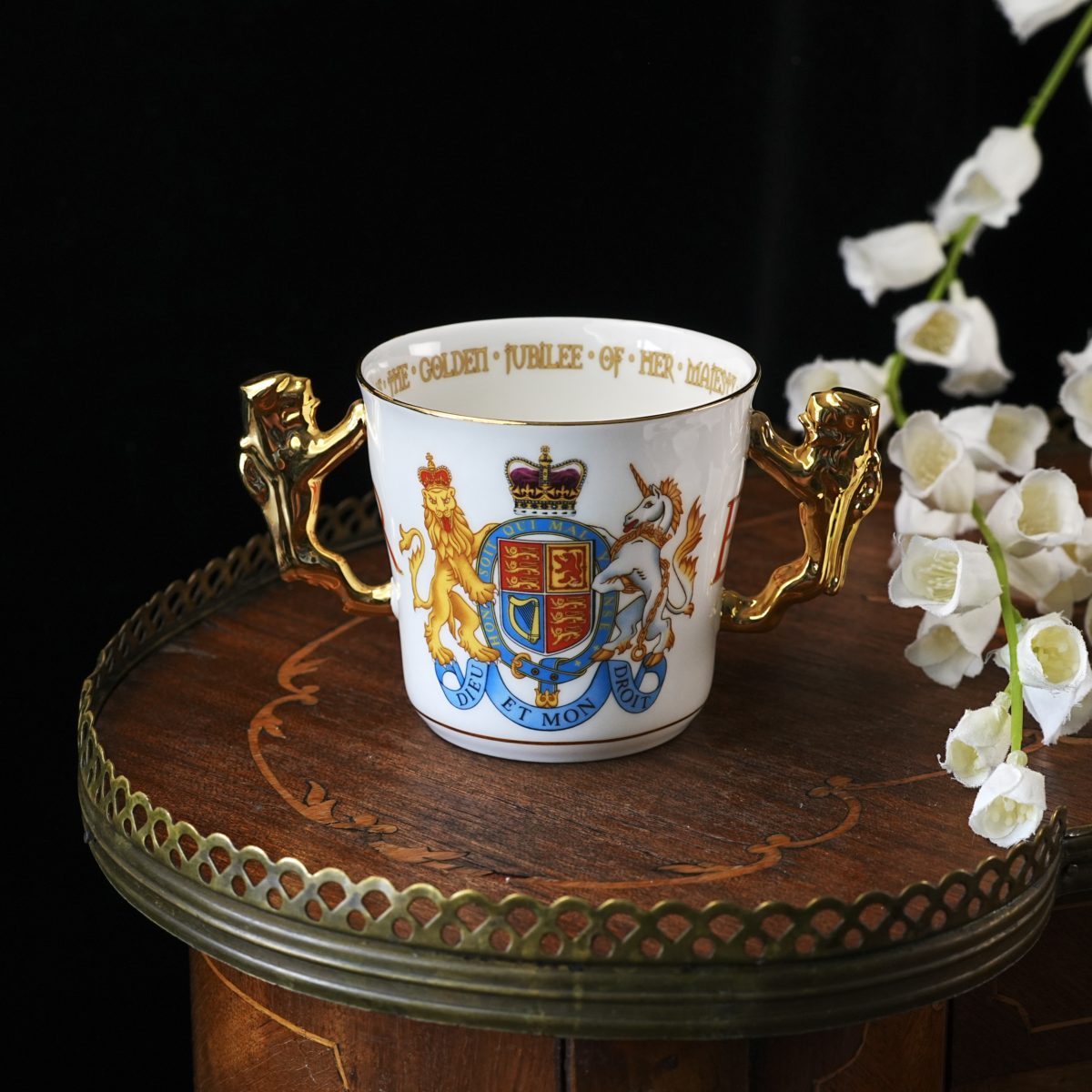 Paragon Queen Elizabeth II Golden Jubilee Loving Cup
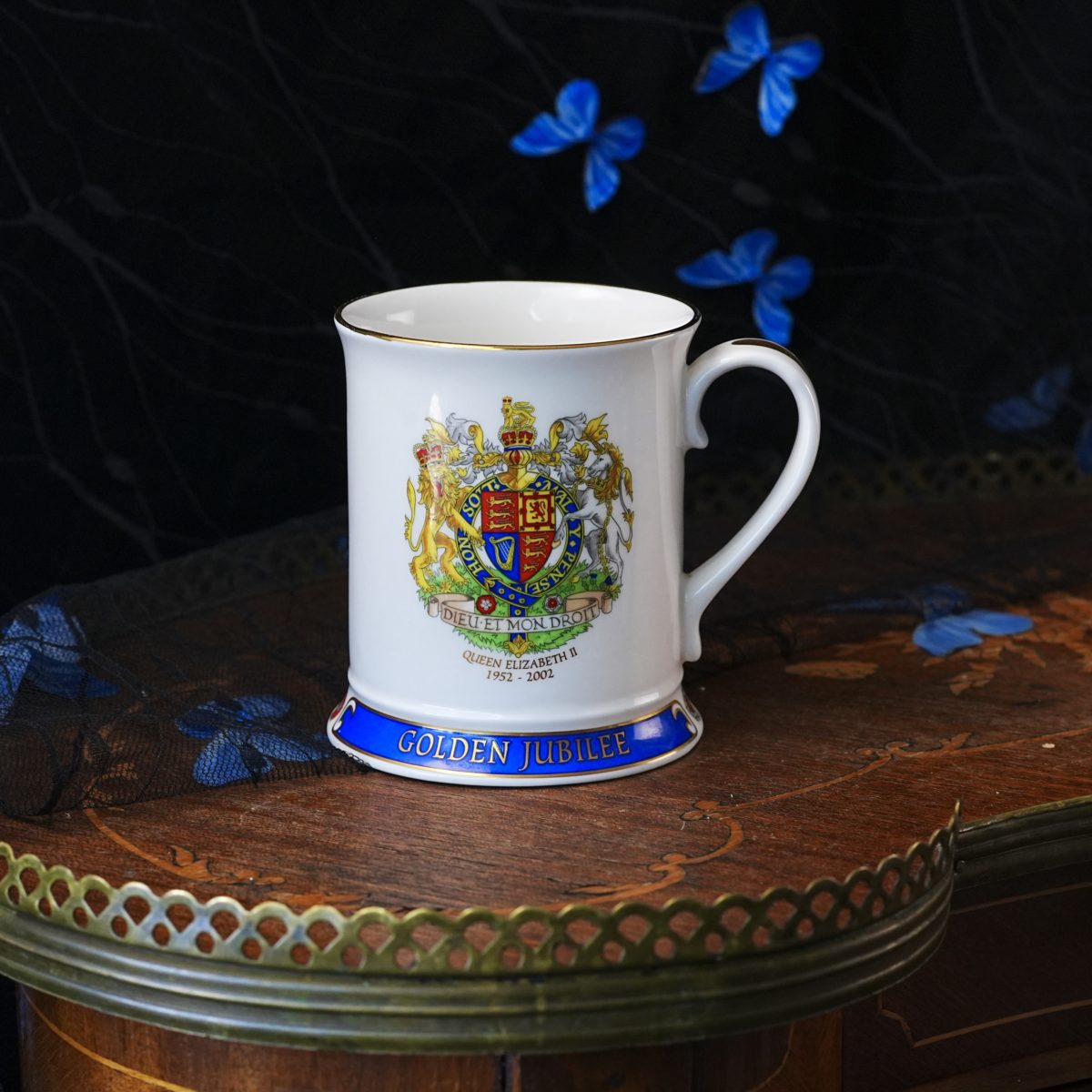 Ringtons Golden Jubilee Tankard Mug Queen Elizabeth II
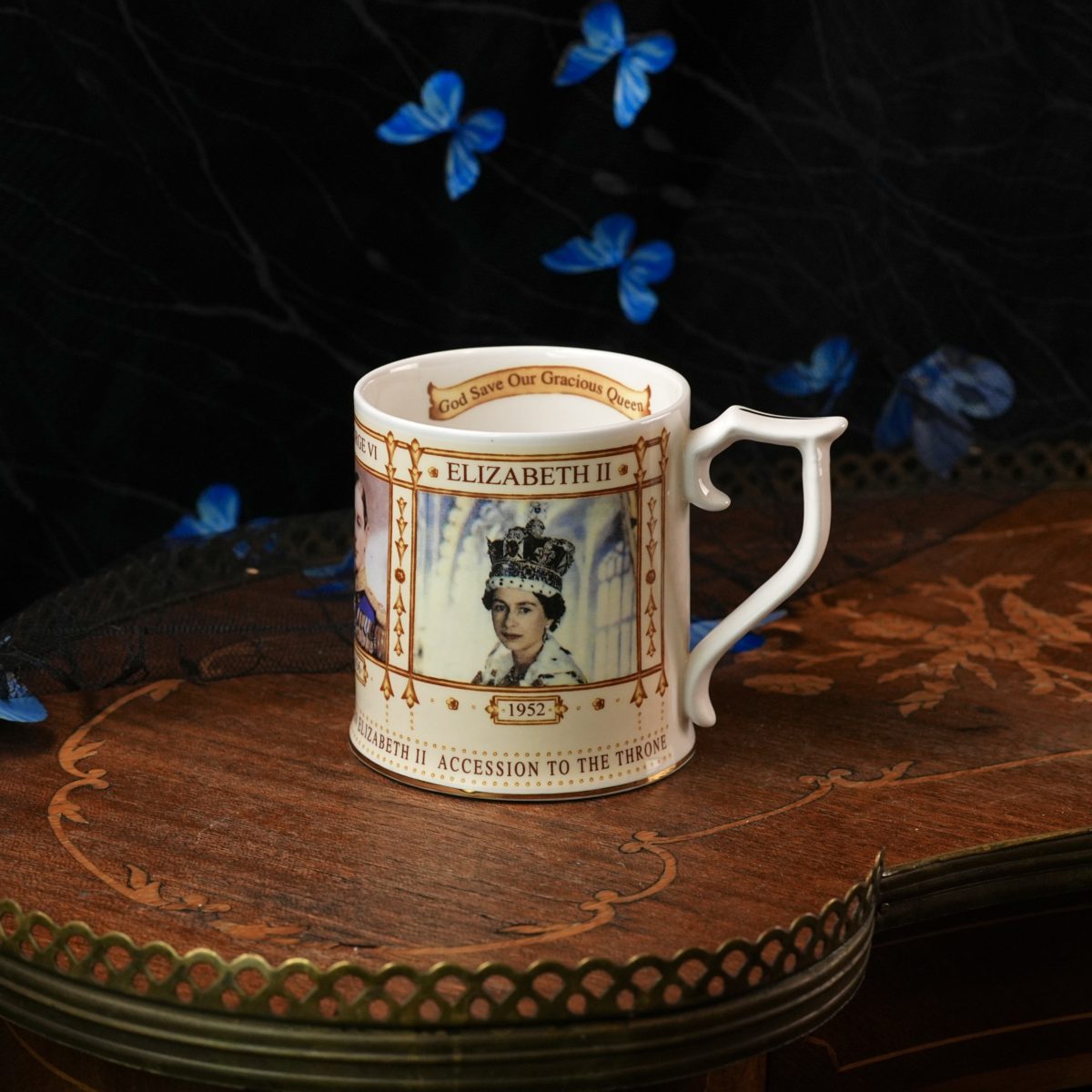 Sutherland Accession Mug Queen Elizabeth II
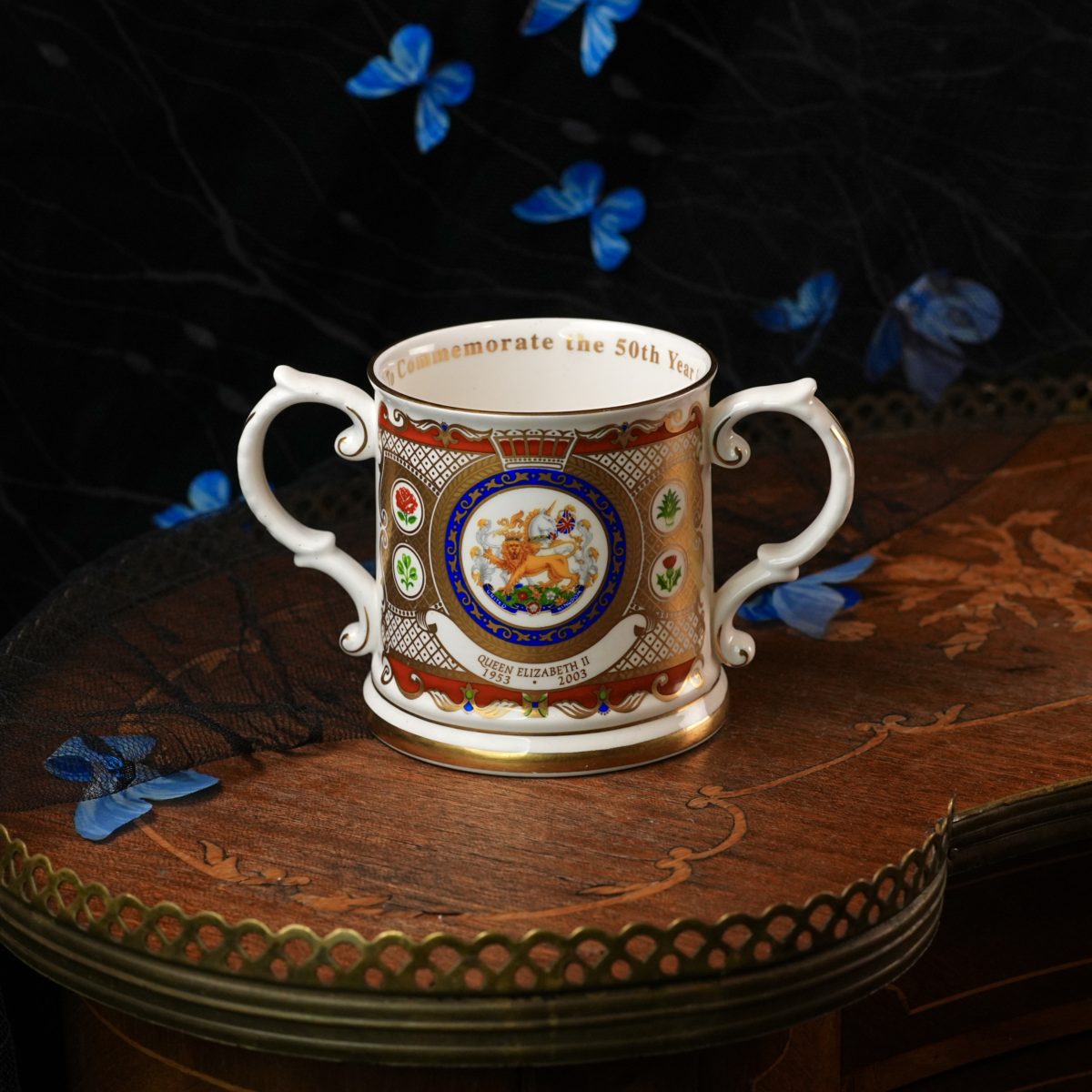 Eximious Queen Elizabeth II Loving Cup
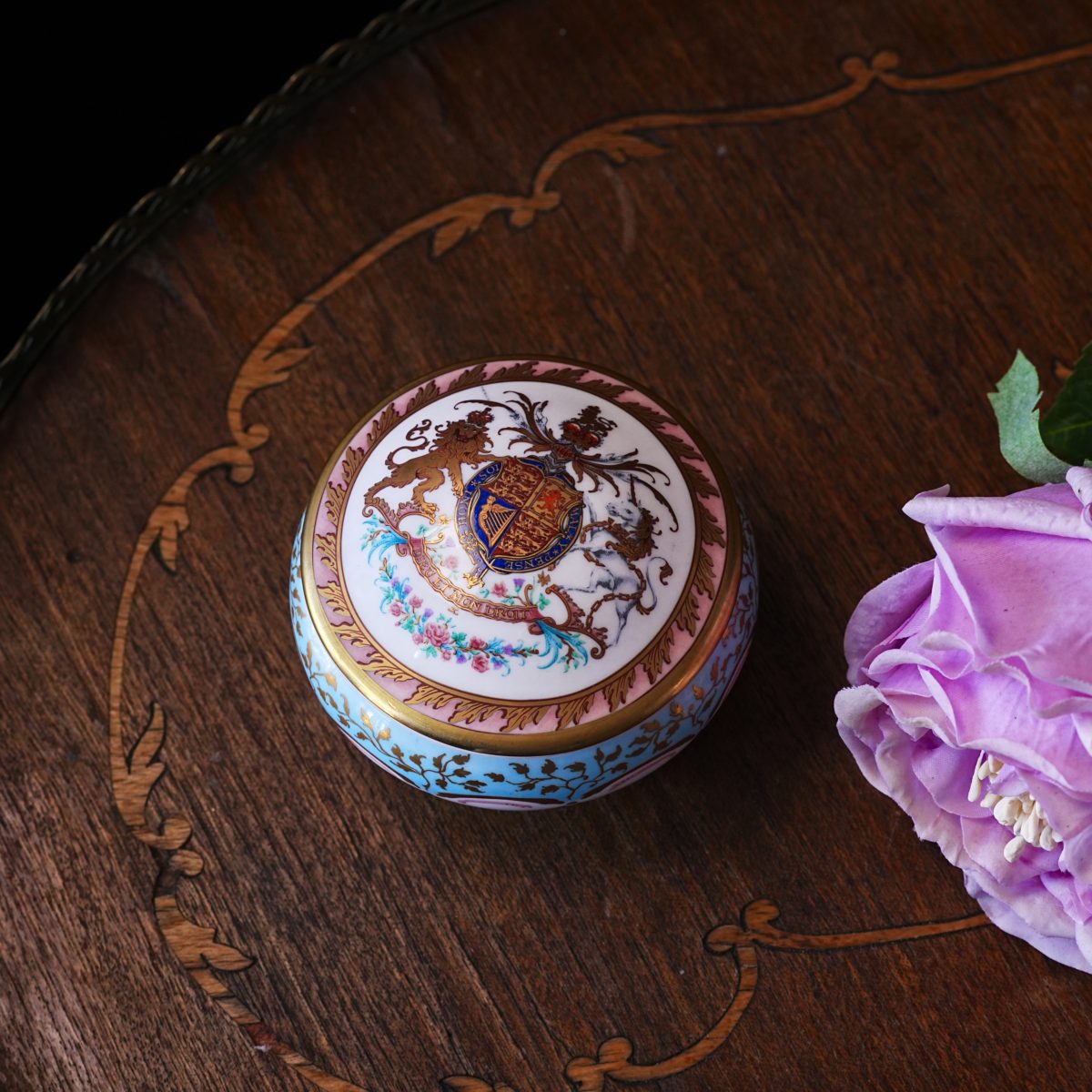 Royal Collection Queen Elizabeth II 80th Birthday Trinket Box
Royal by association
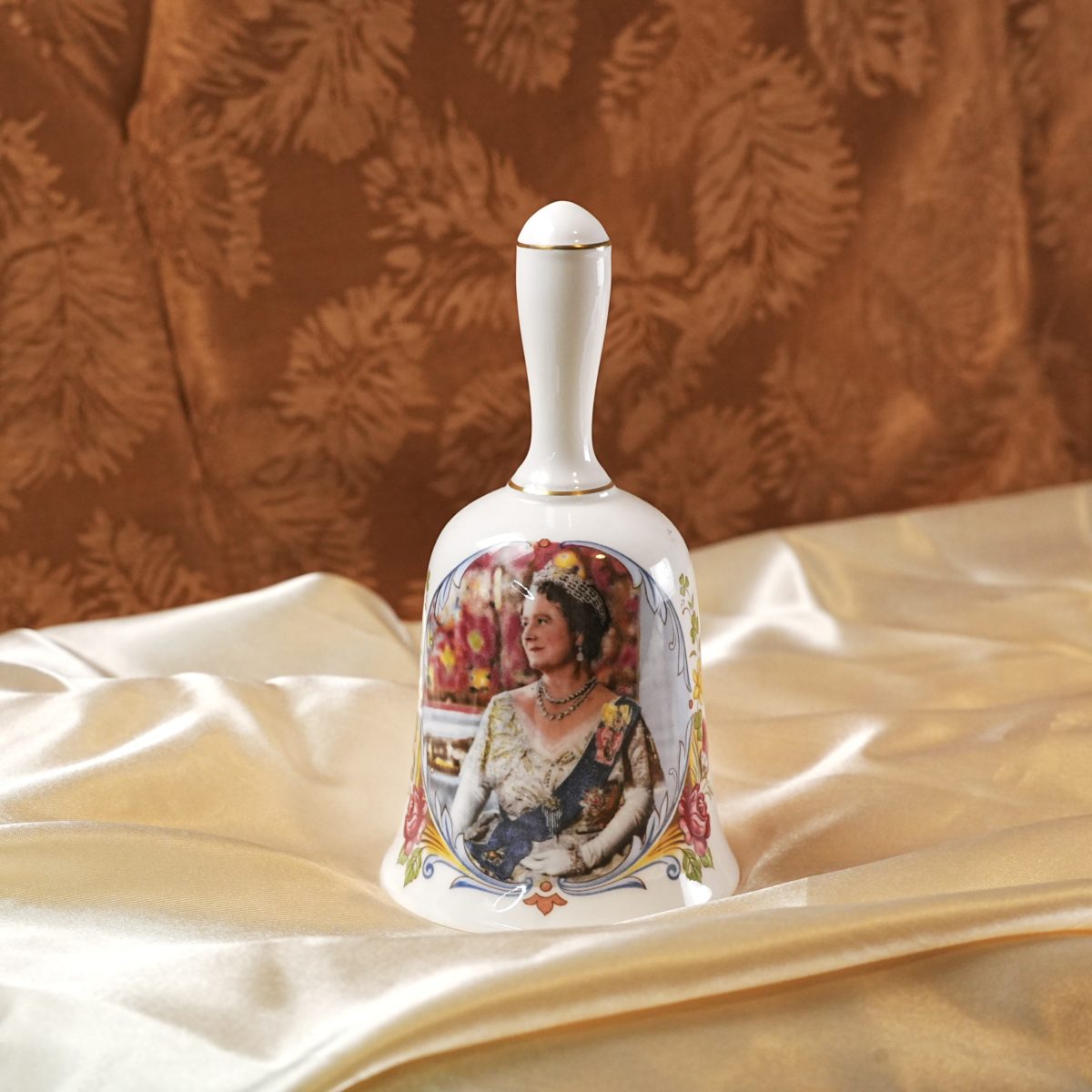
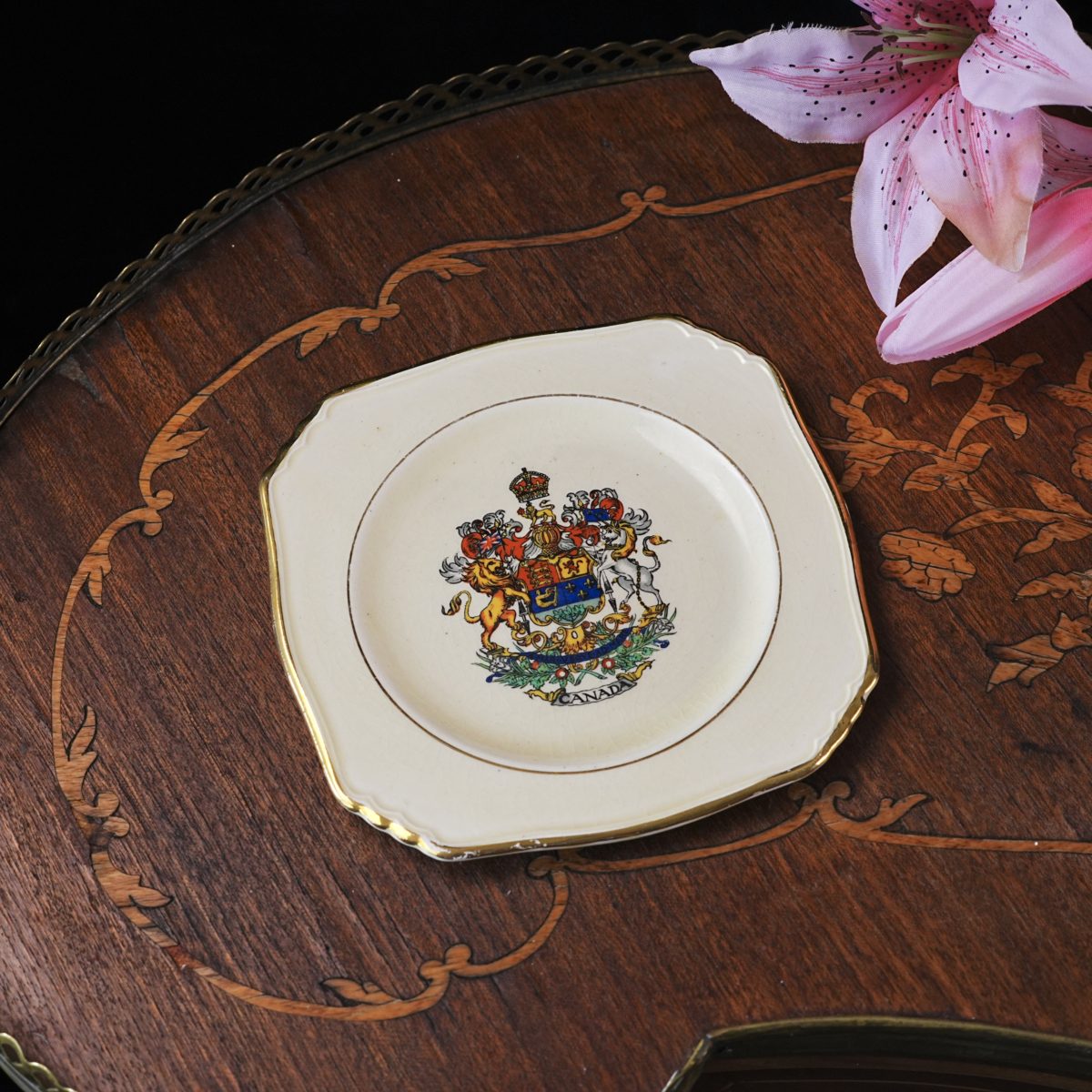
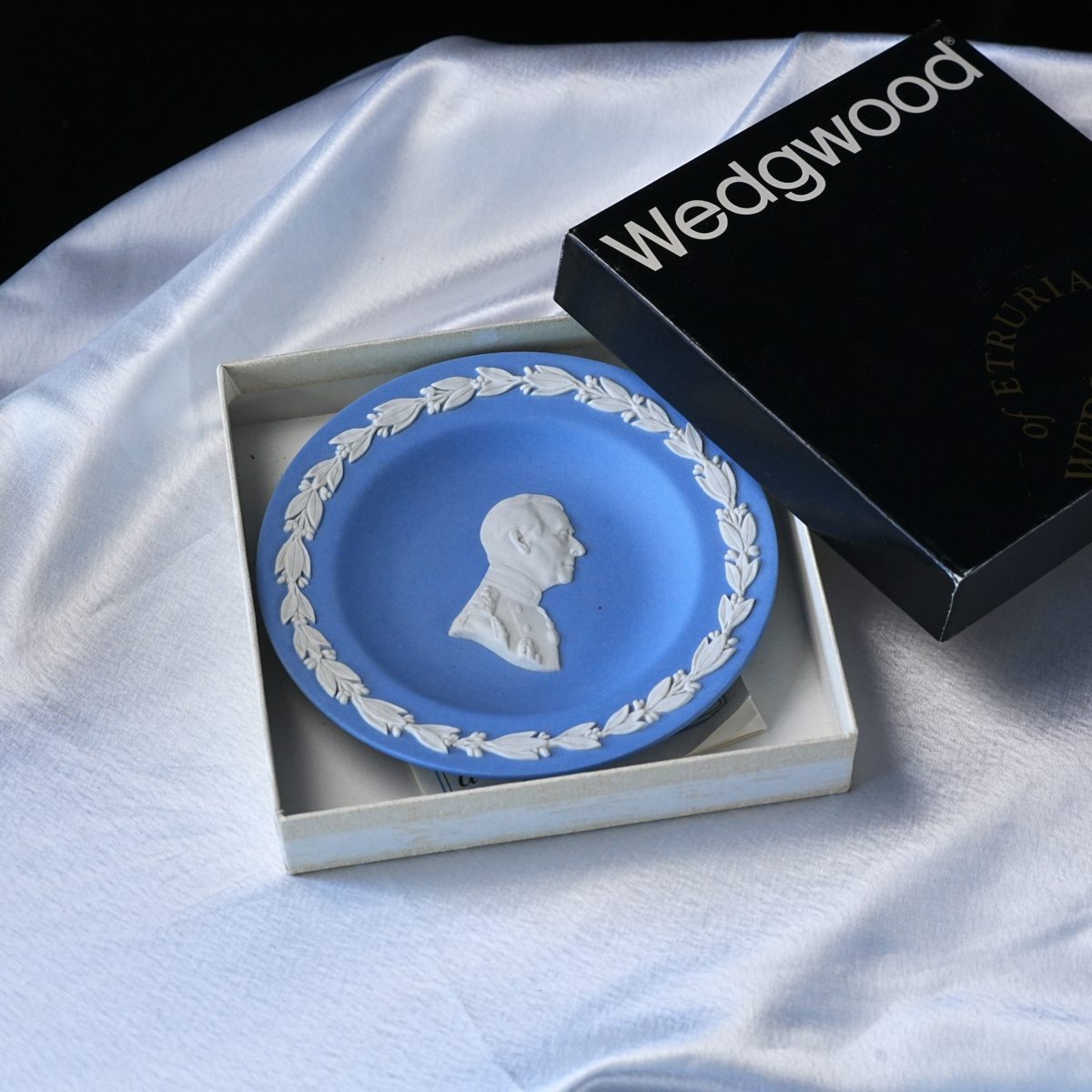
Some pieces salute the crown without naming a year — arms-of-Canada plates, portrait jasper, a Queen Mother bell. They belong to the same shelf, dated by their marks rather than their dedications.
The royal shelf changes as pieces come and go — the timeline stays.
Browse Royal Commemoratives This section on EtsyDates of jubilees, coronations, the 1936 abdication, and royal visits are matters of public record; attributions and readings of individual pieces follow their own marks and dedications.